
Interview skills

Interviewing is not easy. You have to practice and practice and practice. And in some respects, it’s like trying to get to Carnegie Hall.

You wanna start by doing all the research you can about the company. Go to their websites to see what people are saying good and bad about them. Not that you’ll tell them that during the interview, but it gives you some ideas.

Know the company’s mission statement. Know their goals and what they call things. Try to use their words when you speak to them. In the interview, you are working hard to look like the person they want in their corner.

You want to make sure that you dress professionally. Usually, dress one step better than standard company attire.

Do not wear a suit if you’re a contractor going out for a job, building houses, etc. Dressed in good work clothes better in good repair with good work boots. During the interview, don’t fidget or rock in a chair.

Keeping eye contact and looking people eye to eye is good. It shows that you’ve done your homework and are interested in the company. Have some relevant questions based on what you’ve read about the company.

Ask if there are any particular times for a follow-up check to see if the job has been filled. Finally, after you have left, write thank you cards. Do it by hand. Make them neat and personal, and you can always leave them with the front desk person to distribute them for you.


Finding Professional Networks

Many think professional networks are set up for top-tier CEOs, doctors, and lawyers. There are professional networks for just about anything you can think of. You just have to go out to the Internet and find them.

You can look for online communities related to your field on the Internet, LinkedIn, Facebook, and many other platforms. These communities are great places to learn and take a course or two. You may even find professionals from your locale that you can talk to and discuss what kind of employment you could find.

Just remember not to put them on the spot by asking them directly to hire you. That often will kill the conversation. Do have a resume handy but only send it if they ask first.

You will need job-specific skills

When you apply for a job, your employers will be looking for a specific set of skills. The nice thing is that many jobs use the same skills even though the jobs themselves may often be different. You need to look specifically at what the customer is requesting. Then, look at the jobs you have held in the past and understand which things you may have done before and which items you have not.

Every company has its particular way of doing things. They will probably train you on what they want you to do on the job. They do not expect, however, to have to train somebody from the ground-up level if they have already asked for somebody with particular skills.

If you aren’t sure precisely what skills those Include, you can go to www.onetonline.org and look up your old jobs and your perspective job to see what items they have in common. The site is free. It was developed by the Department Of Labor and is very helpful when finding a job.

You never want to tell a falsehood on the application or the resume. This site will allow you to look at all jobs to know what’s similar and different.

References

one of the things that most employers want to see is three to five references. A reference to somebody who has worked with you before and knows you. These people will be asked to series of questions by the company over the phone. Usually, 2 learn a little bit more about yourself.

Your references are essential. You want to make sure when you put somebody’s name and number on the application what they’re going to say about you and even the fact that they will talk to the people from your new company. What they say will be taken by the company even more than what you have told the company.

You do not want a reference to be caught off guard by not knowing that they were a reference so you need to talk to the contact upfront and make sure that they’re OK with you using them. Have an excellent feeling about what they’re going to say and how they will portray you pre tray you to whoever’s on the phone.

Ask them to call you if they were caught by the company, and thank them because they have just done you a reasonably solid thing.

You Will Need To Have A Cover Letter

Making a cover letter is pretty straightforward. You want it to be short and sweet. In the first paragraph, state That you’re looking for the type of job they are offering and why.

In the second paragraph, state what skills you have that will help you do this job well and maybe an award you might have won while doing something similar.

In the third paragraph, tell them why you feel working for them would be mutually beneficial.

Do not use more than one page for your cover letter. The paragraphs should be anywhere between three and four lines. The middle paragraph could be 5 to 6 lines.

Some companies will not read your package if you do not have a cover letter, and others will ignore the cover letter. The problem is that you don’t know which companies are which. Take the time to write an excellent cover letter. Make it personal between you and the company.

What do you need to get a job

The most important thing you need to get a job is to get away from the television and out of the house. If you’re unsure what I’m telling you, let’s experiment.

I want you to go and sit down in your living room for about 10 minutes, looking all around you, and see if there’s anybody there who wants to hire you. Then I want you to think of all the times you sat in your living room and how many times you found someone there who wanted to hire you.

Let’s face it: the chances of having people come to your living room or knock on your door to hire you are slim. On the other hand, if you go out to where the hiring people are, talk to them, and fill out resumes and job applications, your chances of being hired are greatly improved.

Back on the 5th of January, we talked about elevator pitches. Go out and find out who’s hiring and if you can’t at least talk to people, use your elevator pitches, and give them one of your I’m looking for job business cards. And I am making several courses about them also.

Above all, have faith and believe in the one person who could use a job. Could that person be you?

Follow the instructions

You are probably wondering how this made a list. It is crucial if an employer tells you to do something a certain way, do it.

When I was helping people build their resumes and complete their applications at the Workforce Center, I had several people who thought it was OK to just do what they wanted and not follow the directions given to them by the employer.

This often happens with civil service and other job applications. They want to know whether you’ll do what they ask, whether it makes sense or not. Or will you ignore them and do things your way? This is also a point to once again bring up the deadlines. If you miss a deadline on a civil service application, you will not be considered.

I have tried explaining this to people just to hear them tell me that they know better, that they will do it their own way, and that they will send it in whether it’s going to be late or not. I can tell you that people with these attitudes do not hear back from the companies they turn things into.

If you want to work for someone, whether civil service or the 711 down the street, start by doing what they ask you to do.

Professionalism

When you present yourself to a company you want to work for, you want to look professional. And, whenever you are somewhere in the community where one of their employees may see you, you also want to look professional and well-maintained. It is essential that those who will make decisions about your joining the company do not have a negative feeling about how you will represent them.

Does this mean you have to walk around daily in a three-piece suit, make sure your Halo is polished before you leave the house, and always have your hands folded together as you walk? Of course not. It means to make sure you’re wearing clothes in good repair, not acting the fool or goofing off, And you have a happy or contented aura about you.

These may be little things that may or may not be seen. Actions like this ensure you are not taken out of context or someone at an interview does not have a lousy remembrance of you that is not your usual self. Every good impression you leave is one more good thought in your corner.

I have seen people chosen or passed over for less.

Ensure You Have Provided All Required Information And Documents

When you apply for a job, you want to ensure that you provide everything the employers have asked for. I know this sounds straightforward, but it is simple to forget and not send something important.

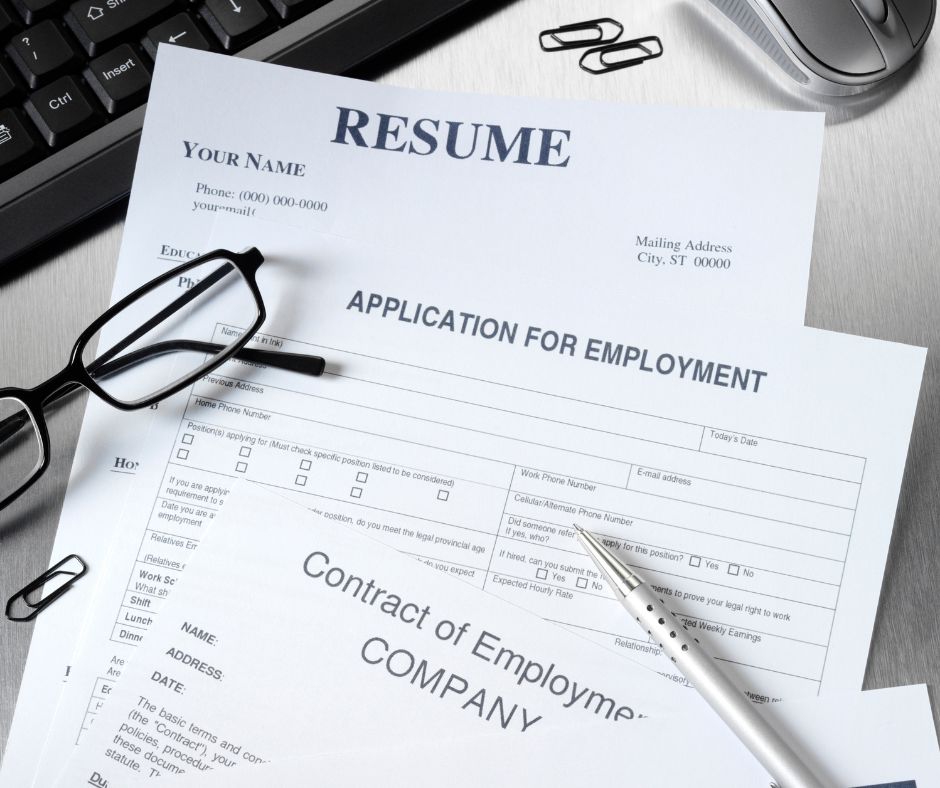
As a standard rule, an application package will contain

  • The Application – Make sure it is completely filled out and legible.
  • A letter of introduction,
  • Your resume for that company
  • If requested, a list of 3-5 people they can contact for information on you.
  • Any other items they may have asked for.

Make sure you list everything you send so you do not accidentally forget something.

Getting everything to the employer on time and not missing the deadlines is vital to getting the job. Employers do not like to give extensions to job applicants, and most will not.

Tailor Your Application to the Specific Job or Company You Want

During our work lives, we learn to do many things. When we apply for a new job, We need to tailor our resumes to the specifics of the new job and the new company. Different companies will call the same type of work by other names. And each company will have its own set of values and principles that it works towards.

By utilizing each particular company’s vocabulary in your application and resume, you are narrowing the gap between you and that specific company. Being able to be seen in the light of the company’s words will help you be better recognized. Especially if a computer is screening the resume and applications initially because the terms the company uses are the ones their computer is looking To find.

I teach people to do this in the application and resume and during the interviews. Go over the company website and look at what they’re interested in and what they call things before that interview, and use those words during the interview. You could leave the interview room with an interviewer looking at another and asking ‘when did they work for us.’

When companies often have 200 or more applications, it is nice to be seen coming in as part of the team.