

Tag: personal-growth
Gratitude in the Workplace: Boosting Morale and Productivity

Gratitude in the workplace is an incredibly powerful tool that often goes underutilized. Recognizing and appreciating the efforts of employees not only boosts morale but also significantly enhances productivity. When people feel valued, their engagement and commitment to their work naturally increase, fostering a positive and collaborative work environment.
Implementing a culture of gratitude can be as simple as saying “thank you” for a job well done, but it can also extend to more formal recognition programs and feedback systems. These gestures of appreciation reinforce a sense of belonging and purpose among team members, leading to increased job satisfaction and loyalty.
Gratitude encourages a positive mindset that can help reduce stress and improve overall well-being, contributing to a healthier workplace. By prioritizing gratitude, leaders can cultivate a culture where mutual respect and appreciation drive success, creating an environment where everyone is motivated to contribute their best.
The Power of Saying Thank You: A Guide to Expressing Gratitude

Today, we find ourselves busier than ever. Yet, we still need to respect the power of two simple words—”Thank You.” These words often go unnoticed. Yet, they hold the key to unlocking many positive outcomes, both for the giver and the receiver. Expressing gratitude is not just an act of politeness; it’s a profound communication tool that can enhance relationships, foster goodwill, and even boost one’s own mental health.
When we express gratitude, we’re not just acknowledging the efforts and kindness of others; we’re making them feel valued and appreciated. This act of recognition has a ripple effect, strengthening bonds, inspiring further acts of kindness, and fostering a positive environment, be it at home, work, or in social settings. Cultivating gratitude by recognizing the good in our lives shifts our perspective, leading to increased happiness and resilience.
Embracing the power of gratitude doesn’t require grand gestures. Small and genuine expressions of thanks can have a large impact. So, let’s not underestimate the power of saying “Thank You” – a simple yet profound way to express gratitude and enrich our connections with others.
Embracing Change for Personal Growth and Happiness
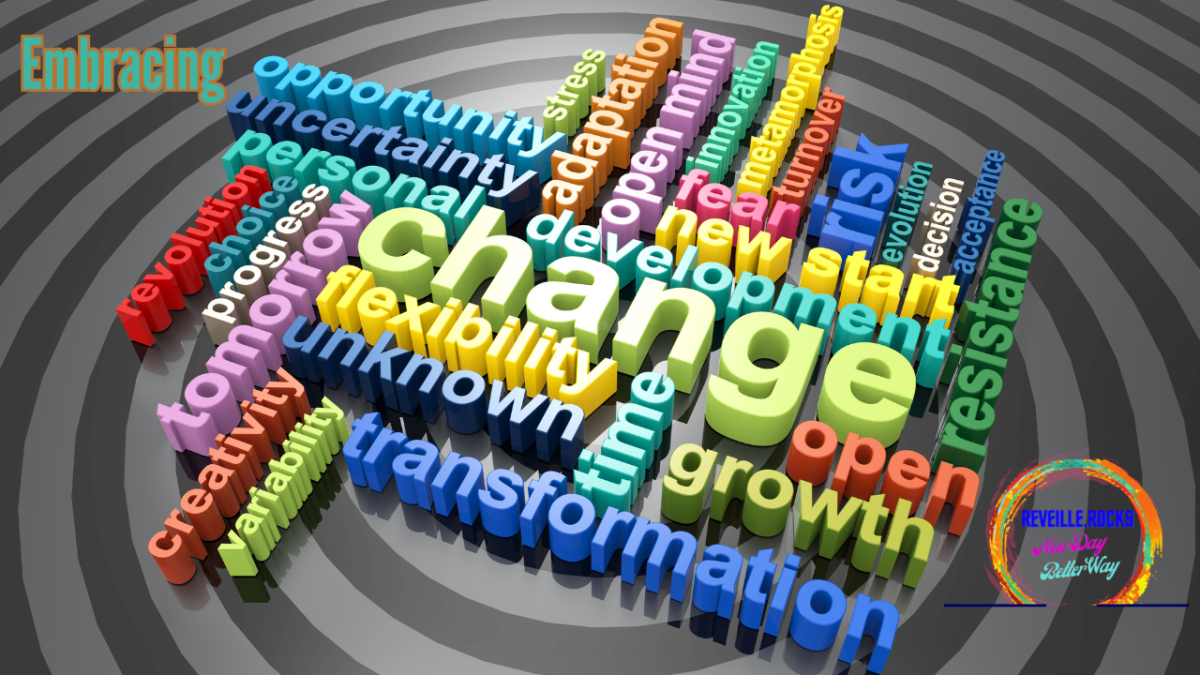
Embracing change is often a challenging yet rewarding journey. It can add a depth of personal growth and happiness. Change is inevitable in life, and learning to adapt and grow from it can be a powerful tool for self-improvement. By embracing change, we open ourselves up to new opportunities, experiences, and perspectives that can enrich our lives as we may have never imagined.
A key aspect of embracing change is maintaining a positive thought pattern. Instead of fearing the unknown, see change as a chance for growth and transformation. Embrace the discomfort that comes with change, as it often signifies that you are out of your comfort zone and into new possibilities. Remember that change is a natural part of life, and by accepting it, you can cultivate inner strength.
Ultimately, embracing change for personal growth and happiness is about trusting yourself and your ability to navigate life’s twists and turns. Embrace challenges that come your way, learn from them, and you may be amazed as you emerge stronger, wiser, and more fulfilled on the other side.
Next time change knocks on your door, greet it with open arms and an open heart, knowing that it may just be the key to unlocking your true potential.
Reflecting on the past year’s accomplishments and challenges

As the end of the year approaches, it’s natural to reflect and take stock of what we’ve accomplished and experienced. Looking back on the year can help us appreciate how far we’ve come, identify areas where we can improve, and set goals for the future.
One of the most important things to do when reflecting on the past year is to celebrate your accomplishments. What did you achieve this year? You could finally have landed your dream job, completed a significant project, or learned a new skill. Whatever it is, take a moment to acknowledge and celebrate your success. Doing so can build your confidence and motivate you to continue pursuing your goals in the future.
However, it’s also important to recognize the challenges and difficulties we faced this year. Perhaps you experienced personal or professional setbacks, dealt with health issues, or struggled to balance work and life. Reflecting on these challenges helps to identify areas where we want to grow and develop and helps us appreciate the strength and resilience we demonstrate in the face of adversity.
As you reflect on the past year, consider what you learned from your experiences. What did you discover about yourself, your strengths and weaknesses, and your goals and aspirations? This self-reflection can help you set new goals and resolutions for the coming year and can also help you appreciate the progress you’ve made so far.
In conclusion, reflecting on the past year’s accomplishments and challenges can be valuable in personal growth and development. By celebrating our successes, acknowledging our challenges, and learning from our experiences, we can set ourselves up for continued growth and success.
 processimprovement.me