
How to Help Others

Yesterday I blogged about timeliness and how that helps us to take care of our clients. The question for today is how to get clients. And although the answer is easy, the work that goes into it can be sometimes arduous.

The easy answer is that you need to be there for people. And as you are there consistently, you will find that the people you help become your clients. The people you help probably know other people who need your assistance and those people also become your clients. So that leaves us with our first law of finding clients. Be there for people and help them, as you are able.

Remember that help comes in many forms. Just having a conversation with someone and letting them know you understand is a big help. If they need something specific that you do not know about, maybe you have a friend who could help them. Sometimes the most valuable people are not the ones with the deepest pockets or extensive knowledge. Sometimes the most valuable people are the ones who consistently get out around others and know how to connect people with needs to those who can accomplish things.

My father-in-law was great at this. He would meet people and talk with them. He would invite them over for drinks or a barbecue. He had the 40-yard line season tickets for the Dallas Cowboys. And if he needed or would like to have something, he usually knew where the excellent bargains were, and when to buy. He was a great person who I wish I could better model myself on.

The one thing I can guarantee you does not work well in finding clients is to build something that you feel people need. After creating your item to sell to others, sitting in your basement along and waiting for somebody to buy it never works. And there is an excellent reason for this.

First off, if you build something with the idea of ‘If you build it, they will come,’ they will not. You need to talk to people, find out what the real need is, and then plan how you can solve it for others. Secondly, and far more disastrous, you may build something that has no problem to solve, and therefore, there is no need for buying.

People need to have a problem which they genuinely want to solve, for you to sell a product to them. They also need to know that your products exist. We lived in a worldwide economy where our senses are constantly bombarded by people trying to sell us things. If you want to sell something, you need to figure out who needs to buy it and where you can best get in contact with them. I am saying you have to market. I am also suggesting the sane and responsible marketing of your product. If you want to be effective, do not look at marketing as selling a product. Look at marketing as helping a friend.

If you care to know more about any of my blogs, either to have me write more in-depth blogs on the subject or to send you more information, please contact me and let me know.

Thank you for being with me today. I hope to be with you again soon.

Timeliness

There is an old saying I heard back in my Air Force days, “To be early is to be on time.”  And, the sentiment is true.  If you want to show people that you care, show up just a little early.  It shows the people you are meeting with that you care about and honor the time that they are giving you to work with them.  This courtesy that you extend others is not overlooked and is remembered by those who receive it.

Being late to an appointment or to deliver a product, whether it is the premier item you develop or a free daily blog, is also remembered. Although, not in a positive way. No matter how you work with, and what you do for the customer, there is always one trait that they always look to have. Consistency.

The best consistency you can have is the consistency of keeping clients informed. If you know you won’t be writing a blog for three days because you’re going to be out of town, let your readers know that you won’t be publishing for those three days. You do not have to tell them why you just need to let them know how the results affect them.

We all realize that we live in a world that is sometimes a little unpredictable. We are also all creatures of habit. If there is something that is going to prevent you from doing something you were supposed to do for someone in a timely fashion that you’ve either agreed to do or usually provide, the best advice is to let them know beforehand. And, if there is a small token of appreciation you can add, that is always remembered and goes far towards keeping a valued customer.

I have heard a story about a salesman who sold a suit to someone going out of town on business. The suit did not come back from the alterations department in time. The salesman promised to ship the suit to the hotel where the salesman was staying and have it there before the date the salesman needed it. Not only did the suit arrive at the hotel before the meeting, but the salesman had also picked up two ties which worked well with the suit and sent them along, as a thank you. The customer was delighted and assured many of his friends heard about these good deeds.

There may be over 7 billion people in the world, yet finding customers that appreciate you and are buying precisely what you’re selling is much rarer. We need to honor and recognize the customers we have. And I need to tell you now that I genuinely thank you and all those who read my blog. We need to honor and do the best we can for one another.

Thank you for meeting with me today. I hope to be with you again tomorrow.

Showing Worth

People are a little strange sometimes. You can build something easy to use, foolproof and unbreakable, and even free. If people believe that what you created is not addressing their main concerns, they will not use your new Marvel. Even worse if you gave it to them for free, they would believe that it’s worthless, and just ignore it.  This is a universal truth among humans.  Please let me give an example.

There are areas of the world where people get lung diseases by living in a grass hut. The small stoves people cooked on put off toxic soot because of the fuel they used, something akin to black lung disease. I heard a talk once from a person who designed a new stove that would burn bamboo which can be grown anywhere, would burn clean, and solve the toxic soot problem.

The speaker had backers that paid for the stoves so that he could give them away for free. He went to Eastern Africa to give out the stoves and help people with problems. And no one would take or even try them. He came back to the states confused and dejected.

He talked with his backers, and they explained about something free being looked at as worthless. He went back to Africa and charged $15 a stove. He sold out all the stoves he had and had to have more manufactured to meet all the requests. Once people understood the worth, everyone wanted one for their hut.

The same is true for anything new on the market.  To go anywhere, there needs to be an understanding of the products worth.  If the product is free to everyone, then no real worth is assigned.  The general feeling becomes the product is only worth looking at when the user gets around to it, and that usually never happens.

To assign worth to a product we have just built, we need to get a few noteworthy people to try it out and comment on the positive aspects of the product.  The kind words will go so far, and you will need other incentives to go from there.  Those incentives could be anything from a half-price black-Friday sale, to a two for one or family special.  If possible, you could donate a unit or two of the product for a drawing or a contest.  Do whatever you can to build a positive buzz around your product.  And be sure to look for targets of opportunity to get your product in front of people.

Pay close attention to what users of the product tell you, and always be looking for a way to improve the product.  Remember, nothing is ever perfect.

Thank you for being with me today.  I Hope to be with you again tomorrow.

Helping Others Succeed

One thing I see entrepreneurs are doing is striving to help others succeed. I’ve noticed this from people who work in software, airlines, work to put people into space, build clean-burning stoves for impoverished areas of the world, and in many other endeavors. These people have done very well in each of their own careers, and they never forget nor stop looking for ways that they can help others. They know that helping even the most destitute and most humble people around the world helps us all.

When someone who does well turns and helps others to take a step up the ladder, all of humanity is positively affected. I remember reading that we can climb the ladder of success to a certain height, depending on the lowest rung that a person stands on. For us to go higher, everyone must move up the ladder.

It seems like when somebody hoards their fortune, they seal their own fate. For they have walled themselves off from the rest of humanity. The money earned ends up doing no one any benefit, not even the person who made it. The walled-up money just turns the owners to paranoia and fear of others. There is no benefit for anyone involved.

We really don’t do well by only helping ourselves. We do well by helping those around us. Those who need something and are unable to figure out or do for themselves. Those who would work hard and do well if the proper tools, knowledge, and encouragement were available. This work is done not by those looking for a handout, it is the work that is done by those who are given a hand up.  A handout keeps everything and everyone in the place where they are. A hand-up allows us all to grow.

Here are three ways you can help. When you’re on the street, and you see somebody who looks like they’re just having a terrible day, just smile and give them a nod as you pass them and maybe say something kind, even as it’s just good day. Maybe when someone is down, you provide them with a couple words of encouragement. And maybe, on occasion, you step into a local mission either to help out on the soup line or just talk with the people there. The neat thing about a helping hand is that it may take little time and no money.

What is one of the most essential items that missions tend to need? Your used plastic grocery bags. Those in need turn the bags into solutions for a multitude of uses.  If you are just throwing them away, check with a local charity helping the homeless to see if they could use the bags.

Helping others succeed and get on their feet is something we can all do.  We do not have to be rich, or really well off.  And, we do not want to just give a handout.  Yet, if we take a look at the real needs, we can usually do something that will provide a real hand up.

Thank you for being with me today.  I hope to be with you again tomorrow.

Just for You

Have you ever noticed how people will offer or sell you something that has been made ‘Just for you?’ You could have a car ‘just for you.’ You can have a house ‘just for you.’ Anything you think of someone will have an off-the-shelf item that they will sell, and it was designed ‘just for you.’

It’s noteworthy that people will build something just for you. Yet I am a little bit of a skeptic. Do they know you? Did they call up and talk to you? Did you tell them what your real desires are? How do they know that whatever it is they’re selling is just what you want?  Fair questions.

I do not mean to malign people who say this. I just want to know how they do it. Most companies start off with focus groups, usually set up by their marketing folks. They find out what the majority of people would like, and they start their engineering and design based on what those focus groups have told them.

As the design goes forward, and concepts are designed, based on what the focus groups told the marketers, the financial folks step in. Did you ever notice that the cars at the dealerships never quite look like the concept vehicles shown at the car shows? The answer to that is not hard to figure. Consider the cost of the concept car and the cost of the car at the dealership. Now, which one are people really going to purchase? That’s because the financial folks know that corners need to be cut to make the item for sale affordable to those they want to sell it to.

Does this mean that you cannot really get what you want at an affordable price? No, because you can. You need to buy from someone willing to listen to your needs and desires. And the person who listens to you needs to be prepared to add new ideas and abilities to their creation. And, they need to know that every time they design or build something new or different, it adds a service or value to their product. The manufacturer can use the added item in other situations if desired by others.

Those who are willing to build to the needs and desires of the individual need to look towards fulfilling the needs of those with a wish. That means their business is built on understanding and interaction with others. In a business like this, you have to be willing to start slow and work at helping others, laying a firm foundation to grow on. You will not start out selling a thousand of whatever you build a day, yet did you really have 1,000 customers wanting to buy right now to start with?

Actually, if you’re willing to listen and ready to build, you can probably give people what they desire and grow a thriving business. Don’t take my word for it, ask Rolls-Royce.

Thank you for being with me today. I hope to be with you again soon.

Team Is A Four-Letter Word

In this day and age, we learn to be polite. We should be kind to others. And we need to Be careful not to offend. I believe in being kind and understanding of everyone. We Are taught to be cautious in using four-letter words. Yet today I would like to speak up on the pros of those 4 letter words.

Help is a four-letter word.  I believe I am not letting any secrets out of the bag when I tell you I am a guy.  A ‘male’ if you will. And, as a male, I can tell you that guys don’t ask for help unless they have tried absolutely everything else. On occasion, you may see one of us reach for the instruction pamphlet, yet that would only happen through frustration and delirium. We believe, as a male, that we were born knowing what to do, where to go, how to get there, and everything else that we are needed to do. We think we don’t need a four-letter word like ‘help.’

Lucky for us males, there is another four-letter word. Lady. A lady reads the instructions, follows a recipe, looks up the route to be taken, either on a map or MapQuest. The lady, unlike the male, takes the time to read and understand.

It sounds as though the male and the lady are very different and totally incompatible. Yet, when they work together, they form a fantastic four-letter word. Team. And when a ‘team’ works together, it can be unstoppable.

A team can back each other up. Each member of the team brings knowledge, ability to research, collaboration, and multiplies each of our senses, providing an ability to help focus on what is needed at the moment. There is strength in the team that is not present in the individual. And, a team can better stand the floods of negativism as they work together.

So far, we have help, male, lady, and team. Four great four-letter words. There are many other four-letter words that we need to consider. Each word carries a thought that guides us to something we need. Four-letter words number in the thousands and I cannot tell you all of them on this blog. I can give you a few, though. Some of the best four-letter words might be words like care, love, feel, like, able, best, calm and fair, just to name a few.

Please let me know what your favorite four letter word is. I would be glad to share everybody’s four-letter word on the blog.

Thank you for being with me today. I hope to be with you again soon.

Can I Help You

I wish I could do more for more people. The truth of the matter is I can’t do anything for anyone, they have to do it for themselves. I can work with people and guide them. I can ask the tough questions that only those seeking for themselves can answer. And, I can hold them as accountable as they wish to be.

I can, though, and am willing to jump in the hole someone may have figuratively fallen into. Others may feel that I’m crazy jumping into a hole when someone else cannot find their way out. Yet, I’m okay with it. I’ve been there before, and I know the way out.

What I can do is help people learn new tools and new abilities to help them as they move forward through life and explore the future. I would mention something about boldly going, however, between concerns over plagiarism and split infinitives I have decided to take a considerably safer route. I am here to help you with the specific concerns you are looking to fix and do better with.

I have books on Amazon right now teaching how to research and make a map to guide you to your future. This is important because I have many friends who worked hard, went to school, striving for something they truly wanted. When they got to their destination and started working, they realized that even though they had gain success, they did not enjoy the job and really did not want to be there. Some ended up not using their advanced degrees, taking trade jobs that they enjoyed and preferred to do.

There are many ways to research various professions and careers. The time you spend doing so is minor in comparison to getting a position you can’t stand and having to start again from scratch. There are even ways and some jobs where you can shadow somebody for a day and learn what the real work is all about.

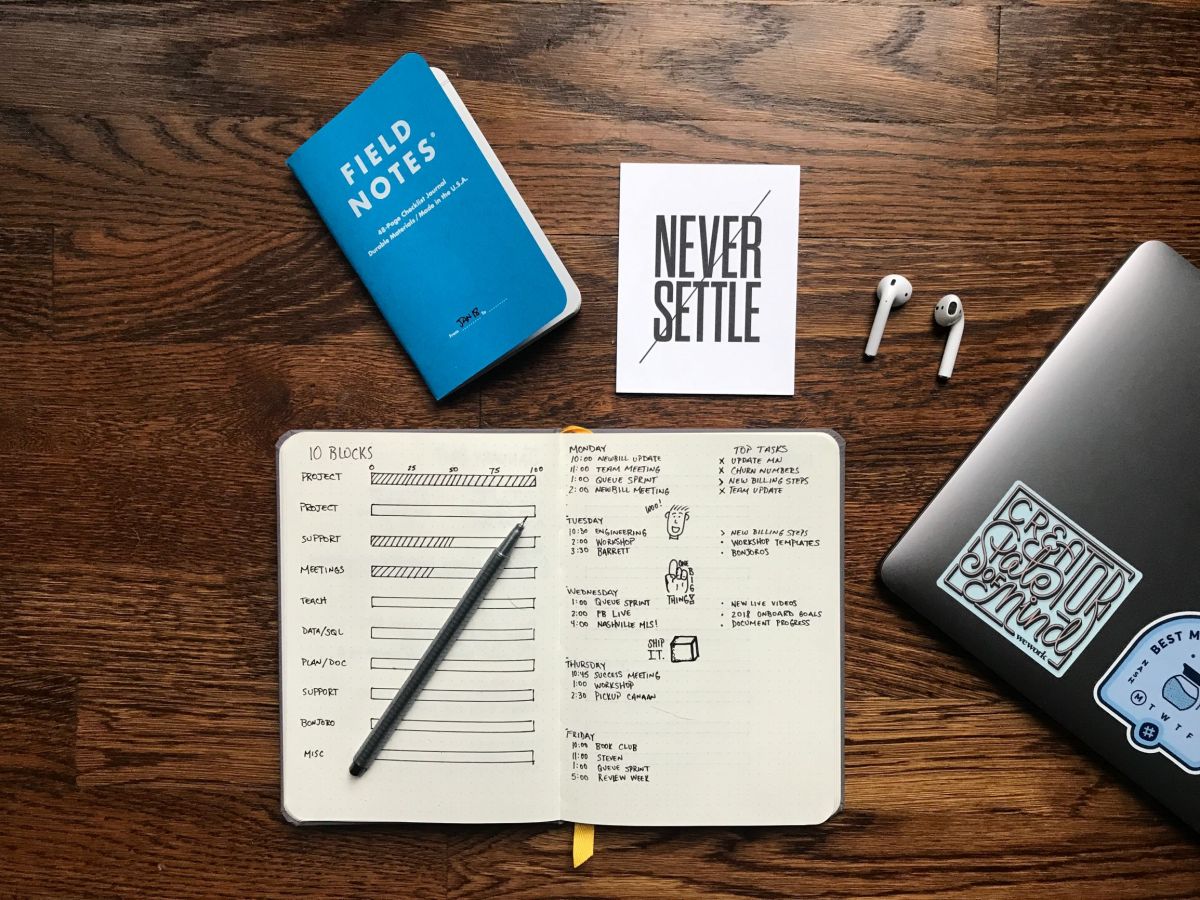
Within the month, I should have my new planner system out. It comes with training, and each planner is designed and assembled to the specific needs of the individual using the planner. We do this by working with you in understanding what you need and either loading pages you need into your planner or designing the planning and data pages you need from scratch. Your planner comes with either a book on how to use it or course to train you about the planner step by step.

I don’t want to say much more at the moment. If you’re interested in the planner designed specifically for you, please let me know. I am also looking for six volunteers who will use the system and give me feedback on what works well and what I can work to improve. If you’re interested in receiving a planner and training, please let me know. I can’t promise everyone who volunteers will be picked as one of the six. I promise that everyone who volunteers will be seriously considered.

Think about it.

Thank you for being with me today. I hope to be with you again tomorrow.

Get Your Toys and Go Home

International trade is good between countries. As long as the countries have an equal give-and-take, and each lives up to their part of the bargain, foreign trade helps to stabilize economies and stave off hostilities. When both countries are making economic gains based on their trade relations, who would want to rock the boat by sanctions or worse, conflict?

The mere fact of international trade helps to spur an economy with a lower unemployment rate. And, those who trade together may find benefit in other areas. They might work together towards regional or global peace, better financial solvency, world health, and other issues essential to the well-being of all.

Because all countries have their own frailties, just as all humans have their imperfections, sometimes there is a tug-of-war to see which countries can do better than others. This seems to be the time when feathers get ruffled, feelings get hurt, and tariffs rise. There are smarter ways to do this.

A dispute between countries is probably best handled as wise parents stop a spat between two seven-year-old friends. Smart parents tell the young friends to take their toys and go home. The parents know they will be back tomorrow and friends once more.

I know there is more to it than just taking the toys and going home. And, I do not mean to oversimplify international trade. Yet, if we’re to the point of name-calling and finger-pointing and tariffs and threats, why don’t we take our toys and go home. We have proven that we can build anything in our country that can be made in another. Many of the things constructed overseas started off being built in a home country, then outsourced. Building items at home allow the domestic workforce to thrive and grow and gives the people of a country confident feeling of being able to support themselves.

Of course, I imagine the loss of trade will have a downside or two. It may be feeling those downsides that make each country appreciate the other even more. There are pluses and minuses in everything that we do. We do not have to take a loss. Just think of what it would mean for a world of countries to prosper and grow by working together.

Just the thought of one mean old Master Sergeant

Thank you for being with me

What We Do for Others

We do not live in a vacuum, at least not on this earth. And, what we do, either good or bad, puts out ripples which affect others. These others could be friends or family, people you’ve never met before, and sometimes, people who live in other countries halfway around the world. And no, the world is not shrinking, we are growing and becoming more integrated and technically savvy as a species.

It used to be that travel just crossing the United States could take months. Now the trip from New York to California is mere hours. Highly dangerous boat rides to other continents could take months and be fraught with peril. We can now fly those distances in about 12 hours. The World itself hasn’t changed. Yet our technology and our civilization and abilities have changed.

So now the question set before us is one of how we should change to meet our new opportunities and challenges. And, believe it or not, no one gets a pass on our changes. Because everyone in the world will find positives and negatives within the changes to come, and everyone will be affected.

Now, this does not happen overnight, this was going on for over 5000 years. This started when people set out to explore. This began when people realized they weren’t the only people. This happened when people knew they could trade and began to sell their commodities to others for the products that those others produced. And say what you will, it was the trade that brought us to civilization. Civilization was caused by realizing there were others and learning to live with them. Our ancestors learned to do so, and though it was sometimes messy, and quite often one group wanted to dominate another, in the long run, wisdom prevailed, and we learned to get along.

We must remember our lessons of old because those who forget those lessons are doomed to repeat them. This is dangerous. Although our ability to connect electronically and physically with others has shortened by months and years around the world, we still need to have the time to think and consider. To think and consider logically and correctly, we need to understand that we are all in this world together, and whatever happens, the actions and the ramifications affect everyone.

We must think before we act. When we act, we must do so wisely. And we must always remember that whatever we do we are all on this planet together. Wise actions and understanding to take care of molehills before they become mountains are essential. Negotiation seems to take forever, yet I don’t want anything fast happening if it’s going to land right outside my front door.

Good thoughts and cool heads need to prevail. There’s too much at stake for us to go off half-cocked and misunderstood. Besides, as a species, we are better than that.  After all, what we do for others, we actually do for ourselves.

Thank you for being with me today. I hope to be with you again tomorrow.

Habits, Good and Bad

Have you ever seen how different people will do the same task in different ways? If you ask them why they do the process that way, they will generally tell you they do it in that particular fashion because it’s the easiest way to get it done. I have enjoyed years of teaching people how to use a computer. Everything from simple typing to designing spreadsheets and waterfall charts. And through the years I have gained a few insights.  I would like to share a thought or two with you. Understanding these interesting interactions may help you in your line of work.

As we go through life, we learn how to get something done or make something happen. The more we study, train or work at a task the more likely we are to find different ways to accomplish it. Quite often I will ask someone why they do a process a particular way. They usually tell me they do the process the way they do because it is the easiest way.

Sometimes when I am told a student is doing a process the most natural way, I will show them some shortcuts that can save them time or extra work on the task. They thank me and try it a few times. Later on, I will notice that they are still doing the job the way they were doing it before I showed them new techniques. When I initially saw this, I thought they were just not paying attention, but I was wrong.

When you have five different ways to do a task (and many large and advanced computer programs have these ways), the question is no longer what is simplest or quickest. The question becomes ‘what is the best way for the user to accomplish the task.’ At that point, you have to consider the knowledge and habits of the student.

If the student has done something for several years, they have developed a habit of doing the task in a certain way. As long as the job is completed and the end result is correct, the student has acted correctly. We find that a habit which completes the process precisely is a robust tool for someone to use. And, we should use the information to our advantage if it works better for the end product.

Some habits are destructive in nature because they can skip critical steps that must be completed to correctly complete the procedure. These habits are the ones we want to train out of people. How hard is it to remove a bad habit? Many supervisors prefer to have new people who have never perform the process work for them simply because they don’t have to train out bad habits. The supervisors would instead train the people themselves.

Some of these thoughts can be debated back and forth, pro and con, and never come to us satisfactory conclusion. It does put the onus on us as trainers to ensure that the people we teach, understand the proper ways to do a task, and why other methods will not work. We can help them to break bad habits and reinforce good habits. Yet, we cannot do it for them, we can only show them the way.

Thank you for being with me today. I hope to be with you again soon.