Healthy Eating Habits

Healthy eating habits are crucial for overall well-being and longevity. A balanced diet that includes fruits, vegetables, whole grains, lean proteins, and good fats provides your body with the essential nutrients needed to function optimally. Also, it is vital to limit the intake of processed foods, sugary drinks, and high-fat, high-sugar snacks because they contribute to weight gain and various health issues.

In addition to choosing nutritious foods, portion control plays a significant role in healthy eating. Paying attention to serving sizes can help prevent overeating and promote weight management. Planning meals ahead of time and opting for homemade dishes over takeout or fast food can also support healthier choices. Stay hydrated, drinking plenty of water throughout the day, as proper hydration is vital to maintaining good health.

By prioritizing a well-rounded diet, portion control, and hydration, you can cultivate healthy eating habits that benefit your physical and mental well-being. Making small yet sustainable changes to your diet leads to long-term health benefits and a better quality of life.

Practicing Meditation

Meditation has recently gained popularity for its numerous mental and physical health benefits. This form of meditation involves focusing on the present moment, acknowledging and accepting your feelings, thoughts, and bodily sensations without judgment. By practicing mindfulness meditation regularly, individuals can cultivate more self-awareness, reduce stress and anxiety, improve concentration, and enhance overall well-being.

One fundamental principle of mindfulness meditation is learning to observe your ideas and emotions without getting caught up. Mindfulness can help individuals develop a more profound understanding of themselves and their reactions to various situations. Additionally, mindfulness meditation increases brain grey matter in memory,  emotional regulation, and learning areas.

Incorporating meditation into your daily life is as simple as setting aside a little time daily.  Sit quietly and focus on your breath. Over time, you can better handle stress, regulate your emotions, and approach life more clearly and calmly.

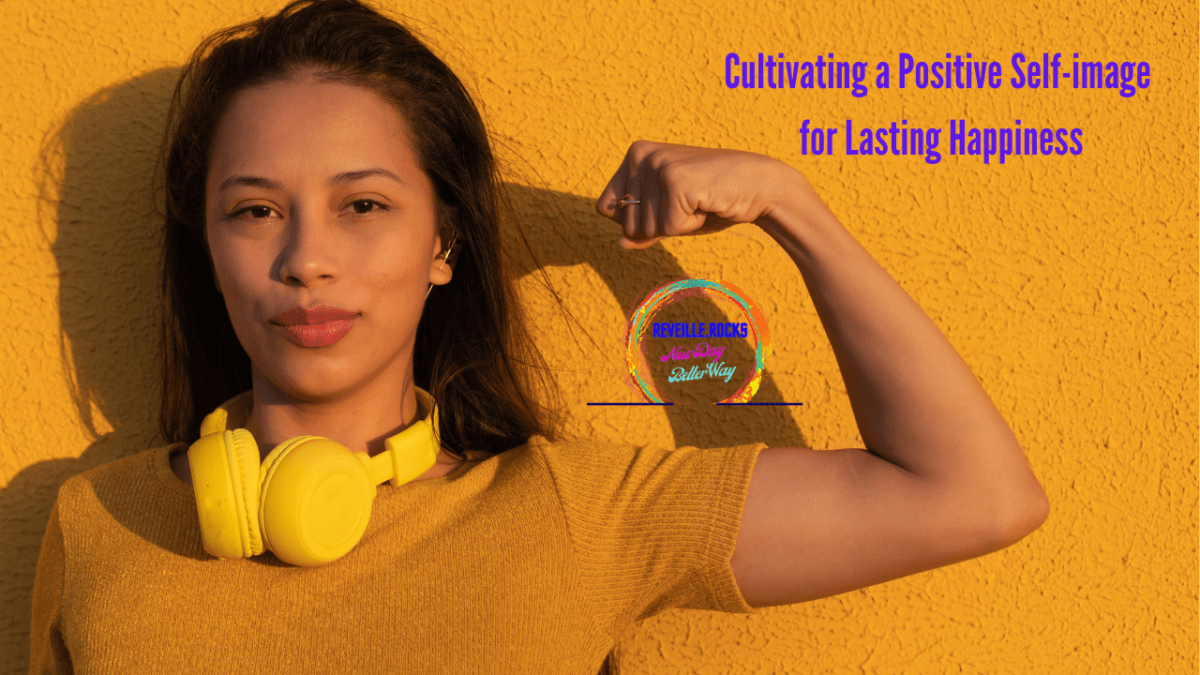
Cultivating a Positive Self-image for Lasting Happiness

Having a positive self-image is crucial for our overall well-being and happiness. It shapes how we perceive ourselves and interact with the world around us. Cultivating a positive self-image involves embracing our strengths and accepting our flaws. It’s about being kind to ourselves, practicing self-compassion, and recognizing our worth beyond external validation.

One way to enhance our self-image is through self-care practices that nourish our mind, body, and soul. It could include regular exercise, healthy eating, mindfulness, and enjoying activities that bring us satisfaction. Surrounding ourselves with supportive and uplifting people who encourage our growth can also boost our self-esteem.

Remember, building a positive self-image is a journey that requires patience and self-reflection. It’s about challenging negative self-talk, setting boundaries, and celebrating our achievements, no matter how small. By embracing who we are and cultivating a positive self-image, we pave the way for lasting happiness and fulfillment.

The Connection Between Confidence and Happiness: How to Boost Both

Confidence and happiness are two emotions that are closely intertwined. People confident in themselves and their abilities are happier and more fulfilled. The good news is that confidence and happiness are both qualities that can be cultivated and improved with practice.

One way to boost your confidence and happiness is to set achievable. It includes taking care of yourself physically, emotionally, and mentally. Exercise regularly, eat a healthy diet, get enough sleep, and take time to do things you enjoy. When you feel good about yourself, you are more likely to be confident and happy.

Surround yourself with positive, supportive people. Being around people who believe in you and support your goals can give you the confidence boost you need to succeed. As you grow, you will be happier and more confident in yourself and your abilities.

The Benefits Of Spending Time Alone And How To Enjoy It

Spending time alone can be a great way to recharge and improve your mental health. It allows you to reflect, rest, and focus on your needs. Here are a few benefits of spending time alone and how to enjoy it:

When you’re alone, you have time for reflection on your thoughts and feelings, which can help you better understand yourself. Try journaling or meditating to gain more self-awareness.

Being alone allows your mind to wander, develop new ideas, and engage in creative activities such as painting, writing, or playing music.

Alone time can give you a break from the demands of everyday life and allow you to relax. Try taking a bubble bath, walking in nature, or reading a book.

When you’re alone, you can think through decisions without outside influence. Use this time to make a pro and con list or weigh the options before deciding.

To enjoy your alone time, try disconnecting from technology and social media. Try activities that bring you joy and make you feel relaxed. It is always okay to prioritize your needs and take time for yourself.

How To Identify Your Needs And Prioritize Them

Identifying and prioritizing your needs can be daunting, but leading a fulfilling life is essential. It is easy to get distracted by the needs of others or our wants, but it is critical to recognize what is truly necessary for our well-being. Here are some steps to help you identify and prioritize your needs.

First, make a list of all the things that you believe you need in your life. The list can include anything from basic necessities like food and shelter to emotional and social needs like love and support. Once you have your list, try to categorize each item by level of importance.

Next, evaluate each item on your list and ask whether you see a necessity or a want. Consider the consequences of not having each item and the impact it would have on your overall well-being.

Finally, prioritize your needs based on their level of importance and the consequences of not having them. Doing so will help you focus on the most critical needs first and work your way down the list.

Remember, your needs may change over time, so it is crucial to reassess and adjust your priorities as necessary. You will lead a fulfilling and satisfied life by identifying and prioritizing your needs.

Benefits Of Meditation And How To Get Started

Meditation has become increasingly popular because of the benefits people get from it. Research shows that regular meditation helps reduce stress, anxiety, and depression, improve focus and concentration, lower blood pressure, and improve heart health. In this blog post, we’ll explore the benefits of meditation and provide some tips on how to get started.

One of the key benefits of meditation is it reduces stress and promotes relaxation. Focusing on your breath and quieting your mind can lower your heart rate and blood pressure, leading to a calmer feeling. Regular meditation can also help improve your mood and reduce symptoms of anxiety and depression.

Meditation is also known to have physical benefits. Studies have shown that regular meditation may lower blood pressure and reduce risks associated with heart disease. It also improves sleep quality and helps the immune system.

If you’re new to meditation, getting started can seem daunting; however, it’s pretty simple. Find a place where you won’t be disturbed and sit comfortably with your back straight. Close your eyes and take slow, deep breaths through your nose and mouth. If your mind goes off track, gently bring it back to your breath. Gradually increase the time as you become more comfortable with the process.

Meditation is an excellent tool for physical and mental health. You can reduce stress and improve mood and overall health by taking a few minutes daily to quiet the mind and focus on breaths.

Reflecting on the past year’s accomplishments and challenges

As the end of the year approaches, it’s natural to reflect and take stock of what we’ve accomplished and experienced. Looking back on the year can help us appreciate how far we’ve come, identify areas where we can improve, and set goals for the future.

One of the most important things to do when reflecting on the past year is to celebrate your accomplishments. What did you achieve this year? You could finally have landed your dream job, completed a significant project, or learned a new skill. Whatever it is, take a moment to acknowledge and celebrate your success. Doing so can build your confidence and motivate you to continue pursuing your goals in the future.

However, it’s also important to recognize the challenges and difficulties we faced this year. Perhaps you experienced personal or professional setbacks, dealt with health issues, or struggled to balance work and life. Reflecting on these challenges helps to identify areas where we want to grow and develop and helps us appreciate the strength and resilience we demonstrate in the face of adversity.

As you reflect on the past year, consider what you learned from your experiences. What did you discover about yourself, your strengths and weaknesses, and your goals and aspirations? This self-reflection can help you set new goals and resolutions for the coming year and can also help you appreciate the progress you’ve made so far.

In conclusion, reflecting on the past year’s accomplishments and challenges can be valuable in personal growth and development. By celebrating our successes, acknowledging our challenges, and learning from our experiences, we can set ourselves up for continued growth and success.

Being Kind To Ourselves Can Make Life More Enjoyable

Self-kindness often gets overlooked in today’s fast-paced world, where we find ourselves constantly pressured to achieve and be more. However, taking the time to be kind to ourselves makes life more enjoyable. When we treat ourselves with kindness, we develop a better loving relationship with ourselves, leading to greater self-confidence and self-esteem.

Self-kindness also helps to reduce stress and anxiety, allowing a significantly positive impact on our overall well-being. When we are kind to ourselves, we can handle our emotions and cope better with the challenges that life throws our way.

Additionally, self-kindness can improve our relationships with others. When we are kind to ourselves, we are likelier to be kind to others, creating a positive cycle of kindness and compassion.

Incorporating self-kindness into our daily lives can be as simple as taking a few minutes each day to do something that brings us joy, such as reading a book or walking in nature. By prioritizing our own well-being and treating ourselves with kindness, we can create a happier, more fulfilling life for ourselves and those around us.

Self-Kindness Is Essential In Improving Our Mental Health

Self-kindness is vital to improving our mental health. It involves treating ourselves with the same care, understanding, and compassion that we would offer to a close friend or a loved one. Practicing self-kindness can help us to manage stress and anxiety, develop resilience, and improve our overall well-being.

One of the ways self-kindness improves mental health is by reducing negative self-talk. Instead of being self-critical, we can learn to be more self-compassionate. It involves acknowledging our mistakes and shortcomings without judging ourselves harshly. By practicing self-compassion, we develop a more supportive inner voice.

Self-kindness can also help us to build a stronger sense of self-worth. When we treat ourselves with kindness and respect, we begin to see ourselves in a more positive light. Giving yourself kindness can lead to greater self-confidence and a more positive outlook on life.

Self-kindness can help us to develop better relationships with others. When we are kind to ourselves, we are more likely to extend that kindness to others. We can lead to more substantial and meaningful connections with the people in our lives.

Self-kindness is an essential ingredient in improving our mental health. By treating ourselves with the same care and compassion we offer others, we can reduce negative self-talk, build self-worth, and develop stronger relationships with those around us.