How to practice self-care on a budget

If you want to keep good physical, mental, and emotional health, You have to take care of yourself. Proper care can sometimes seem tricky, mainly because of its cost. The good news is that self-care does not have to cost an arm and a leg. There are many ways to take care of yourself on a budget. Here are some tips to get you started:

Try to make sleep a priority. Getting the right amount of rest is crucial for our overall well-being. Get enough sleep by establishing a firm bedtime routine routine, including winding down activities such as reading or taking a warm bath.

Always take advantage of free resources. Most communities offer free or low-cost events such as yoga classes, meditation sessions, or nature walks. Enjoy the opportunities offered and incorporate them into your self-care routine.

Spend time in nature. Nature is Great (a little less so if you have allergies.) If it is good for you, take a hike, walk in the park, or simply sit outside and enjoy the fresh air and sunshine. It helps your mood; even better, most of nature is free. 

Work a little with mindfulness.  Try to be present in the moment.

Self-care doesn’t have to be expensive. You can practice self-care on a budget by prioritizing sleep, taking advantage of free resources, spending time in nature, and practicing mindfulness. Remember, taking care of yourself is important and doesn’t have to cost a fortune.
Benefits Of Meditation And How To Get Started

Meditation has become increasingly popular because of the benefits people get from it. Research shows that regular meditation helps reduce stress, anxiety, and depression, improve focus and concentration, lower blood pressure, and improve heart health. In this blog post, we’ll explore the benefits of meditation and provide some tips on how to get started.

One of the key benefits of meditation is it reduces stress and promotes relaxation. Focusing on your breath and quieting your mind can lower your heart rate and blood pressure, leading to a calmer feeling. Regular meditation can also help improve your mood and reduce symptoms of anxiety and depression.

Meditation is also known to have physical benefits. Studies have shown that regular meditation may lower blood pressure and reduce risks associated with heart disease. It also improves sleep quality and helps the immune system.

If you’re new to meditation, getting started can seem daunting; however, it’s pretty simple. Find a place where you won’t be disturbed and sit comfortably with your back straight. Close your eyes and take slow, deep breaths through your nose and mouth. If your mind goes off track, gently bring it back to your breath. Gradually increase the time as you become more comfortable with the process.

Meditation is an excellent tool for physical and mental health. You can reduce stress and improve mood and overall health by taking a few minutes daily to quiet the mind and focus on breaths.

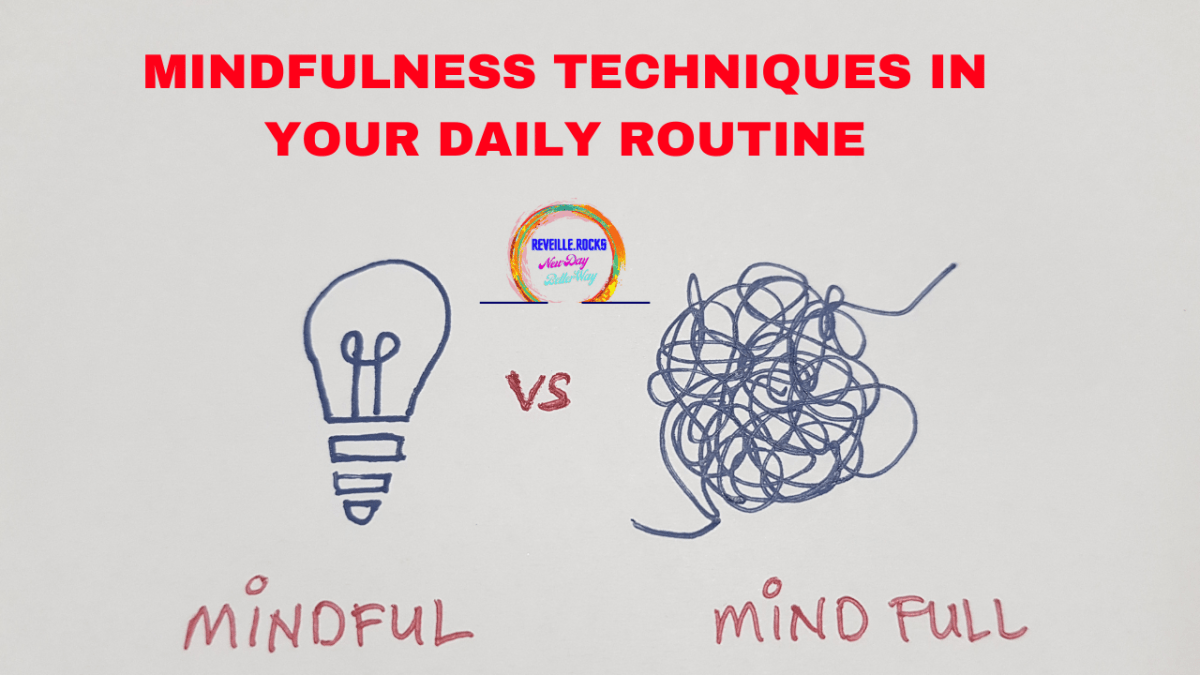
Mindfulness Techniques In Your Daily Routine

Mindfulness happens when you are fully present and working in the current moment. It helps reduce stress and improve focus. Having mindfulness aids your overall well-being. Here are some mindfulness techniques that you can incorporate into your daily routine:

  1. Mindful Breathing: Take slow, comfortably deep breaths and realize the air entering and leaving your body. It helps regulate your breathing and calms your mind.
  2. Mindful Eating: Attention to food’s taste, texture, and aroma. Savor each bite and eat slowly, without distractions.
  3. Mindful Walking: Take a stroll and focus on the sensations in your body, like the movement of your feet and the feeling of the sun on your skin.
  4. Mindful Meditation: Sit and focus on your breath or focus on something in the room. When your mind wanders, gently bring your attention again to your breathing.
  5. Mindful Gratitude: Take a few moments each day to reflect on things you are grateful for. Doing so can help shift your focus to the positive aspects of your life.

Mindfulness can become a natural part of your life, helping manage stress and improve overall well-being.

indfulnessBuild your audience with tags(opens in a new tab)

Set Boundaries and Protect Your Mental Health

Setting boundaries is an essential part of protecting your mental health. Boundaries help you maintain healthy relationships, manage time and energy, and prevent burnout and stress. However, many people struggle with setting boundaries, often feeling guilty or selfish for prioritizing their needs. Here are some tips to help you set boundaries and protect your mental health.

Identify your limits and needs. What are your non-negotiables regarding your time, energy, and emotional well-being? When you understand your boundaries, communicate them respectfully to those around you. Doing this can be tricky, especially if you have people in your life who are used to you always saying yes. Be polite and firm. Establishing boundaries is not about being mean or selfish; instead, it is about taking care of yourself.

It’s also important to be consistent with your boundaries and enforce them if necessary. Sometimes, it can be uncomfortable, but it’s essential for maintaining healthy relationships and protecting g your mental health. 

Be kind to yourself and remember that setting boundaries is a process. It’s okay to make mistakes and to adjust your limits as needed. Understanding your needs and setting healthy boundaries allows you to protect your mental health and live a better life.

 Taking A Mental Health Day For Yourself

Mental and physical health are essential. Yet, many people tend to neglect their mental health, often due to the demands of work and daily responsibilities. That’s why taking a mental health day can be incredibly beneficial.

Taking a mental health day allows us to take a break from the stressors of our daily lives. It gives us the time and space to recharge, relax, and focus on our well-being. It is known to reduce anxiety, depression, and burnout and improve our overall mental health.

Moreover, a mental health day can increase productivity and creativity when returning to work. It enables us to clear our minds and gain a fresh perspective., It can lead to better decision-making, problem-solving, and innovation.

Lastly, taking a mental health day can help improve our relationships. When we prioritize our mental health, we become better equipped to handle stressors and conflicts in our personal and professional lives. A day apart can lead to stronger, healthier, and more fulfilling relationships.

Taking a mental health day is a valuable tool for maintaining our health and well-being. It allows us to take a break, recharge, then return to our daily lives with renewed energy and focus. So, don’t be afraid to take a mental health day when you need it – your mind, body, and relationships will thank you for it.

Creating A Vision Board

Creating a vision board is a powerful way to help you put your dreams and goals into flight. A simple board quickly becomes a visual aid for what you want to achieve and can help you stay focused and motivated. If you wish to create a vision board for 2024, here are some ideas to get started.

Think about what you want to achieve in 2024. It could be anything from starting your own business to traveling the world.

  • Record your goals and be specific about what you want to achieve. Next, find or make images that represent your goals. You can use magazines, online photos, or even draw your own by hand or on your computer.
  • Once you have your images, create a collage on a poster or corkboard. Place each picture in a way that feels right to you, and put the board where you will see it during your day.
  • You can also add quotes or thoughts to your vision board to help you stay motivated.
  • The board can help you stay motivated on your journey.
  • Take a few minutes each day to focus on your goals and visualize yourself achieving them.

Please think of the mission you are on. Creating the vision board is just the first step. You still need to take action to make your dreams a reality. With your vision board as a constant reminder of what you want to achieve, you’ll be more likely to stay focused on what works for you.

Reflecting on the past year’s accomplishments and challenges

As the end of the year approaches, it’s natural to reflect and take stock of what we’ve accomplished and experienced. Looking back on the year can help us appreciate how far we’ve come, identify areas where we can improve, and set goals for the future.

One of the most important things to do when reflecting on the past year is to celebrate your accomplishments. What did you achieve this year? You could finally have landed your dream job, completed a significant project, or learned a new skill. Whatever it is, take a moment to acknowledge and celebrate your success. Doing so can build your confidence and motivate you to continue pursuing your goals in the future.

However, it’s also important to recognize the challenges and difficulties we faced this year. Perhaps you experienced personal or professional setbacks, dealt with health issues, or struggled to balance work and life. Reflecting on these challenges helps to identify areas where we want to grow and develop and helps us appreciate the strength and resilience we demonstrate in the face of adversity.

As you reflect on the past year, consider what you learned from your experiences. What did you discover about yourself, your strengths and weaknesses, and your goals and aspirations? This self-reflection can help you set new goals and resolutions for the coming year and can also help you appreciate the progress you’ve made so far.

In conclusion, reflecting on the past year’s accomplishments and challenges can be valuable in personal growth and development. By celebrating our successes, acknowledging our challenges, and learning from our experiences, we can set ourselves up for continued growth and success.

Take Care of Yourself

Taking care of yourself is very important. We always need to keep an eye on our overall well-being. Self-care involves engaging in activities that promote both mental and physical health, especially during a large holiday season. It is essential for our overall health and happiness. In today’s fast-paced world, it’s easy to forget to take time for ourselves, yet, self-care is very important.

Self-care can take many forms, It could be taking a relaxing bath, enjoying a book, walking, or meditation. Self-improvement activities can help reduce stress and anxiety, help your mood improve, and promote better sleep. And, physical self-care is equally important. Healthy eating, getting good sleep, and regular exercise are vital. It can help improve physical health and reduce the risk of chronic illnesses.

Prioritizing self-care can be challenging, particularly when we have busy schedules. Remember, taking care of ourselves is not selfish. When we prioritize self-care, we are better equipped to take care of others and meet our responsibilities.

Being Kind To Ourselves Can Make Life More Enjoyable

Self-kindness often gets overlooked in today’s fast-paced world, where we find ourselves constantly pressured to achieve and be more. However, taking the time to be kind to ourselves makes life more enjoyable. When we treat ourselves with kindness, we develop a better loving relationship with ourselves, leading to greater self-confidence and self-esteem.

Self-kindness also helps to reduce stress and anxiety, allowing a significantly positive impact on our overall well-being. When we are kind to ourselves, we can handle our emotions and cope better with the challenges that life throws our way.

Additionally, self-kindness can improve our relationships with others. When we are kind to ourselves, we are likelier to be kind to others, creating a positive cycle of kindness and compassion.

Incorporating self-kindness into our daily lives can be as simple as taking a few minutes each day to do something that brings us joy, such as reading a book or walking in nature. By prioritizing our own well-being and treating ourselves with kindness, we can create a happier, more fulfilling life for ourselves and those around us.

Burnout Is A Severe Issue That Affects Many Individuals

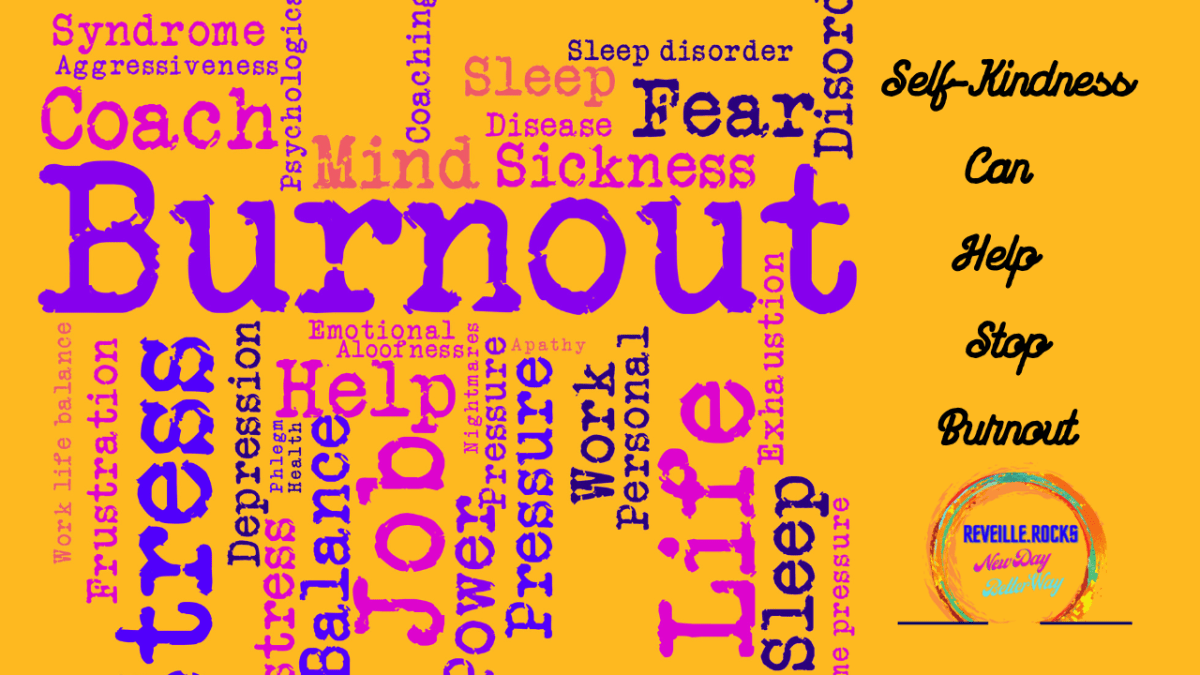
Burnout is a challenging issue that affects many individuals, particularly those who work in high-stress occupations. It often manifests as exhaustion, cynicism, and a loss of motivation, resulting in decreased productivity and job dissatisfaction. However, research suggests that practicing self-kindness may be an effective way to combat the effects of burnout.

Self-kindness involves treating oneself with compassion, understanding, and acceptance. This approach can help individuals develop a better mindset, lowering stress and increasing resilience. Self-kindness also encourages individuals to prioritize their well-being, leading to better self-care habits and more effective coping mechanisms.

Practicing self-kindness can also improve relationships with others, as individuals who are kinder to themselves tend to be more empathetic and understanding towards others. It can create a supportive work environment, reducing the likelihood of burnout.

Incorporating self-kindness into one’s daily routine has a significant positive impact on overall well-being and can reduce the effects of burnout. By prioritizing self-care and treating oneself with kindness, individuals cultivate a higher positive mindset and build stronger, more supportive relationships with others.