The Call for Change: Why I’m Considering a New City

With my wife gone, the house has become a cold and lonely place. When my sons started encouraging me to move closer to them, I clung to the idea that my home, which I had lived in for 35 years, was where I belonged. I didn’t want to be a burden—some 70-something-year-old disrupting their lives.

But as they shared their thoughts over time, it reminded me of the concerns I once had about my own parents. Each of them lived in different parts of the country, with their own lives and wishes. The hardest part wasn’t just the distance—it was how hard it was to reach them when they needed us.

Remembering that made me pause. It opened something in me.

So now, I’m giving the big city a try. Not just to be closer to my sons, but to see if it can meet my needs—medical care, reliable transportation, safety, and space for my ongoing work. I’m still building classes, coaching, and writing books on happiness. That part of me is still alive, and I want to protect it.

I don’t know yet if this place will feel like home. But I’m hoping it might hold something good for me—something supportive, something new. Maybe even something healing.

Why Walking Your Dog Boosts Mood and Energy

It forces you outside, which boosts vitamin D (sunshine) and helps you see things from a fresh perspective. Being outside with your pet (if it is an outdoor animal) gives you both a little exercise and strengthens your companionship. When you combine movement and companionship, you enjoy a natural serotonin surge.

When you are out walking your pet, whether a dog, a horse, or another pet, it helps you to unplug and be in the present moment, just you and your pet.

The rhythm of walking with a dog, and many other pets, can feel meditative. It can help you put your worries aside and just enjoy the time together outside. Watching your pet enjoy the world adds joy to your own. The two of you are actually sharing something that both of you enjoy.

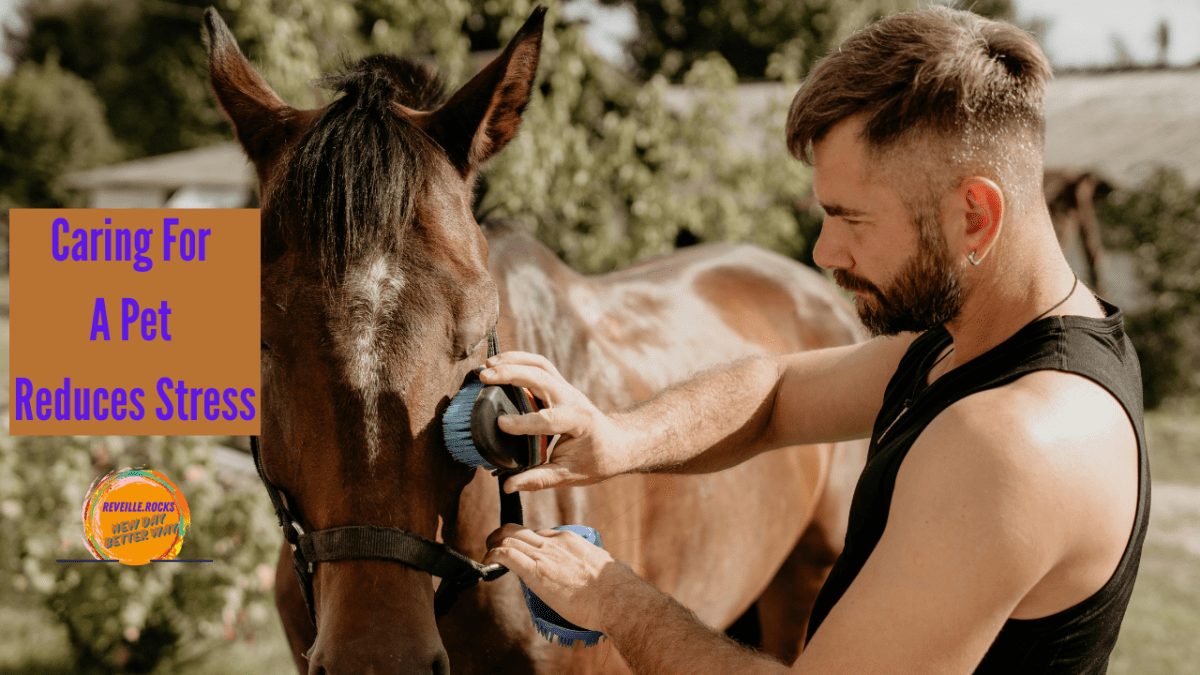
 How Caring for a Pet Reduces Stress

Routine care creates structure, which helps calm chaotic minds. Petting an animal physically lowers cortisol levels, and science backs this up.

Taking care of another being can shift focus away from anxious thoughts. They can actually help you calm down and relax.
Pets don’t judge your mood; they just stay beside you through it.


The little responsibilities involved give you micro-wins that build a sense of competence. It is genuinely a give-and-take that can benefit you and your pet.

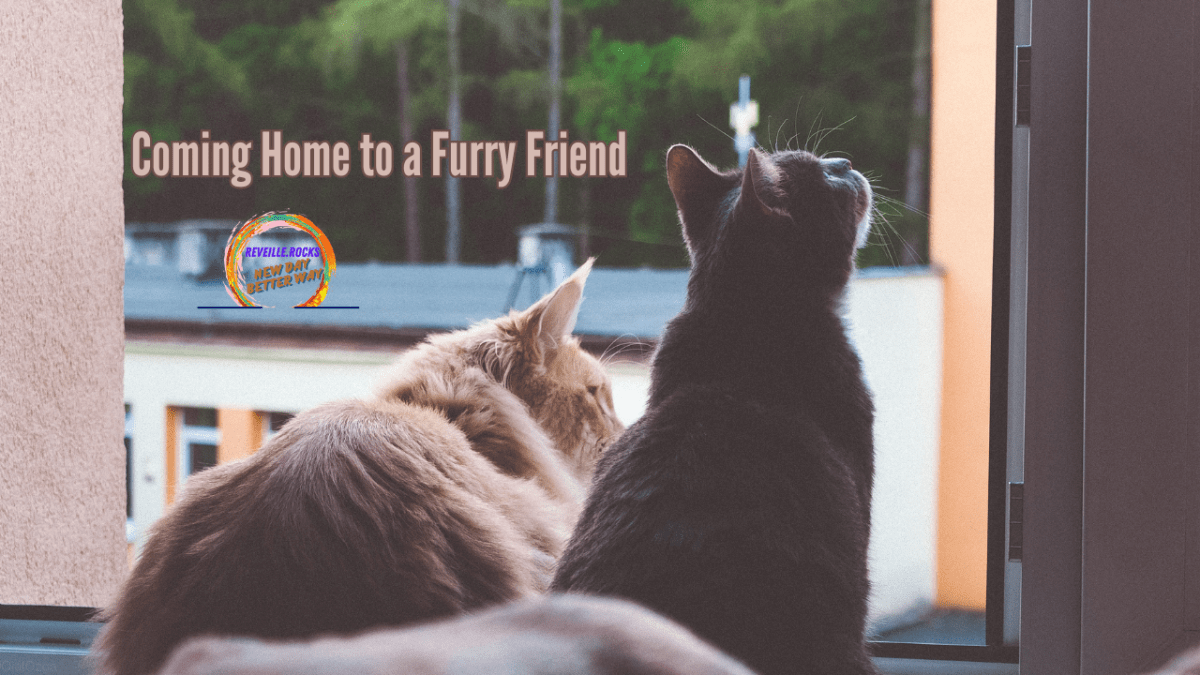
The Happiness of Coming Home to a Furry Friend

A pet’s greeting is pure, unfiltered joy. Your pet does not fake excitement. When it is exciting to see you, it really is. Your pet cares for you.

A pet’s presence makes “home” feel emotionally safer and more welcoming. You are not as lonely as when you were there alone. Every time you come home, your pet is happy to see you. The daily reunion becomes a buffer against loneliness or burnout. The homecoming is a moment of connection that doesn’t require words, just presence. It reminds us we are wanted and needed, even after a hard or messy day.

 How Pets Add Unconditional Joy to Your Life

Pets offer comfort, love and the support of another living thing within your life. Pets offer love without expectation. They don’t care about your job title, your to-do list, or your bad hair days. They love you, often unconditionally.

It does not matter if your pet is a dog, cat, ferret, pig, or any other animal. The consistent affection that each of you provides to the other helps to ensure emotional grounding. This is especially true during uncertain times.

Simple moments, like tail wags or soft purrs—create spontaneous joy. These stimuli help us focus on the now, not the “what ifs” that stress us out.

Pets often become emotional anchors.  Our pets help us feel loved even when we’re struggling to love ourselves. Pets are the best companions many of us can have.

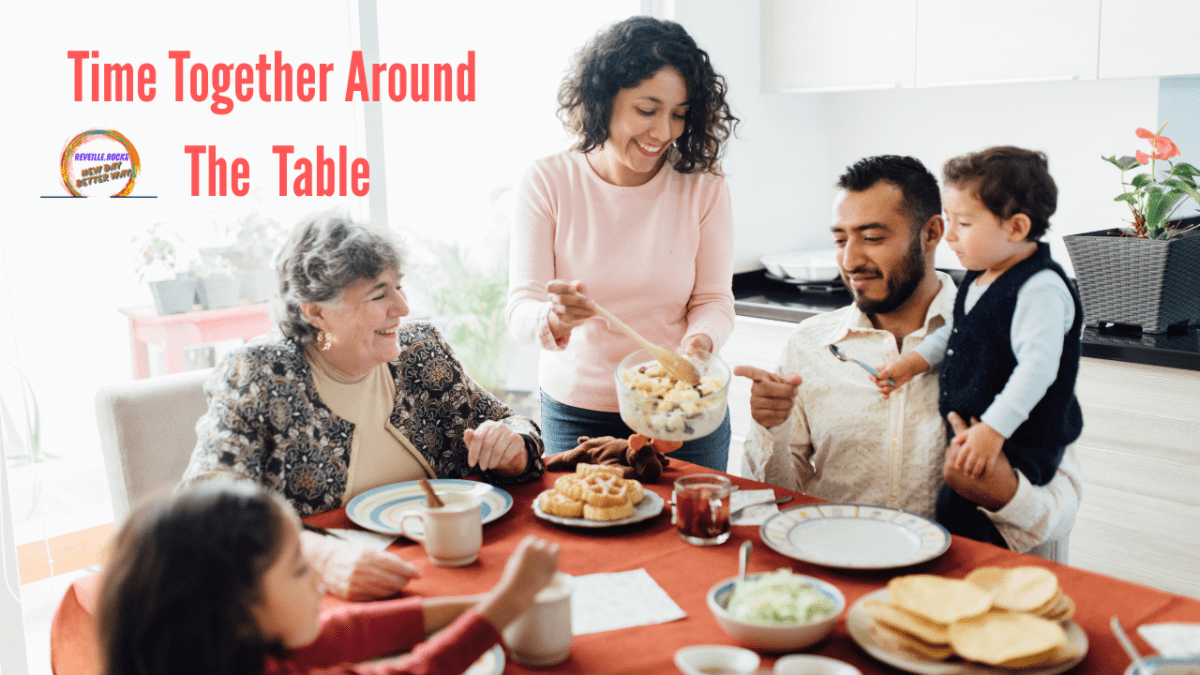
Time Together Around the Dinner table

Dinner together is essential, especially when the kids are young. Sharing a meal is a setting to share what is happening in everyone’s life, learn better habits, and forge a closer bond as a family.

Dinner may not be possible every day. Try to have dinner together as often as possible.

Teaching Your Family to Appreciate Life

Have each family member write down one thing they’re thankful for every day. Saving the writings in a pouch or an envelope allows the writer to go back and read them from time to time when they are feeling sad. 

Another way to find appreciation is to write thank-you notes to whoever does something good for you. This is a good habit to teach children because it can turn into a life-long habit that will have many good rewards for them in the future.

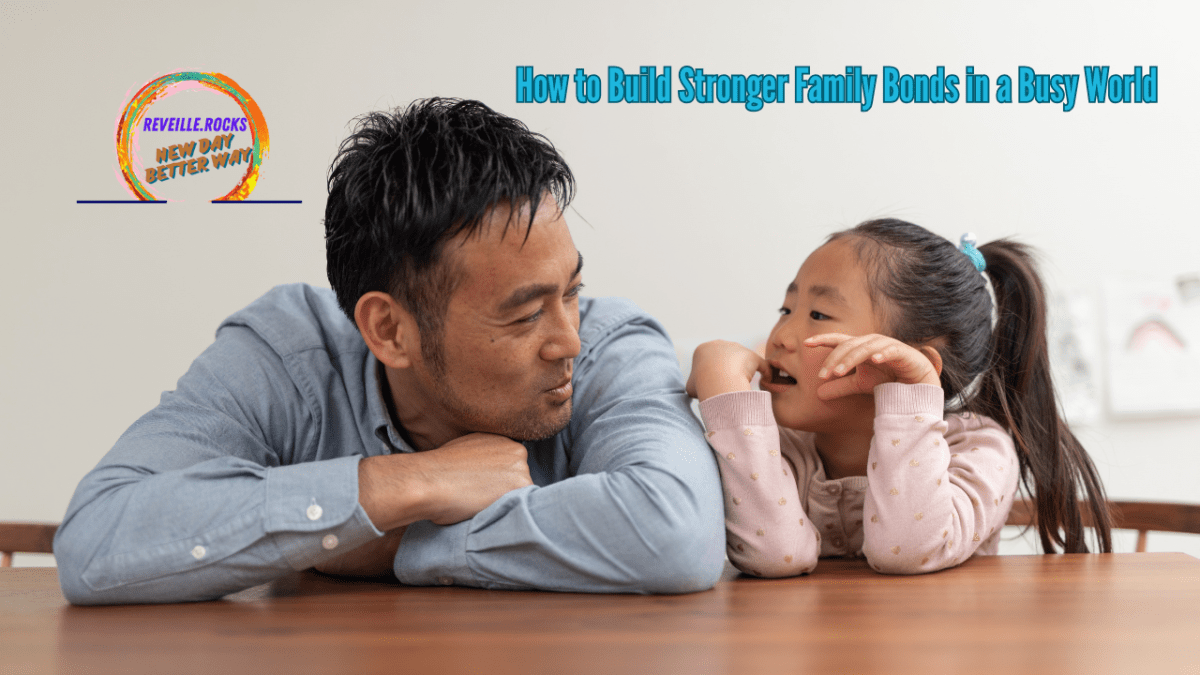
How to Build Stronger Family Bonds in a Busy World

Try to set up a time on a regular schedule to talk with each member of the family. Regularly ask how everyone is doing emotionally and if they have any concerns. It is always best to identify any concerns earlier rather than later.

Whatever the concern might be, do not dismiss it. Although the concern may be minimal to you, it is serious to whoever brought it up. Try talking about all concerns privately with whoever brings them up.

Families Learn By Working Together

Children often learn by seeing what others do around them and then imitating the behavior. Cooking together allows children to understand safety, share ideas, experiences, and manners. It is also the time they find happiness in learning things.

Backyard Camping helps children experience stepping out of their everyday sanctuary and trying a new environment.  Set up a tent, make s’mores, and stargaze. Parents want to keep an eye on the young when starting this.

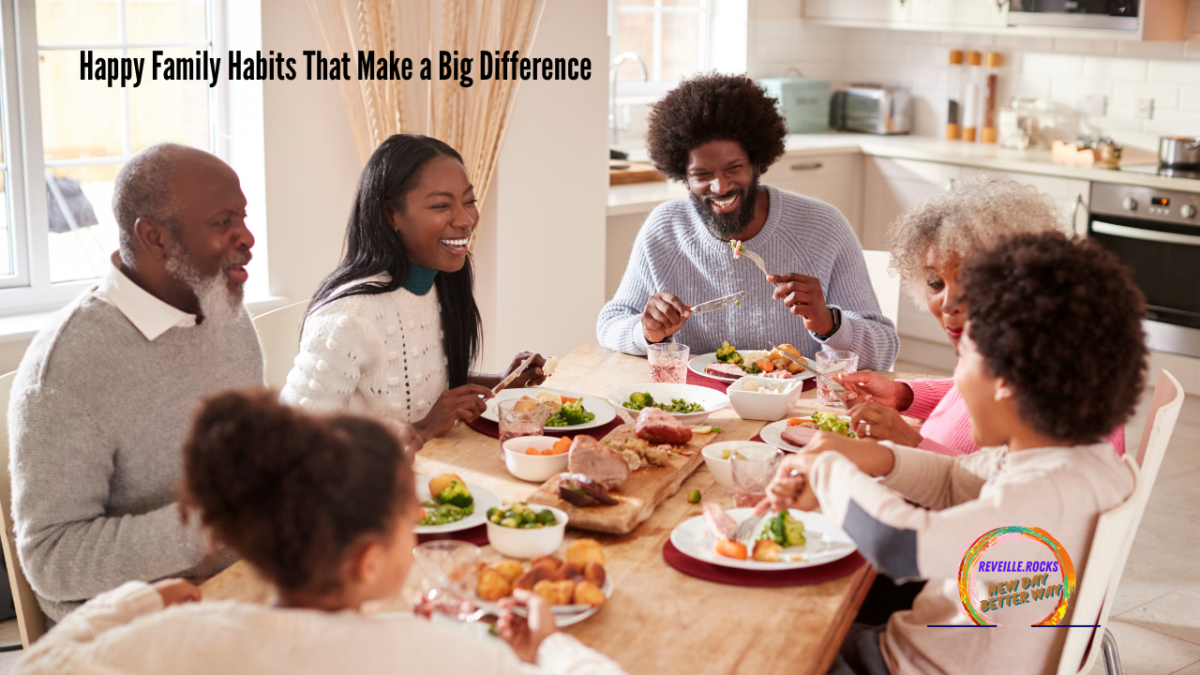
Happy Family Habits Make a Big Difference

We often find ourselves working outlandish schedules with more demands taking up our time. To have a Quality within our family, we need to partition family time so that other tasks cannot take precedence. Once you have the time set, be sure to schedule good togetherness moments that everyone can enjoy.

Encourage everyone in the family to share one thing each day they are grateful forthankful for. It can be done a a certain time in the family room, or around the table during dinner. The value of this will come with the daily habit of doing it.

As you build these and other happy family habits, ensure everyone has an opportunity to participate and feels they are being heard and allowed to participate.