
Happiness at Home Alone

When your life has drastically changed, it can be hard not to fall into ruts. I have some suggestions that may help you compensate and avoid ruts.

Set a plan of what you need to do daily, weekly, and monthly. I like to stack habits. That way, I can get many things done in a short amount of time. It’s not that I want to skip chores; I just don’t want to spend all week picking up after myself.

I have started to make the house more comfortable for myself. My extended family and my kids helped me declutter a lot. Rearranging some furniture and changing some things have helped improve things for me. Photos and special moments make me feel a little better in the house.

Don’t spend all your time cooped up in the house or apartment. Get out and enjoy time with other people you know. Talking with others is a good time to practice active listening. Good discussion helps create deeper bonds and prevents minor issues from growing.

Show appreciation. Simple “thank yous” or compliments often uplift the day for all who may drop by. Encourage Those you know and talk with to pursue something they love and share their journey with others.
Identifying common fears you may face and how to handle them.  

Identifying common fears you may face and how to handle them.  

You do not heed to fear anything. Take stock of what bothers you, try to understand why, and work on solutions to help you overcome the fears.

If you are afraid of guns, snakes, knives, and many other bad things, you are in the majority. Sometimes, a healthy dose of fear is good for us. For the things less leathel, try the ideas below.

Acknowledge and Define – Identify specific fears, procrastination patterns, or lack of direction to address them effectively. Use the WWWHW method.

Who: Is it a particular person or something that they do?

What: Is it something that you have a problem using?

When: Does the problem happen more at a particular time or during a specific event?

 How: How does the fear or problem manifest itself?

 Why: Why do you think it bothers you so much?

Reframe Your Mindset – Shift perspectives by seeing a problem as a barrier to growth opportunities,
rather than fear.

Break It Down – If the problem is overwhelming, divide it into smaller tasks, with manageable steps, to reduce hesitation.

Own Accountability: Partner with a mentor or accountability buddy to stay on track.

  •  Having someone in your corner will help you solve the problem and achieve better results.

Celebrate Progress – Reward small achievements to build momentum. The reward will reinforce positive actions.

The Happiness Hormone: Serotonin’s Role in Joy

Please remember I am not a doctor. Yet, in my reading, I have learned that Serotonin is suitable for regulating the brain and helps with joy. Here are a few ways to get some natural Serotonin and find a little more joy.

Please remember, all things in moderation.

  1. Serotonin helps to regulate:
    • Mood, anxiety, and overall emotional balance.
  2. Higher serotonin levels are linked to:
    •  Feelings of calm, contentment, and happiness.
  3. Sunlight exposure naturally:
    • Serotonin production, which improves mood.
  4. Healthy gut bacteria contribute to:
    •  Serotonin production, connecting diet to happiness.
  5. Low serotonin levels:
    • Are associated with depression and mood instability.
  6. Exercise, meditation, and social connections all:
    • It helps increase serotonin,

How Physical Activity Fuels Emotional Well-Being

When you exercise, it boosts your endorphins, which naturally improves your mood and reduces pain. Pain usually makes you feel bad, so less pain equals better feelings.

Movement reduces stress hormones like cortisol. Exercise leads to lower anxiety. Less anxiety getting in your way each day makes life a little better.

As you engage in more physical activity, you actually increase your self-esteem by improving your body image and confidence, helping you improve your mind and body.

Physical activity promotes better sleep. Better sleep gives you the good chemicals we have been talking about this week, which enhance emotional regulation and happiness. 

Exercising outdoors can increase vitamin D (we get it from the sunshine), which is linked to mood stability. People in northern climates with fewer hours of daylight during the winter need to use special lamps to help with vitamin D.

Regular workouts create a sense of accomplishment and reinforce a positive mindset. In doing so, you are building good habits and helping the body improve and care for itself.

The Link Between Sleep and a Happier Life

Sleep regulates mood. The better your sleep, the better you feel. This happens because during your sleep, your brain rests and does some repairs. This helps to reduce irritability and stress.

When you sleep poorly, the brain cannot function properly, disrupting serotonin and dopamine. And it leads to lower energy and motivation. Lack of sleep also increases cortisol (a stress hormone), making anxiety worse. Most people need 7-9 hours of sleep.

Restorative sleep improves cognitive function. Better cognitive function helps improve problem-solving and emotional resilience. Good sleep also enhances social interactions, reducing conflict and increasing feelings of connection.

When you get a good nights sleep, you end up with a well-rested brain that will experience more positive emotions. Better emotions lead to greater overall happiness.

Laughter is the Glue of Happy Families

Laughter is one of the best healers we have in this world. It can come from the strangest of places in your mind. Once it starts, it can spread within a group of people faster than a wildfire. Once everyone in the group starts laughing, many of the worries and concerns, so important a few minutes ago, are lost and forgotten. 

Why? Science can give you many facts about the brain’s chemical structure, such as dopamine and serotonin. I am happy to know it is accurate and that it works.

Humor can cut through the thickest of tension, bringing divided sides together again. It can also form a bond that helps the fiercest enemies find common ground.

Fun family activities (games, funny movies, or nice jokes) encourage laughter and help the family find happiness and cohesion. Everyone should have happy moments every day.

The Role of Family Time in Building Happiness

Today, we live in a very fast-paced world. Making the most of shared moments with our spouses and children is more important than ever. Please be sure to set aside some time to be with your family every day, even if it is a video call from another country to say hi. 

Activities that strengthen bonds often carry meaning that lasts for years. Going on hikes, camping on a weekend, or making a pizza together every week can all be memorable moments. 

Family time is important enough that distractions such as TV, phones, tablets, and other electronics should not steal attention from the moment. Devices should be given a rest. 

Sharing experiences creates happy memories that last a lifetime. Often, the littlest things are remembered and cherished 50 years later.

Activities that strengthen bonds often carry meaning that lasts for years. Going on hikes, camping on a weekend, or making a pizza together every week can all be memorable moments. 

Family time is important enough that distractions such as TV, phones, tablets, and other electronics should not steal attention from the moment. Devices should be given a rest. 

Sharing experiences creates happy memories that last a lifetime. Often, the littlest things are remembered and cherished 50 years later.

How to Raise Kids Who Find Joy in Everyday Life

Kids watch what we do and mimic our ways. That is how children learn. They use their auditory, visual, and tactile senses. If the rest of the family demonstrates gratitude and mindfulness, younger people will notice and begin to practice the small joys.

For younger children, open their world up a little. Encouraging curiosity and playfulness in daily activities helps the mind and body to grow.

Always try to model positive thinking and resilience. Sometimes, it is hard, especially after a hard day. Yet, remember that what young children see and hear will be what they learn and do.

Limited screen time may foster more creativity and exploration. Sitting in front of something is a small reward compared to the world that awaits a young mind.

Children know they have done well when they see older people celebrating their small achievements and daily victories. So let kids know that they did something good.

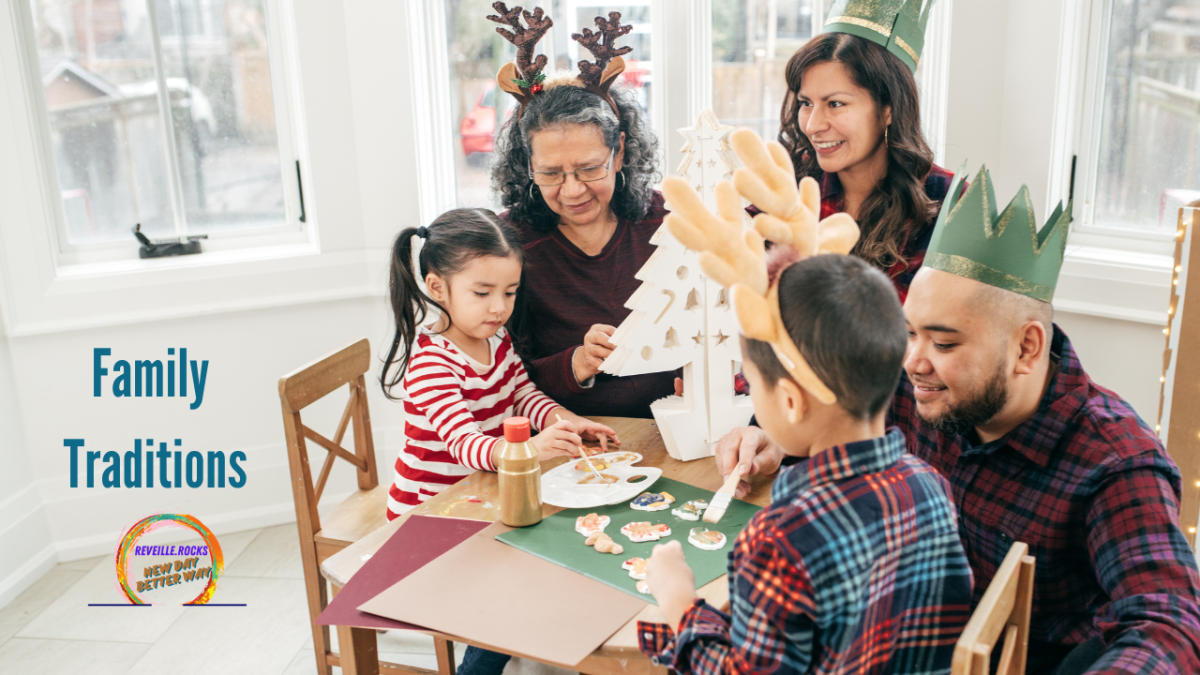
Creating Happy Family Traditions

Traditions are a part of everyonses culture. They are usually made within a family or extended family. Traditions carry meaning to all who participate in them, and people often look forward to each time the tradition’s date approaches.

Traditions can be as simple as homemade pizza on Friday night or a cup of coffee in the morning between husband and wife. Some traditions are tied to holidays, such as finding the unique ornament on the Christmas tree. Traditions are part of family culture.

Traditions provide a sense of identity and belonging. When new people spend time with the family, they are often introduced to some of their traditions. As this happens, the stranger becomes a welcome part of the family adventure.

Some traditions become entwined in the family tree for generations; each branch creates others as they meld and grow together. A tradition shows the spirit and care of the family unit and points to its sense of humor and what it enjoys.

Traditions are usually balanced between new and old as families grow and change. Sometimes they become lore, sometimes they change with culture, and sometimes they stay to the point where no one knows how they started. However, it works, as traditions are part of families worldwide. 

Finding Growth and Happiness Within Your Struggles


Life’s struggles often feel too large to handle. Yet, they also hold the potential for growth and happiness. It starts with shifting your perspective—seeing challenges as opportunities to learn and grow. 

  1. Embrace setbacks as stepping stones, not roadblocks. Practice by focusing on what’s still good amidst difficulties you are actually practicing gratitude. 
  2. Build resilience by taking small steps forward, even on tough days. 
  3. Surround yourself with friends and family who are encouraging and will lift your spirits. 

Remember, happiness isn’t about avoiding struggles. Happiness is about changing problems to strength and hope. 

When you find meaning in adversity, you transform pain into purpose, paving the way for lasting joy.