
Reframe, Don’t Dismiss. 

You don’t need to sugarcoat your struggles, and please don’t act like everything is fine when it isn’t. Yet, you can shift how you see things. It is called reframing.

Reframing means looking at a situation differently, not to deny pain, but to uncover possibility. Instead of “This is too hard,” try “This is hard, and yet, I can still get it done.” 

It is the small shifts that often have the power to change big things. The small shift can allow you to remember your strength, your agency, and your choices. 

Reframing will not make things magically better. However, it gives you more room to breathe. You are not powerless. You are not stuck. You’re just learning to see the same storm with steadier eyes and an understanding heart. 

Find Some Joy In What You Do

During tough times, joy seems distant or even an emotion you should not have. You should accept the pleasure you find in something; it is a gentle reminder that beauty still exists, even in challenging situations. 

It might arrive quietly: a song that moves you, a comforting meal, or laughter shared with someone who understands. Small joys don’t erase your woes, but they can ease their weight. 

Turning toward joy is a bold act of care—it whispers, “Even now, you deserve lightness.” It’s not denial; it’s balance. Let joy slip in, even for a moment. It’s not just okay—it’s part of how you heal.

Setting Micro-Boundaries

Rebuilding resilience quite often starts with small acts of self-respect. Grand gestures are not needed to protect your peace and sanity. Sometimes, it’s the consistent and quiet use of limits that you can do that matters most. 

Micro-boundaries are small things you choose to use every day. These small actions you use daily to guard your energy and focus. You should turn off notifications for a little while. Sometimes it is just a moment or two of stillness. You may need to walk in some fresh air for five minutes.

These simple actions speak volumes. How you care for yourself teaches others how to show up for you. So permit yourself to set these gentle limits. Start small. Every boundary is a quiet step toward balance.

Be Easy on Your Inner Critic 

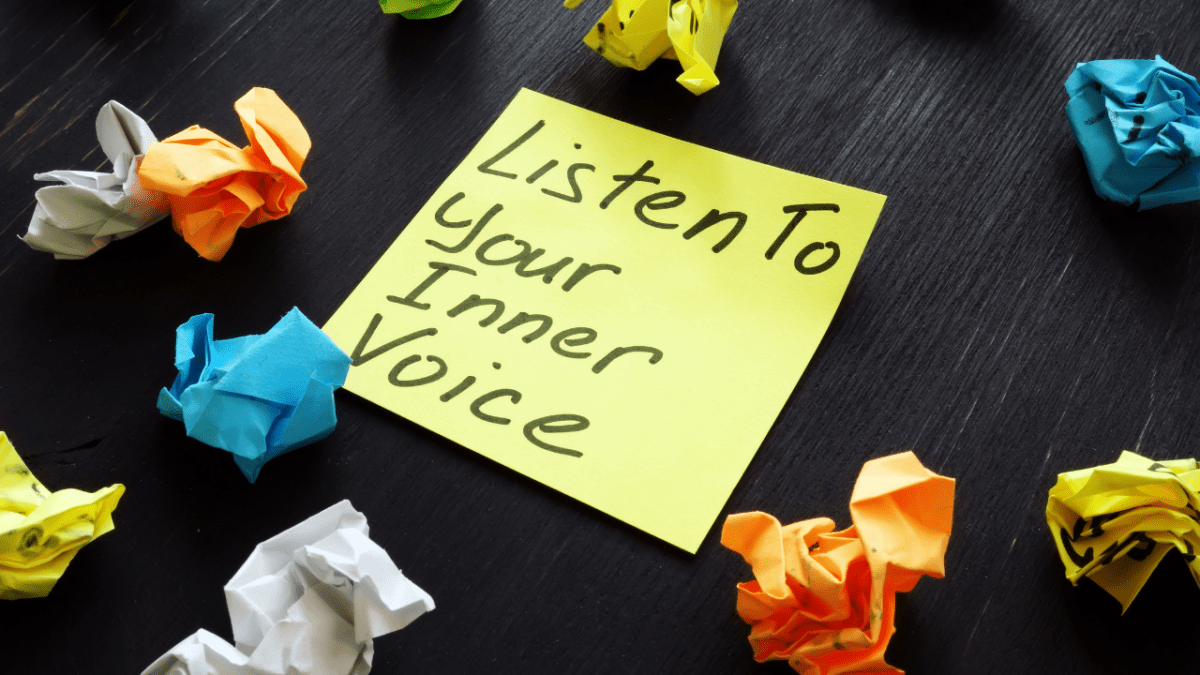
 We all have and hear that voice inside, harsh, demanding, and quick to point out every flaw we have. It says we should’ve done more, been better, and moved faster. Yet, here’s the truth: that voice isn’t always right. It’s often fear in disguise. 

Resilience begins when you stop battling your inner critic and start listening to it with compassion and understanding. What would you say to a friend in your shoes? Say that to yourself. 

Gentleness doesn’t mean weakness; it means giving yourself the grace to be human. You’re doing the best you can with what you have, and that is always enough. Speak kindly. You deserve your tenderness.

The Body Remembers—So Move It.

 Emotions don’t just live in your mind; they settle in your body. Stress can show up as tight shoulders, a clenched jaw, or fatigue. Movement is a way to release what words can’t always express. 

You don’t need intense workouts; gentle stretching, walking, dancing in your kitchen, or simply standing and breathing deeply can help. Movement shifts your energy and clears emotional clutter. It reminds your body that you’re not stuck. You’re moving forward both literally and emotionally. 

When words aren’t enough, let your body speak. It knows what healing feels like. And every stretch is a step toward peace. 

Let It Be “Good Enough” 

Perfection is a target we are usually unable to reach. It is because everyone you meet will have a different idea of what perfection is. Trying often leads to burnout, not brilliance. 

Sometimes, “good enough” is more than enough. Did you try? Did you care? That matters more than flawless execution. Resilience means knowing when to stop pushing and start accepting. Your worth does not rest on how perfectly you perform.

It’s okay to release the pressure and rest in what you’ve already done. Be proud of your effort, not just your outcomes. Life isn’t a test—it’s a journey. And showing up, even imperfectly, is a considerable act of courage and strength. 

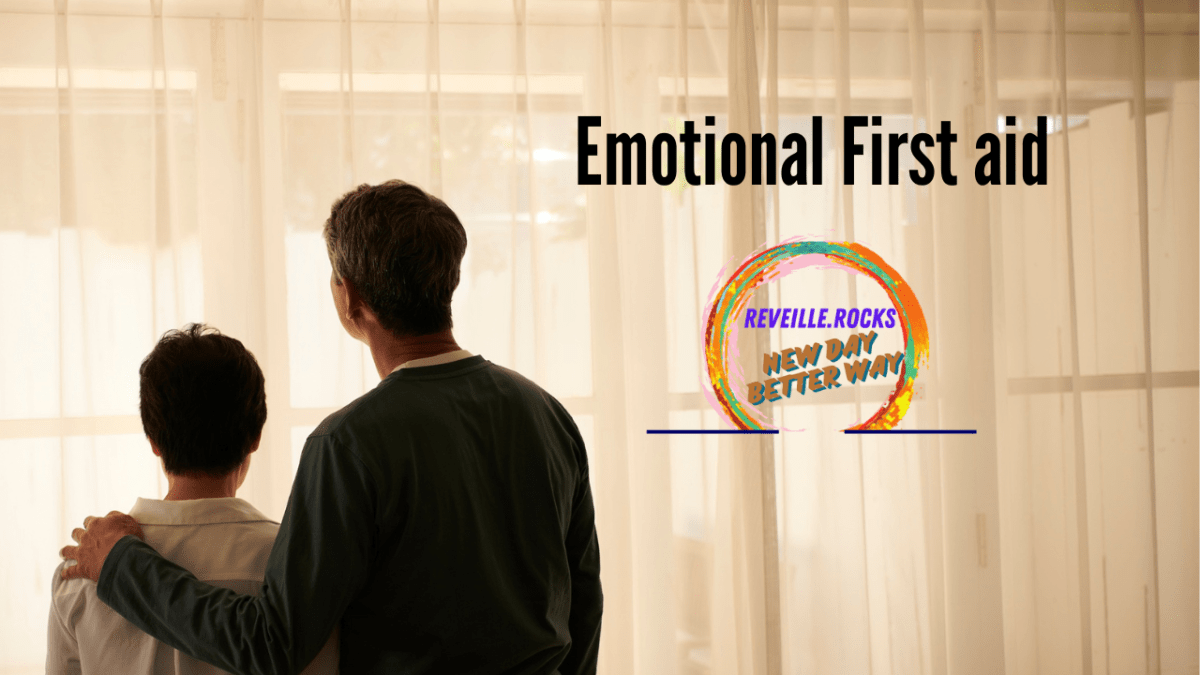
Emotional First Aid

When your body gets hurt, you know to clean the wound and protect it while it heals. Your emotions deserve the same kind of care. 

Too often, we bury feelings like sadness, anger, or fear, hoping they’ll disappear on their own. But emotions, like physical pain, are signals, not problems. They’re asking for your attention. 

When something hurts inside, pause. Name what you’re feeling without judgment. Ask yourself what you need: comfort, space, support? Treat yourself the way you’d care for a hurting friend. That’s emotional first aid: offering yourself kindness instead of criticism. Healing begins when we tend to what hurts.

July 4: Independence Through Inner Strength 

Independence isn’t just about doing things alone—it’s about owning your response to life’s challenges. Emotional autonomy means you can sit with discomfort, make decisions rooted in your truth, and know your worth even when others don’t see it. 

On this day of national freedom, it’s a good time to reflect: where do I feel free in my life? Where do I still feel stuck? Resilience gives you choices—to pause instead of react, to leave what harms you, to believe in your healing. That’s a kind of freedom you carry within you, wherever you go.

The Power of Micro-Wins 

You don’t need to climb mountains to be resilient. Real wins are created by doing the things you don’t want to do, and yet know that you should accomplish. 

We tell ourselves, “I’m still showing up.” And that’s the foundation of resilience, showing up for yourself, over and over, no matter how slow the progress feels. As you work according to your needs, you will win and have them.

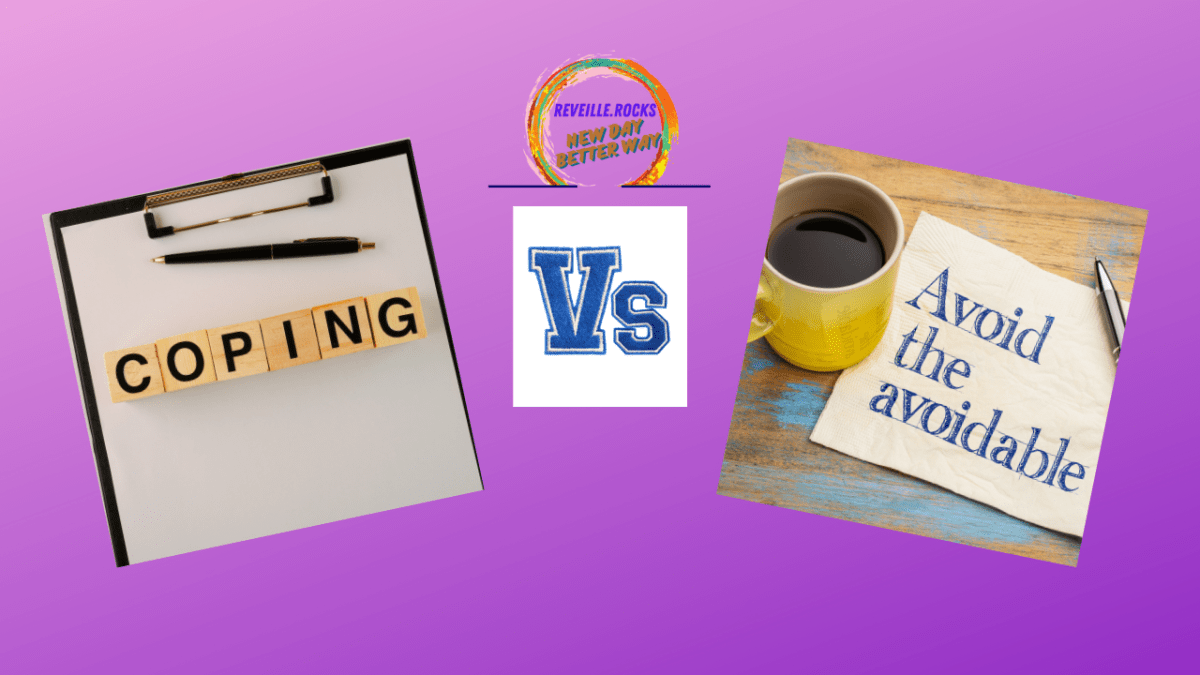
Coping vs. Avoiding

If you know the difference between coping and avoidance, they do appear similar at first; yet, their effects are distinctly different. 

Coping helps you process stress in healthy ways, such as taking a walk, journaling, venting to a friend, or practicing mindfulness.

 Avoiding might involve ignoring problems, binge-watching TV, or numbing out with distractions. 

The difference? Coping moves you forward. Avoiding holds you still or pulls you backward. There’s no shame in distraction now and then, but it’s essential to notice when it becomes a pattern. 

Real coping takes courage and compassion. It’s saying, “This hurts, and I’m going to face it anyway—with love.”