Gratitude and Change: Embracing Life’s Transitions

Gratitude and change are intertwined forces that shape our lives. Embracing life’s transitions with a grateful heart allows us to navigate experiences with grace and resilience. Change, whether anticipated or unexpected, often brings uncertainty. In these moments, gratitude becomes a powerful tool, grounding us in the present and illuminating the positive aspects of our journey.

    Acknowledging the good amidst change fosters a sense of stability. Each transition is an opportunity for growth, and gratitude helps us recognize the lessons and blessings accompanying us, even in the most challenging times and shifts. If we focus on what we have, we cultivate a mindset of abundance, attracting more positivity into our lives.

    In essence, gratitude transforms the way we perceive change. It encourages us to embrace new beginnings with hope and optimism, ultimately enriching our lives and deepening our appreciation for the ever-evolving tapestry of existence.

    How to Express Gratitude in a Digital Age

    In today’s digital age, expressing gratitude can be instantaneous and impactful. A simple yet thoughtful way to show appreciation is through personalized emails beyond generic thanks. Tailor your message to highlight specific actions or qualities you are grateful for, making the recipient feel genuinely acknowledged.

    Social media platforms also offer a public venue to express thanks, adding a layer of acknowledgment that can amplify positive vibes. A shoutout on Instagram or a thoughtful post on Facebook tagging the person you’re grateful to can make their day and inspire others to spread kindness.

    Lastly, digital gift cards or e-vouchers are excellent tokens of appreciation that can be sent instantly across distances. They allow recipients to treat themselves conveniently, making your gratitude practical and delightful. In this fast-paced era, these small gestures of thanks can strengthen connections and brighten days, embodying the timeless spirit of gratitude in modern, digital forms.

    The Environmental Benefits of Living Gratefully

    Living gratefully enhances our mental well-being and promotes significant environmental benefits. When we appreciate what we have, we are less likely to succumb to the consumption-driven culture and waste that leads to environmental degradation. A grateful mindset encourages us to use resources wisely, reducing our ecological footprint.

    Gratitude fosters a deep connection with the environment by making us aware of nature’s gifts and our responsibility to protect them. This awareness leads to more sustainable choices, such as recycling, Gratitude and Forgiveness, Healing Old Wounds, conserving water, and reducing energy consumption. Moreover, grateful living often involves buying less and choosing items with less packaging or more durable, significantly reducing waste.

    By embracing a lifestyle of gratitude, we contribute to a healthier planet. It’s a simple yet profound way to live that enriches our lives and ensures a better world for future generations.

    Grateful Leadership: Inspiring Your Team with Thankfulness

    Grateful leadership is a transformative approach centered on appreciation and recognition to motivate and inspire team members. At its core, this leadership style involves consistently acknowledging each team member’s hard work and contributions to a positive workplace where everyone feels valued.

    When leaders express genuine thankfulness, it boosts morale and enhances engagement and loyalty. This approach encourages a mutual respect and collaboration culture, where feedback and achievements are celebrated.

    Implementing grateful leadership can be as simple as starting meetings with shout-outs for recent successes or sending personalized thank-you notes for exceptional efforts. These actions show high- -performance levels and take ownership of their roles. Ultimately, leading with gratitude enriches workplace relationships and drives the team toward greater success.

    The Art of Keeping a Gratitude Journal: A Step-by-Step Guide

    When negativity often overshadows positivity, keeping a gratitude journal becomes a beacon of light, guiding 

    us toward a more joyful and fulfilled life. This simple yet profoundly impactful practice encourages us to focus on the good, fostering a sense of appreciation for what we often take for granted.

    1. Choose a journal that resonates with you. Whether it is a plain notebook or one with inspirational quotes, select something that inspires you to write.

    2. Set aside a few minutes each day to reflect on your experiences. Morning or evening, find a quiet moment to ponder the day’s events, focusing on positive moments, no matter how small.

    3. Write down at least three things you are grateful for daily. These can range from significant life events to simple pleasures like a warm cup of tea or a peaceful walk.

    Regularly practicing gratitude shifts perspectives, opening our hearts to a world of positivity and abundance. A gratitude journal is not just a record of joyful moments but a pathway to a happier, more contented life.  

     Strategies for Developing a Strong Online Presence

    Today, your online presence is vital. Think of the internet today as the village square where everyone finds out what is happening. Below are four ways to help you build and enhance your online presence:

    When you develop content, ensure it is consistently valuable and relevant across all your platforms. Content could include blog posts, videos, or social media updates that showcase your expertise and engage your audience.

    Engage with your audience, respond to comments, participate in discussions, and foster connections. Building genuine relationships online strengthens your presence and fosters trust.

    Use SEO techniques to make your content easily discoverable. Do keyword research to optimize your website and social media to improve your search results.

    Leverage many platforms, such as social media, industry forums, and online communities, to expand your presence. Diversify to help reach a broader audience and increase your brand’s exposure.

    By consistently implementing strategies like these, you can develop a solid online presence that better represents your brand and attracts your target audience.

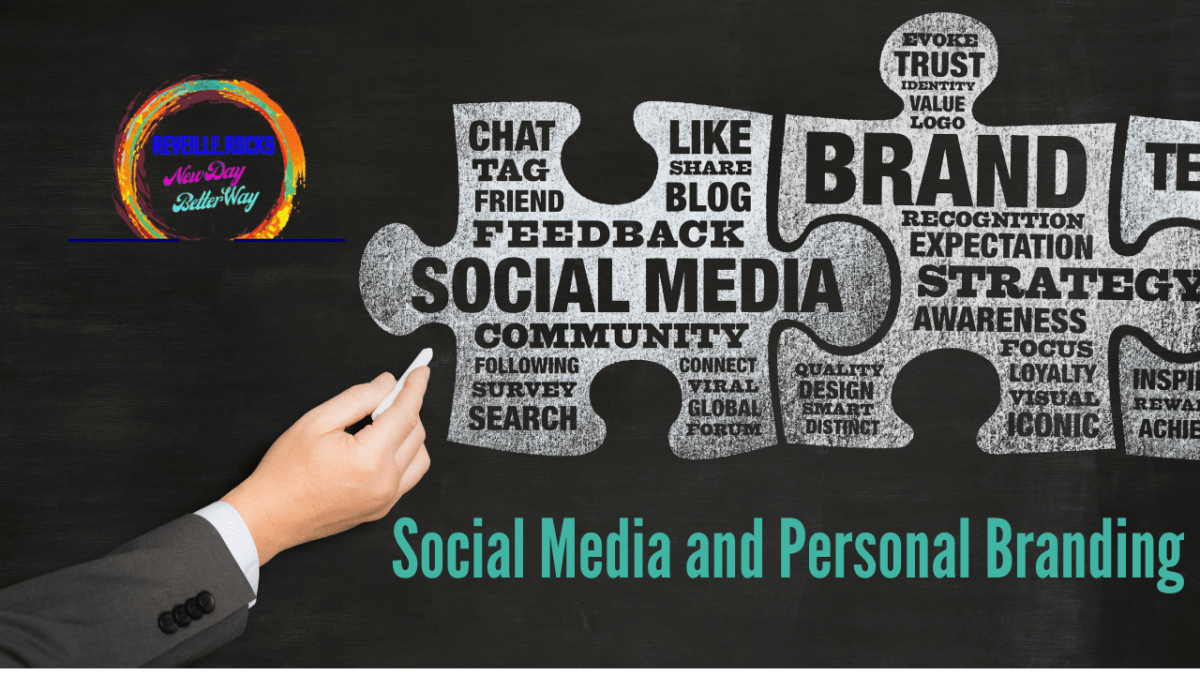
    The Role of Social Media in Building Your Personal Brand

    In today’s digital age, social media is a pivotal platform for individuals aiming to build and enhance their personal brand. This dynamic tool creates a unique digital identity, enabling users to showcase their skills, passions, and expertise to a global audience. Through platforms like LinkedIn, Twitter, Instagram, and Facebook, professionals can engage with their community, share content, and become established as thought leaders in their respective fields.

    The key to effectively leveraging social media lies in consistency and authenticity. Regularly updating your profiles with relevant content helps keep the audience engaged while being genuine in your interactions fosters trust and reliability. Moreover, social media provides an exceptional opportunity to network with industry peers, potential employers, or clients, further amplifying your personal brand’s reach and impact.

    In essence, social media is not just a tool for socializing but a strategic asset in building a robust personal brand. By mindfully curating your online presence, you can unlock doors to countless opportunities and carve a distinctive identity in the digital realm.

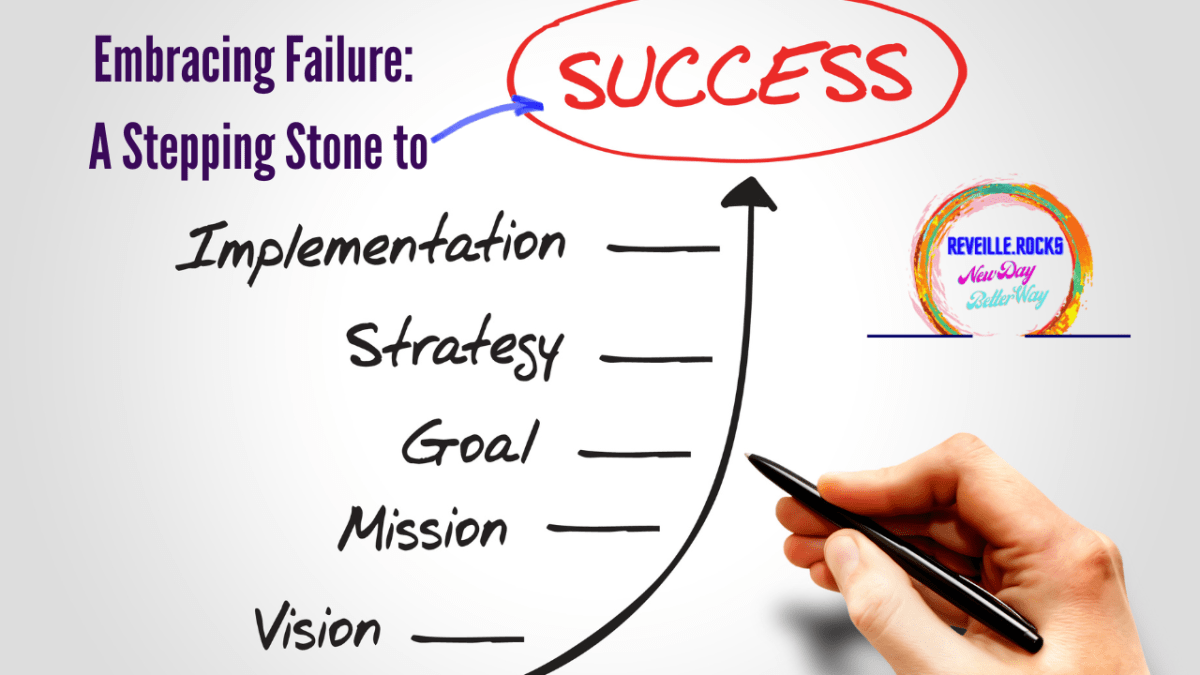
    Embracing Failure: A Stepping Stone to Success

    Failure is often viewed as a negative experience, something to avoid. However, embracing failure and learning from it is a learning opportunity that leads to personal growth and success. When we fail, we can reflect on our actions, understand what went wrong, and make adjustments for the future.

    One key benefit of embracing failure is that it builds resilience. By facing setbacks head-on and learning from them, we develop the strength to persevere in facing challenges. Failure fosters creativity and innovation, pushing us to think outside the box and try new approaches.

    Instead of fearing failure, we should welcome it as a necessary part of the journey towards success. By shifting our mindset and embracing failure as a learning opportunity, we can grow personally and professionally, ultimately paving the way for remarkable achievements in the future.

    Unplugging From Technology

    In today’s fast-paced world, it’s easy to become consumed by technology. From smartphones to laptops, we constantly find ourselves connected to screens, notifications, and information overload. However, taking the time to unplug from technology can benefit our mental and physical well-being.

    Unplugging helps us disconnect from the digital world’s constant distractions and noise. The important thing is it gives our minds a chance to rest and recharge. It provides an opportunity to be present in the moment, engage in face-to-face interactions, and appreciate the world around us. Whether walking in nature, reading a book, or practicing mindfulness, unplugging can help reduce stress, improve focus, and enhance creativity.

    So, consider taking a break when you feel overwhelmed by technology. Set aside time daily to disconnect, be mindful, and enjoy life’s simple pleasures. Unplugging is the reset you need to feel more balanced, connected, and content in today’s tech-driven society.

     Building Healthy Relationships

    Building healthy relationships is crucial to leading a fulfilling life. Communication, trust, respect, and mutual support are key pillars in fostering solid and meaningful connections with others. By actively listening to one another, expressing emotions openly, and practicing empathy, individuals can create an environment of understanding and compassion in their relationships.

    Trust is the foundation of healthy relationships. Reliability, honesty, and consistency are essential to building and maintaining trust with others. Respect is another vital component, as it involves valuing each other’s opinions, boundaries, and autonomy. By showing respect, individuals can cultivate a sense of appreciation and admiration for one another.

    Moreover, providing support and encouragement during both good times and bad can strengthen the bond between individuals. Being there for each other, offering a helping hand, and celebrating successes together can deepen the connection and create a sense of unity. Building healthy relationships requires effort, commitment, and an Ability to prioritize the well-being of all involved. When nurturing these relationships, individuals can experience greater happiness, fulfillment, and emotional support.