
Time in Nature

Time in nature is a refreshing and rejuvenating experience. Whether hiking in the mountains or walking in the park, being surrounded by the beauty of nature. It helps reduce stress, improve mood, and boost overall well-being. Spending time out in nature can also improve cognitive function and creativity.

One of the best benefits of spending time in nature is that it is the perfect place to turn off technology and relax. Getting away from constant technology bombardment can help reduce feelings of anxiety and allow for a sense of calm and relaxation. Additionally, being in nature can provide a sense of awe and wonder as we see the beauty and complexity of the natural world.

Whether a short walk in a local park or a challenging hike in a national forest, spending time in nature can benefit physical and mental health. So, next time you feel overwhelmed or need a break, consider heading outside and immersing yourself in the natural world.


Gratitude Journaling

Building a gratitude journal is an easy and powerful act that can help you make a positive mindset and improve your well-being. By taking a few minutes each day to reflect on your gratitude, you can train your brain to focus on the good in your life and develop a greater sense of appreciation and contentment.

To begin your gratitude journal, set aside a few minutes each day and our gratitude journal to write down a few things you find yourself grateful for. These can be big or small, simple or complex, and include anything from a kind gesture from a friend to a beautiful sunset or a delicious meal.

Practicing gratitude has numerous benefits, such as improved mood, reduced stress, and better sleep. When focusing on the positive aspects of your life, you can train yourself to see the world in a more positive light and enjoy a greater sense of happiness and fulfillment.

So why not give it a try? Grab a notebook or start a gratitude journal app and begin reflecting on what you are grateful for each day. You may be surprised at how quickly you begin to notice the good in your life and feel more content and fulfilled.

The Joy of Learning: How to Foster Lifelong Curiosity

Learning is not just a means to an end but a lifelong journey that can bring joy and fulfillment. There are several steps you can take to foster a love of learning and curiosity that lasts a lifetime.

Make learning fun. Incorporate games, puzzles, and other interactive activities into your learning routine. Doing so will help make learning enjoyable and engaging.

Find your passions. It will help you see the relevance of your learning and make it more meaningful.

Seek out new experiences and challenges. Step out of your comfort zone and try new things. It helps to keep your mind active and prevent boredom.

Finally, surround yourself with other curious and motivated learners. Join a book club, attend lectures or workshops, or participate in online forums. It helps to keep you inspired and motivated.

By taking these steps, you can foster a love of learning and curiosity that will enrich your life and help you continue to grow and develop.

The Connection Between Confidence and Happiness: How to Boost Both

Confidence and happiness are two emotions that are closely intertwined. People confident in themselves and their abilities are happier and more fulfilled. The good news is that confidence and happiness are both qualities that can be cultivated and improved with practice.

One way to boost your confidence and happiness is to set achievable. It includes taking care of yourself physically, emotionally, and mentally. Exercise regularly, eat a healthy diet, get enough sleep, and take time to do things you enjoy. When you feel good about yourself, you are more likely to be confident and happy.

Surround yourself with positive, supportive people. Being around people who believe in you and support your goals can give you the confidence boost you need to succeed. As you grow, you will be happier and more confident in yourself and your abilities.

The Art of Letting Go: How to Release Negative Thoughts and Emotions

Negative thoughts and emotions often overwhelm and hold us back from living our best lives. We must recognize that we can let go of these thoughts and emotions. The art of letting go involves accepting the situation, acknowledging the feelings that come with it, and then releasing them.

One way to release negative thoughts and emotions is through mindfulness practices such as meditation. By focusing on our breath, we can become aware of the thoughts and feelings the thoughts provoke as they arise, and then we can let them go. Another effective method is journaling, which allows us to express our thoughts and emotions on paper and then release them.

It is also important to surround ourselves with positive people and experiences. Positivity can help us to shift from negative feelings to the positive aspects of our lives. Also, we must practice self-compassion and forgiveness. We are all human and make mistakes, and it is important to let go of any self-judgment and move forward with kindness and understanding.

An excellent skill to learn and practice is letting go of negative thoughts and emotions. By accepting our emotions and practicing mindfulness, positivity, and self-compassion, we can release negative thoughts and feelings and live a happier and more fulfilling life.

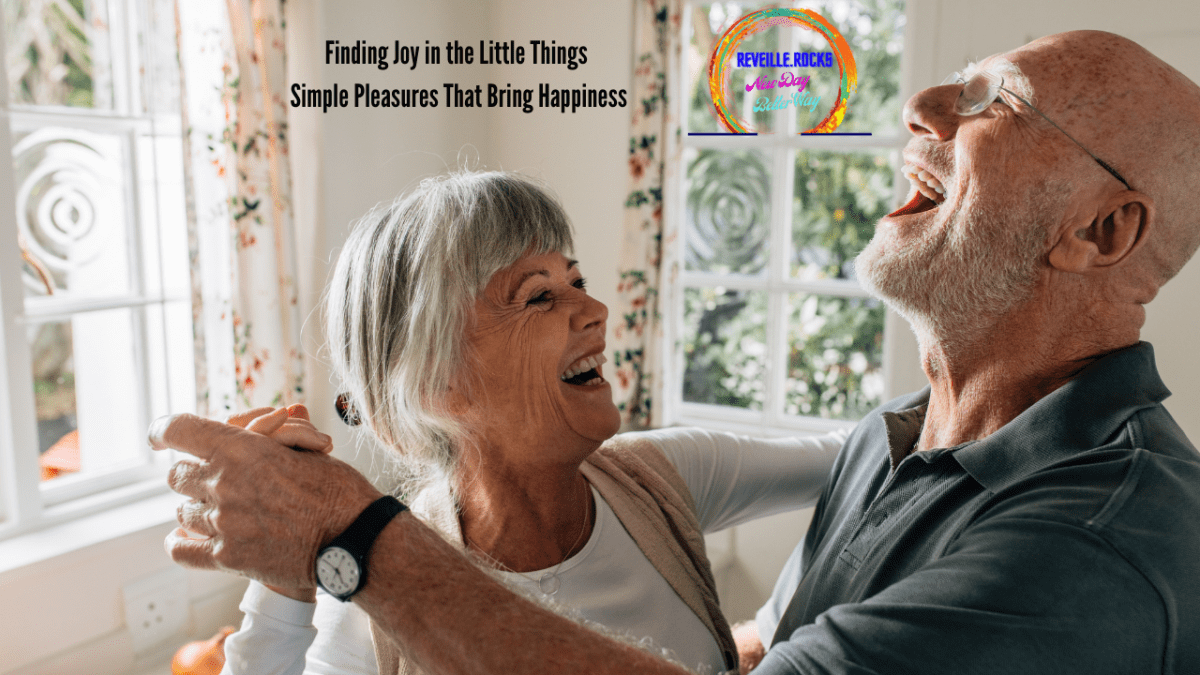
Finding Joy in the Little Things: Simple Pleasures That Bring Happiness

In our high-speed world, it’s easy to find ourselves in the daily hustle of life. Occasionally, we forget to relax and enjoy the simpler things that bring us joy. Finding joy in the little things can help us stay grounded and enjoy life to the fullest.

Simple pleasures such as sipping a warm cup of tea, walking in nature, or reading a good book can bring happiness. These activities may seem mundane, but they can provide comfort and relaxation.

In addition, spending time with loved ones, whether having a picnic or watching a movie, can bring us joy and foster deeper connections. It’s essential to make time for these simple pleasures and prioritize our well-being.

Finding joy in the little things often leads to a happier and more fulfilling life. Appreciating the small moments that make life worth living takes little.

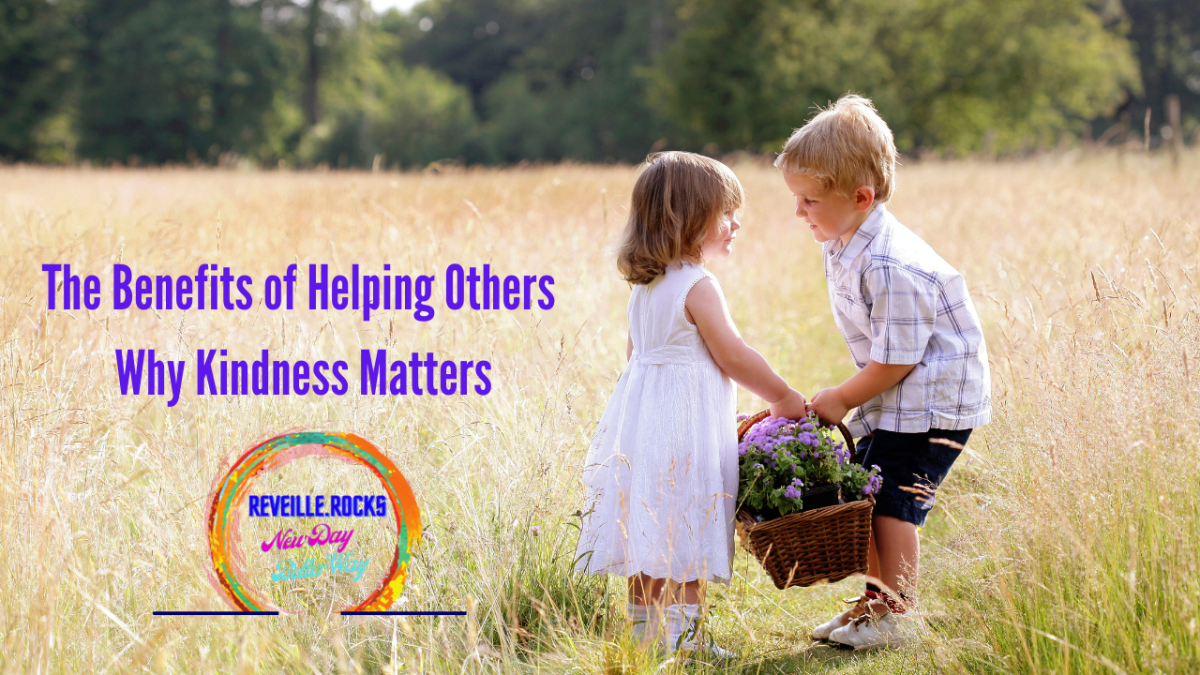
The Benefits of Helping Others: Why Kindness Matters

Helping others is often seen as a selfless act, but it can benefit both the person giving and the person receiving. Kindness can increase happiness, reduce stress and anxiety, and improve physical health. When we help others, we also tend to form stronger relationships and a sense of community, which can lead to a greater understanding of purpose and fulfillment.

Studies have shown that acts of kindness often release positive hormones like serotonin and oxytocin, which can positively impact mental health. Volunteering or donating to a cause can provide a sense of accomplishment and boost self-esteem. Helping others can also lower stress levels by promoting a sense of connection and social support.

Not only does helping others benefit our well-being, but it can also have a ripple effect on society as a whole. Acts of kindness often inspire others to do the same, creating a more compassionate and supportive community. So, next time you have the opportunity to lend a helping hand, remember that kindness matters and can positively impact yourself and those around you.

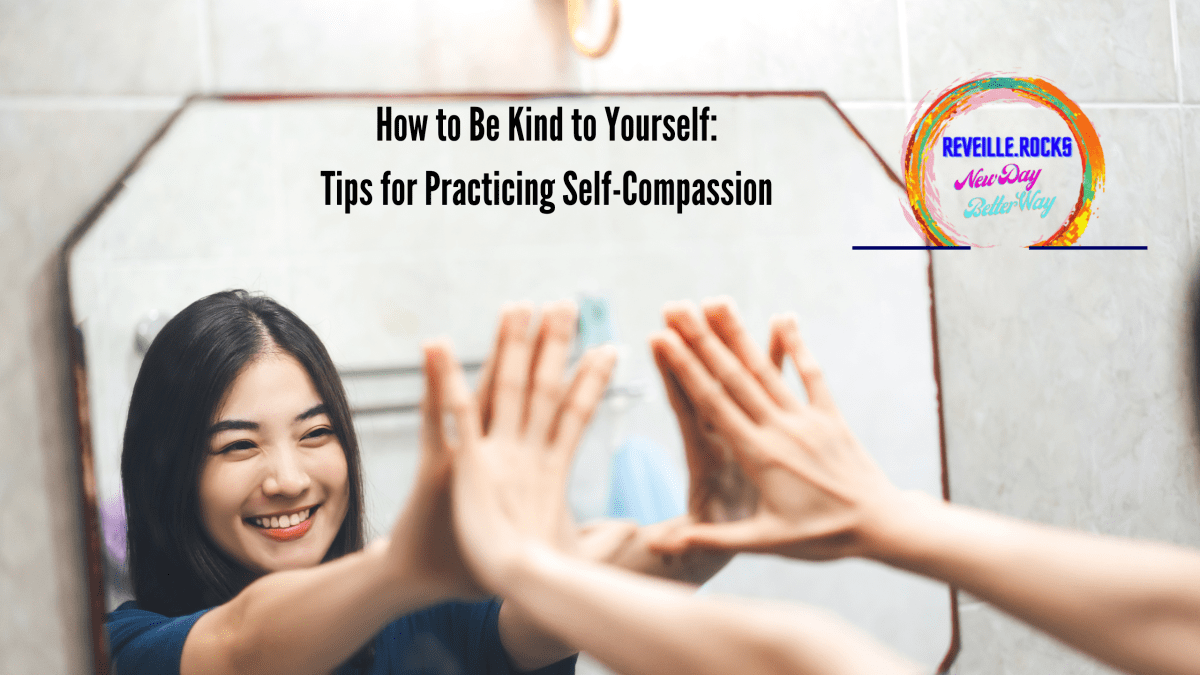
How to Be Kind to Yourself: Tips for Practicing Self-Compassion

We all have moments when we feel stressed, anxious, or overwhelmed. It’s important to remember to be kind to yourself during these times. Practicing self-compassion can ease these negative feelings and allow us to move forward with a more positive outlook.

Reframing negative self-talk is one way to practice self-compassion. Instead of beating yourself up over a mistake, try speaking to yourself like a friend.

You wouldn’t tell a friend they were worthless over a small error, so why say it to yourself?

Another way to show yourself kindness is to prioritize self-care. Self-kindness could mean taking a bubble bath, reading a good book, or taking deep breaths. Whatever makes you feel relaxed and rejuvenated, make time for it in your schedule.

Finally, it’s important to remember that perfectionism is not the goal. We all make mistakes and have flaws, and that’s okay. Accepting yourself for who you are, flaws and all, is one of the most compassionate things you can do for yourself.

The Power of Gratitude: Finding Joy in Everyday Moments

Gratitude is a compelling emotion. It can bring immense joy and positivity to our lives. When focusing on why and what we have gratitude for, we can shift our perspective from negativity to positivity and find joy in even the most mundane moments.

Many cultivate gratitude using a daily gratitude practice. It can involve taking a few minutes each day to reflect on what you are thankful for, whether it’s the people in your life, your health, or the simple pleasures like a warm cup of coffee in the morning.

Another way to practice gratitude is to express it to others. Whether a heartfelt thank you to a friend or a kind gesture to a stranger, expressing gratitude can make others feel appreciated and boost our well-being.

When making gratitude a regular part of our lives, we find joy and happiness in everyday moments and cultivate a more positive outlook. So take a moment today to reflect on what you are grateful for and see how it can transform your day.

How Positive Thinking Can Change Your Life

The science of happiness has been researched for decades. Scientists have proven that positive thinking can change your life. As we experience positive emotions, our brain releases special chemicals like dopamine, oxytocin, and serotonin that help us feel good. These chemicals improve our mood and positively impact our overall health and well-being.

Studies show that people who practice positive thinking are more likely to have better relationships, be more resilient, and have higher levels of life satisfaction. Positive thinking can also significantly impact our physical health, reducing stress and improving our immune system.

One way to cultivate positive thinking is by practicing gratitude. By focusing on what we are thankful for, we can move our negative mindset to a very positive one. Another way is to surround ourselves with positive people and environments that encourage us to think positively.

There is no doubt. The science of happiness shows that positive thinking can improve our lives. We can improve our relationships, health, and well-being by cultivating positivity and gratitude.