

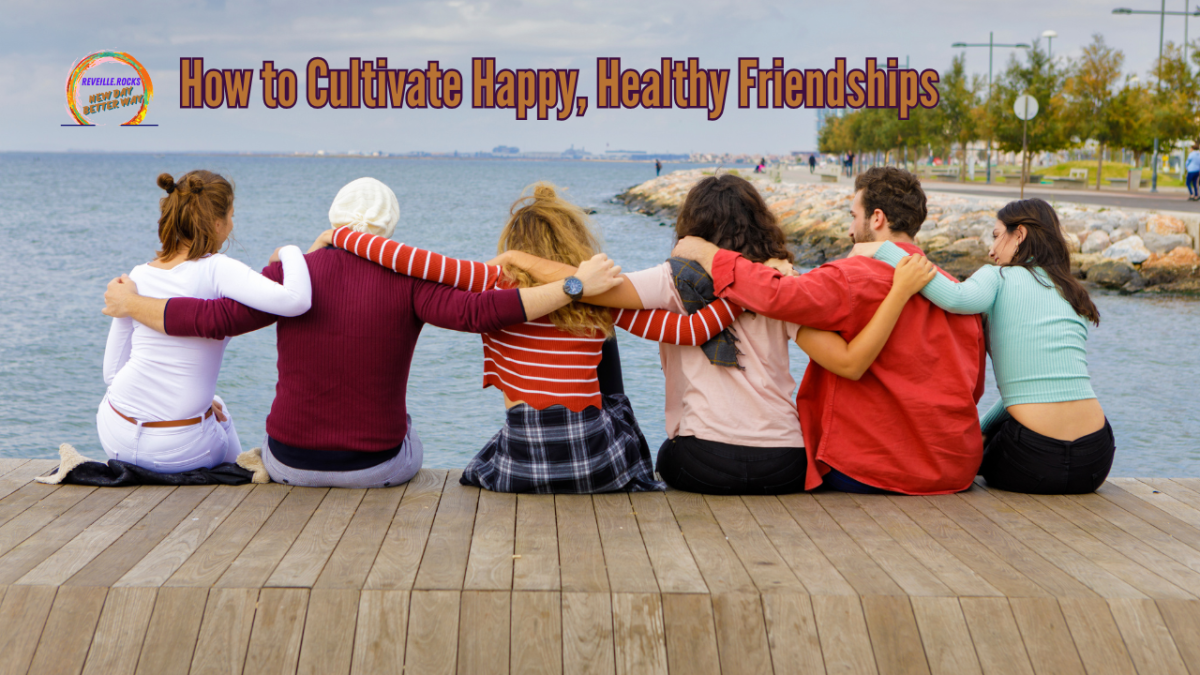
- Healthy relationships need free-flowing communication is required.
- Gratitude strengthens bonds and boosts relationship satisfaction.
- Setting boundaries encourages mutual respect and helps prevent resentment.
- Quality time together, even in small doses, fosters emotional intimacy.
- Conflict is always a part of life. As you learn and use healthy ways to navigate disagreements, happy, healthy friendships grow.
Forgiveness Brings Long-Term Joy

Forgiveness reduces stress and anxiety by breaking cycles of resentment and anger. Holding onto grudges is linked to increased risks of heart disease and high blood pressure, as evidenced by scientific studies.
However, forgiveness does not mean forgetting. By forgiving, you free yourself from emotional burdens. Those who forgive often enjoy healthier relationships and greater emotional well-being.
Learning to forgive fosters empathy and compassion, aiding in the healing of emotional wounds. Research indicates that self-forgiveness is equally vital for lasting happiness and personal fulfillment growth.
How Acts of Kindness Bring Us Closer
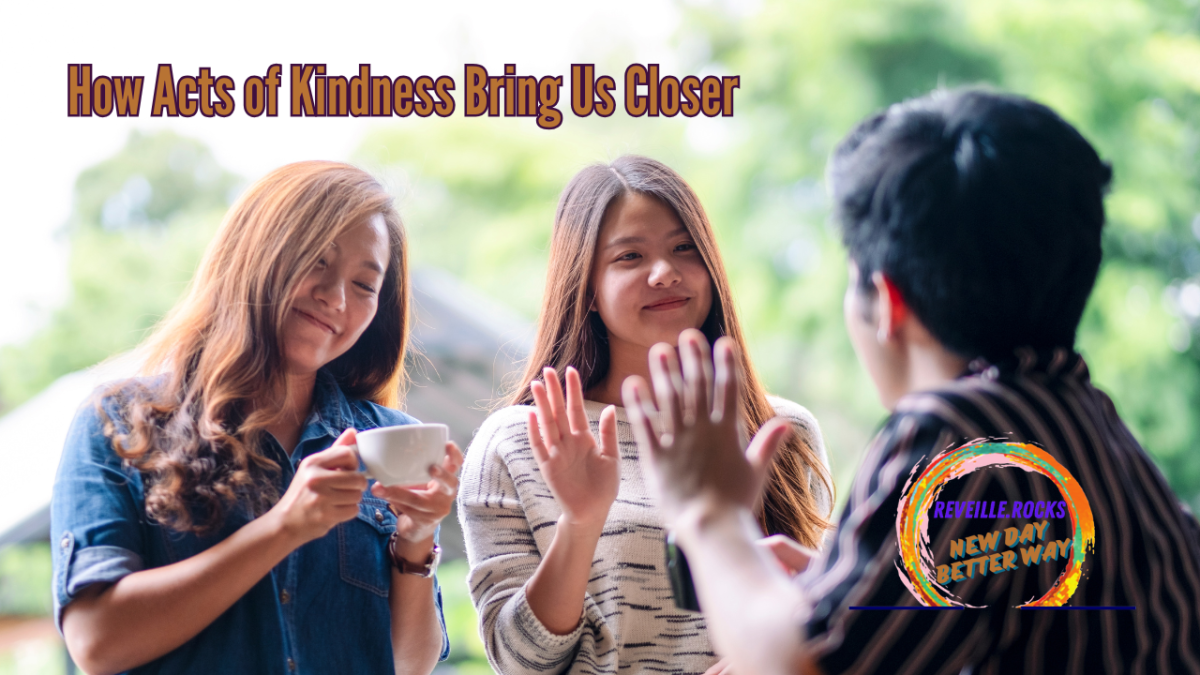
Doing an act of kindness triggers the release of serotonin and dopamine, improving our mood for both the giver and the receiver. Kindness will create a ripple effect; witnessing it inspires others to act kindly, multiplying its impact.
Simple acts, like a smile or compliment, can strengthen relationships and build trust. People who practice regular acts of kindness report greater life satisfaction and lower stress levels.
Being kind improves self-esteem by reinforcing a positive sense of identity and purpose. Studies show communities with higher levels of altruism are often happier and more resilient.
Connection Is the Key to Lasting Happiness
Humans, that’s us, require connection with others of our kind just to survive. Our brains make oxytocin, the “bonding hormone,” during positive social interactions. For us to do well,
Loneliness accounts for an increased risk of early mortality. Knowing the danger of dying early, having some connection with others becomes a key factor for long-term health.
Strong social bonds increase resilience, helping us navigate life’s challenges more easily. Meaningful connections also foster a sense of belonging, reducing feelings of isolation and depression.
People with robust social networks are happier and more satisfied with life. Digital connections can complement in-person relationships but cannot fully replace the emotional depth of face-to-face interactions. We should enjoy spending time with others.
February Is Here

Hi everyone! January has left us, and February is now on the scene. I am excited because of all the Great things that February brings. For a short month, it has a lot to offer.
There are Presidents Day and Valentine’s Day, for two. I am planning a great set of Blogs for the month, and this month’s course is
“Relationships That Bring You Joy.”
I do not want to waste too much of your time, so I will give you more news and thoughts as they arise. Thank you for taking the time to read this. Mike
Try Practicing Some Gratitude in the Age of Social Media

Social media can be a double-edged sword. While it connects us, it often triggers unhealthy comparisons, making us feel “less than” when we see others’ highlight reels. Gratitude, however, can shift our perspective from envy to appreciation.
Start by curating your feed. Find accounts that inspire you and that you find uplifting:
- Avoid those sites that make you feel inadequate.
- Practice gratitude for others while scrolling.
- Reflect on what you have rather than what you lack.
For example, if you see someone’s vacation photos, appreciate your recent memories or the comforts of home.
It is also crucial to step away from social media periodically and reflect on your life’s joys. These include talking with others, good food, and triumphs.
Express your gratitude openly. Genuinely compliment others in comments or share your moments of thankfulness. Doing so will create a positive community and shift the focus from competition to connection.
Gratitude helps us recognize everyone’s journey as unique and valuable. By focusing on our blessings instead of comparisons, we can cultivate contentment and enjoy a healthier relationship with social media.
You are happier when you are Thankful

Scientific research supports gratitude’s profound impact on mental and physical well-being. When you practice gratitude, your brain releases feel-good chemicals that enhance mood and reduce stress. Over time, focusing on what you’re thankful for helps rewire your brain to notice positivity more naturally, creating a lasting sense of happiness.
Studies have found that gratitude improves sleep, lowers blood pressure, and strengthens the immune system. It also enhances resilience, enabling people to cope better with challenges. Psychologically, gratitude reduces feelings of anxiety and depression by shifting attention from what is lacking to what is abundant.
Gratitude benefits individuals and strengthens relationships. Show appreciation to your loved ones. Showing you care fosters better connections and mutual respect. Whether through a simple “thank you” or a heartfelt letter, gratitude creates positivity.
Incorporate gratitude into your life. It is easy. You can Keep a journal, share daily gratitude with a friend, or take a moment to reflect on your blessings. The benefits go beyond temporary happiness because gratitude helps build a more optimistic and fulfilling outlook.
Find the Silver Linings When Life Feels Tough

When you find yourself challenged, whether a business action needs to happen or a personal need that has put you on the spot, gratitude can feel out of reach, yet its power is often most transformative during hard times.
On tough days, it helps to focus on small, tangible things. A nice cup of coffee might help. Often, a kind text from a friend might hit the spot. You might have an extra hour in bed with a warm blanket. These moments remind us that although we have difficulties, pockets of good still exist.
You should view hardships as opportunities for growth. While this should not involve dismissing pain or thinking everything is fine, acknowledging what a struggle has taught you, such as resilience, patience, or empathy, may shift your perspective.
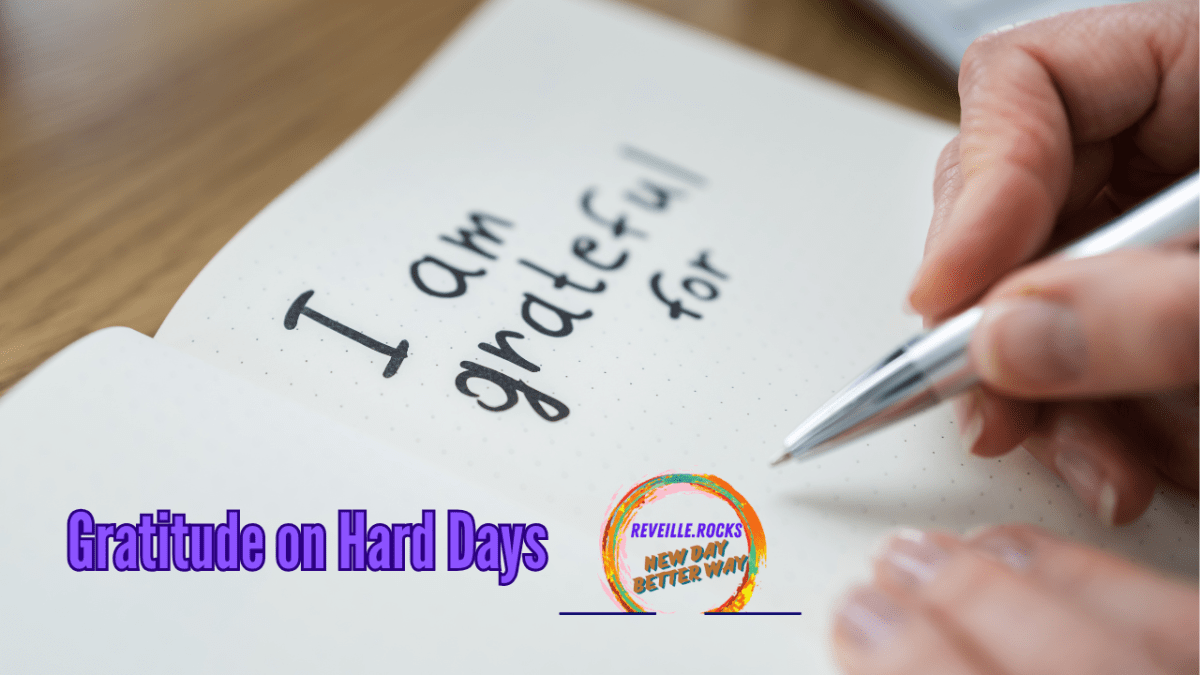
Journaling is another tool to lean on. Write down three things you’re grateful for, no matter how small. Remember, the challenge is what you face. How you handle the challenge is up to your grace.
Ultimately, gratitude does not mean ignoring the hard things; it focuses on hope, strength, and light in the cracks, one small silver lining at a time.
Gratitude on Hard Days
When you find yourself challenged, whether a business action needs to happen or a personal need that has put you on the spot, gratitude can feel out of reach, yet its power is often most transformative during hard times.
On tough days, it helps to focus on small, tangible things. A nice cup of coffee might help. Often, a kind text from a friend might hit the spot. You might have an extra hour in bed with a warm blanket. These moments remind us that although we have difficulties, pockets of good still exist.
You should view hardships as opportunities for growth. While this should not involve dismissing pain or thinking everything is fine, acknowledging what a struggle has taught you, such as resilience, patience, or empathy, may shift your perspective.
Journaling is another tool to lean on. Write down three things you’re grateful for, no matter how small. Remember, the challenge is what you face. How you handle the challenge is up to your grace.
Ultimately, gratitude does not mean ignoring the hard things; it focuses on hope, strength, and light in the cracks, one small silver lining at a time.
Ultimately, gratitude does not mean ignoring the hard things; it focuses on hope, strength, and light in the cracks, one small silver lining at a time.
How Baking Eases Stress and Brings Joy

Baking is more than creating delicious treats—it’s therapy in disguise. The process of measuring, mixing, and decorating engages your senses and grounds you at the moment.
Baking also provides a creative outlet, boosts self-esteem, and releases endorphins when you share your creations with others. As you smell the warm aroma of baked goods wafting through your house or apartment, you will find you are more comfortable. Thus making baking a perfect recipe for happiness.
 processimprovement.me