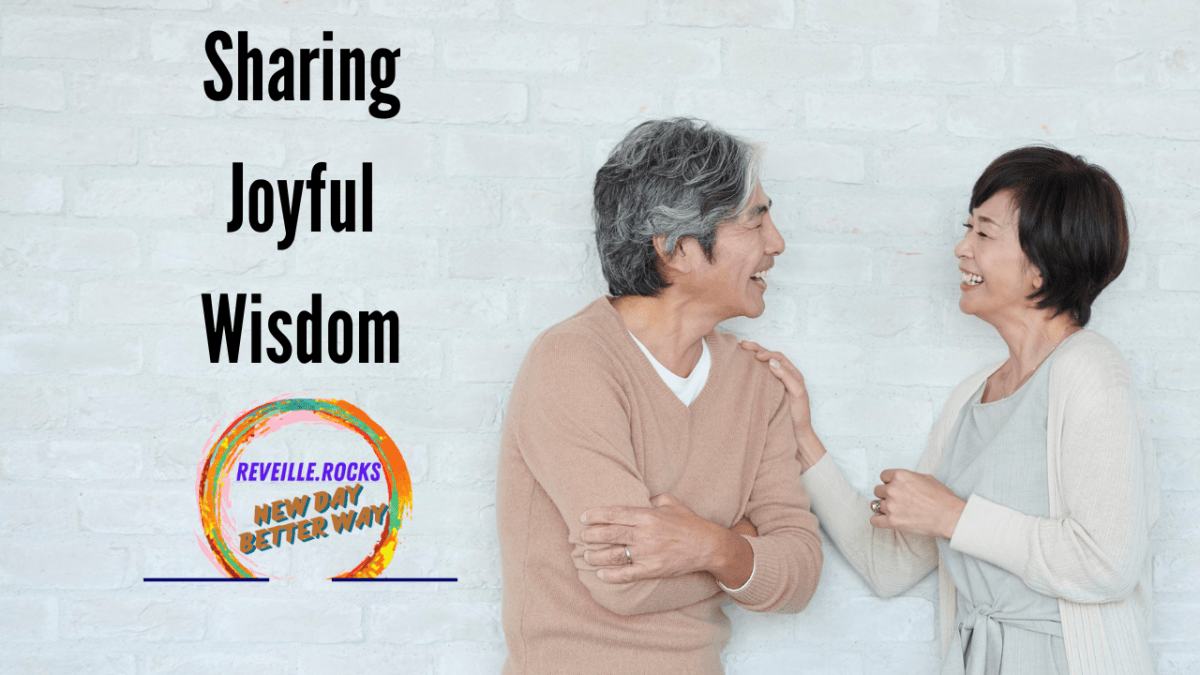
Sharing Joyful Wisdom

Your experiences hold wisdom that can inspire others. Every lesson you’ve learned and shared, every time you have overcome a struggle, and every moment of clarity you have could be a good lesson for someone else. 

Sharing wisdom is not having all the answers. Wisdom is the ability to offer sound perspective, encouragement, and kindness.

With a conversation, a kind gesture, or simply leading by example, you can help others navigate their journey. Don’t underestimate the power of your words and actions. Joy multiplies when shared, and wisdom passed down can change lives. Keep shining—you never know who needs your light.


How To Find Gratitude Every Day

How To Find Gratitude Every Day

Gratitude isn’t just a feeling—it’s a practice. Focusing on what’s missing is easy, but the real magic happens when you appreciate what’s already there.

 Start small: notice a kind gesture, enjoy a warm cup of coffee, or appreciate a good conversation. Keeping a gratitude journal can help, but so can simply pausing for a few seconds to acknowledge the good around you. 

Even on hard days, there’s something to be thankful for—a lesson learned, a moment of peace, or a supportive friend. The more you look for gratitude, the more you’ll find. And when gratitude becomes a habit, joy follows.

What You Give Up When You Go For The Happy Life

Choosing happiness often means letting go. You may have to give up toxic relationships, old habits, or even the comfort of complaining.

A happy life requires discipline—sacrificing instant gratification for long-term peace. It means saying no to negativity, walking away from drama, and choosing growth over staying the same.

You might give up fitting in with certain crowds, tolerating things that drain you, or believing limiting beliefs about yourself.

But what you gain—peace, fulfillment, and clarity—is worth so much more. Happiness is less about adding and more about subtracting what no longer serves you.

What You Can Learn By Observing Others

People are walking lessons. By watching how others react, handle stress, or treat those around them, we gain powerful insights—both about them and ourselves.

Notice how someone handles conflict—do they stay calm or react impulsively? Observe how successful people structure their day. Pay attention to those who radiate peace—what habits do they maintain? Learning doesn’t always come from books or direct experience; sometimes, it comes from simply paying attention.

Observing others can help us avoid mistakes, adopt better habits, and understand different perspectives. A good rule of thumb is to stay curious and open-minded. Every interaction, whether positive or negative, is an opportunity to grow.

Happiness: You Get What You Work At

Happiness isn’t something that just lands in your lap—it’s something you build, bit by bit. We often think joy should be effortless, but the truth is that the happiest people put in the work. 

Happy people practice gratitude, set boundaries, and choose their mindsets daily. Mindsets are like muscles—the more they exercise them, the stronger they become. 

Happiness is not avoiding pain.  It is facing challenges with resilience and learning sometimes hard lessons that will help you do better. 

Whether we maintain positive relationships, develop healthy habits, or pursue passions, every choice shapes our well-being. So, if happiness feels distant, ask yourself: What small steps can I take today? The effort you put in will shape the joy you experience.

 Respect the Boundaries of Others 

As humans, we like to be sociable and around others. However, there are also times when we want to be alone. Both situations are necessary. We must respect the needs of ourselves and others.

Needing time alone does not mean we are antisocial. It just means we need to organize our thoughts and ideas. Being social does not mean we are clingy or overbearing. We just need to share with others on occasion. 

Doing both is just part of our human nature. Both have good actions that help us get through life.

 Volunteering Is A Great Experience 

When you Volunteer, your work provides a sense of purpose that boosts overall life satisfaction. You are Helping others reduce stress by shifting focus from personal challenges to the greater good.

Studies show that volunteering is linked positively to lower rates of depression and anxiety. Acts of service foster community and create meaningful social connections.

Giving your time increases gratitude and perspective on your life. Volunteering also has physical benefits, including reduced blood pressure and complementary mental well-being.

Victories Are Best Shared

When you do something good for someone else, and it is appreciated, you win. It is a win whether the other person acknowledges it or not. You Know you did well. 

When you share your triumph with a friend or family member, you relive what happened, and the good feelings return and are shared. Now, all who hear the tale become enriched. 


Happiness and joy are all around us. We should not hide good deeds away when we can share the joy with those we love and care for.

How to Protect Your Happiness in Toxic Relationship

To protect yourself from toxic relationships, you need to Recognize toxic behaviors, take appropriate countermeasures, and make healthy choices.

Recognition: If you feel you are being manipulated, setting and enforcing boundaries is the first step to protecting yourself. It helps maintain your emotional health.

Countermeasures: Surrounding yourself with supportive friends and family provides balance and perspective. Self-care practices, like therapy or mindfulness, strengthen resilience against negativity.

 Use Healthy Choices: Knowing when to step away is often the healthiest choice, even if it means ending a toxic relationship.

Take good care of yourself. You are your first line of defense.

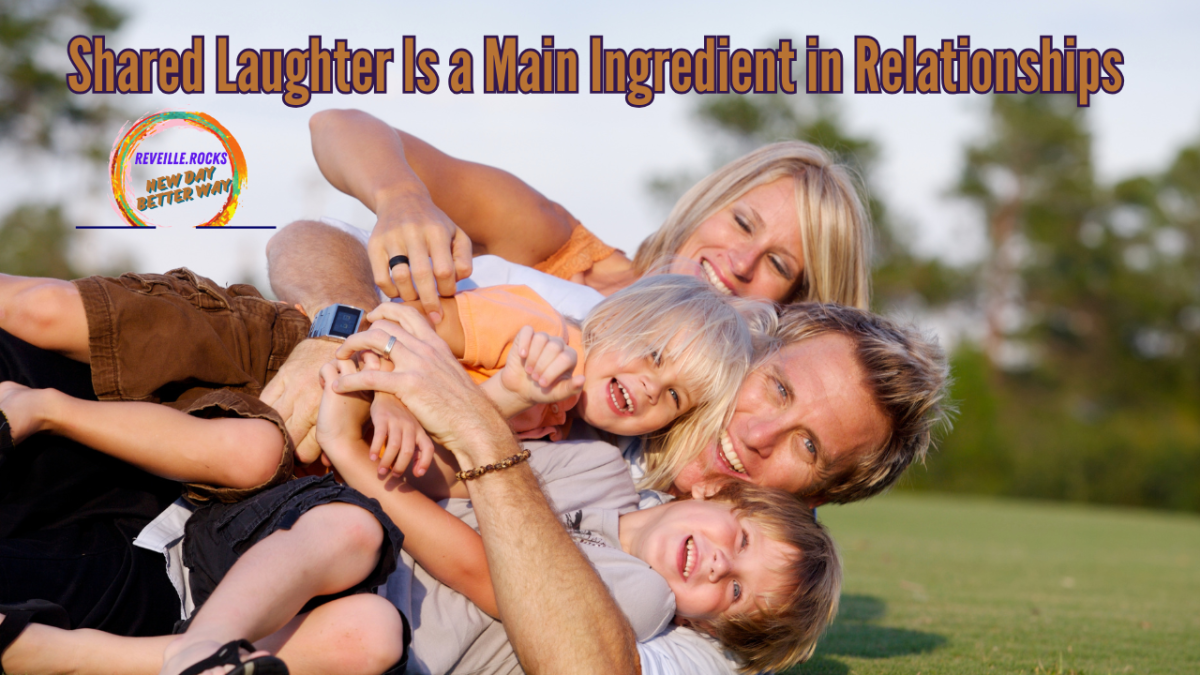
Shared Laughter Is a Main Ingredient in Relationships

Often, couples who laugh together are more likely to report relationship satisfaction. The reason for this is simple: laughter releases chemicals in the brain, which enhance mood and create a sense of togetherness. The chemical is dopamine.

Shared humor strengthens our bonds with others by fostering a sense of playfulness and relaxation. Humor diffuses tensions during conflicts and makes it easier to find resolutions.

Couples and groups with inside jokes create unique connections and reinforce feelings of exclusivity and intimacy. Laughter is contagious. It promotes positivity and strengthens social groups.