
You are happier when you are Thankful

Scientific research supports gratitude’s profound impact on mental and physical well-being. When you practice gratitude, your brain releases feel-good chemicals that enhance mood and reduce stress. Over time, focusing on what you’re thankful for helps rewire your brain to notice positivity more naturally, creating a lasting sense of happiness.

Studies have found that gratitude improves sleep, lowers blood pressure, and strengthens the immune system. It also enhances resilience, enabling people to cope better with challenges. Psychologically, gratitude reduces feelings of anxiety and depression by shifting attention from what is lacking to what is abundant.

Gratitude benefits individuals and strengthens relationships. Show appreciation to your loved ones. Showing you care fosters better connections and mutual respect. Whether through a simple “thank you” or a heartfelt letter, gratitude creates positivity.

Incorporate gratitude into your life. It is easy. You can Keep a journal, share daily gratitude with a friend, or take a moment to reflect on your blessings. The benefits go beyond temporary happiness because gratitude helps build a more optimistic and fulfilling outlook.


Gratitude on Hard Days

When you find yourself challenged, whether a business action needs to happen or a personal need that has put you on the spot, gratitude can feel out of reach, yet its power is often most transformative during hard times. 

On tough days, it helps to focus on small, tangible things. A nice cup of coffee might help. Often, a kind text from a friend might hit the spot. You might have an extra hour in bed with a warm blanket. These moments remind us that although we have difficulties, pockets of good still exist.

You should view hardships as opportunities for growth. While this should not involve dismissing pain or thinking everything is fine, acknowledging what a struggle has taught you, such as resilience, patience, or empathy, may shift your perspective.

Journaling is another tool to lean on. Write down three things you’re grateful for, no matter how small. Remember, the challenge is what you face. How you handle the challenge is up to your grace. 

Ultimately, gratitude does not mean ignoring the hard things; it focuses on hope, strength, and light in the cracks, one small silver lining at a time.

Ultimately, gratitude does not mean ignoring the hard things; it focuses on hope, strength, and light in the cracks, one small silver lining at a time.

How Baking Eases Stress and Brings Joy

Baking is more than creating delicious treats—it’s therapy in disguise. The process of measuring, mixing, and decorating engages your senses and grounds you at the moment.

 Baking also provides a creative outlet, boosts self-esteem, and releases endorphins when you share your creations with others. As you smell the warm aroma of baked goods wafting through your house or apartment, you will find you are more comfortable. Thus making baking a perfect recipe for happiness.

How Physical Activity Fuels Emotional Well-being

Exercise doesn’t just strengthen your body. It’s a happiness booster for your brain. Physical activity releases chemicals in your brain like endorphins, your body’s natural mood elevators, and reduces stress hormones like cortisol. 

Exercise such as yoga, running, or brisk walking can enhance focus, improve sleep, and increase self-esteem. Find a movement you enjoy, and watch how it lifts your mood and fuels emotional well-being.

Better Sleep Might Give You a Happier Life

Sleep is essential for happiness. During deep sleep, your brain processes emotions and regulates stress. And the brain does this while boosting serotonin and dopamine levels. 

If you do not take the steps needed for the brain to rejuvenate on a regular schedule, you will probably experience irritability, anxiety, and depression. You must set a doable sleep schedule to wake up tomorrow refreshed and ready to embrace joy. Your whole day will thank you for it.

 Why Small Wins Bring Big Happiness

Celebrating small wins, like finishing a task or learning something new, can spark joy by releasing dopamine in the brain. Completing milestones helps us to remember our progress by boosting our motivation and self-esteem.

Over time, winning our milestones creates a sense of forward movement that helps fuel long-term success and happiness. Don’t wait for significant achievements to feel joy—embrace each victory.

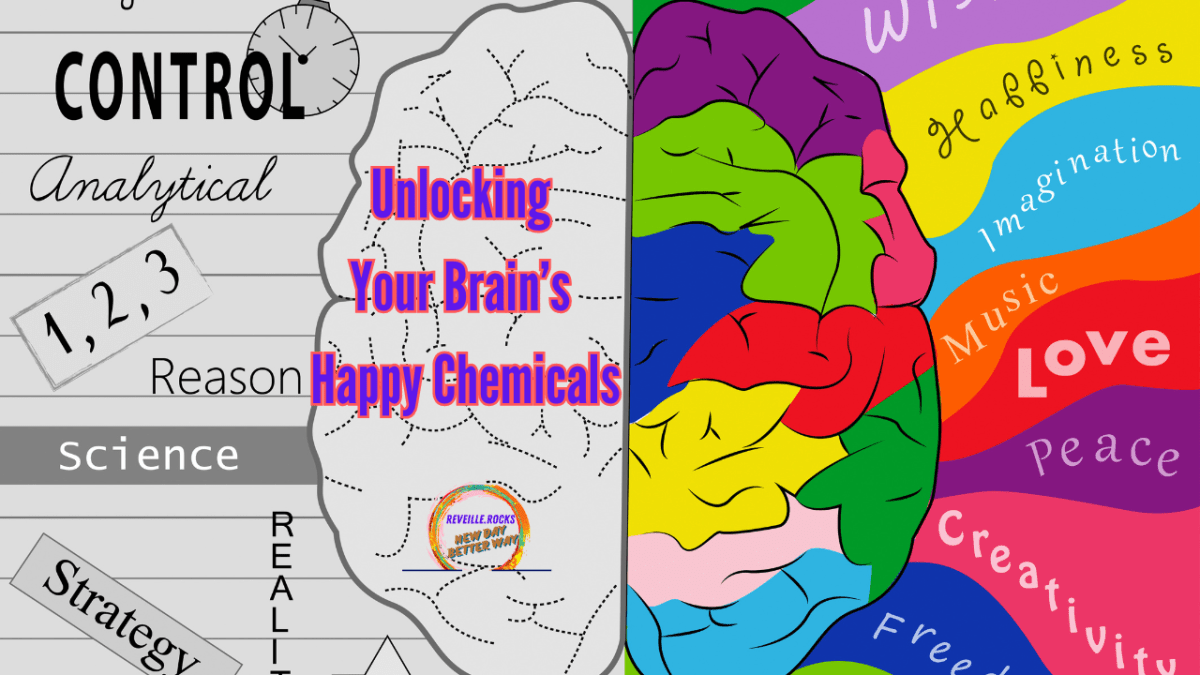
The Biology of Bliss: Unlocking Your Brain’s Happy Chemicals

Our brains are a cocktail of chemicals, and happiness depends on the right mix. Dopamine fuels motivation, serotonin fosters calm, oxytocin deepens connection, and endorphins ease pain and bring joy. Engaging in exercise, bonding with loved ones, and practicing gratitude may Help boost the right chemicals. 

Understanding how they work lets you unlock more moments of bliss in your everyday life. Be sure to discuss this with your doctor.

What Neuroscience Teaches Us About Being Happier

Neuroscience, the brain science, shows us that happiness isn’t just luck; it’s a skill. Practices like meditation strengthen the prefrontal cortex, the brain’s happiness hub. Neuroplasticity, the brain’s ability to adapt, means you can train your brain to be joyous. 

Regular habits like mindfulness, exercise, and gratitude help activate the brain’s “reward system,” making happiness more accessible. Knowing your brain works empowers you to cultivate lasting joy.

How Dopamine Shapes Our Joyful Moments

People often think of Dopamine as the “feel-good” neurotransmitter, but it’s so much more. It drives motivation, learning, and reward-seeking behavior. When you achieve a goal—big or small—dopamine floods your brain, reinforcing the behavior and making you feel good. 

Small wins allow you to succeed. (finishing a small task and checking off a to-do list) feel so satisfying. Yet, there is a catch. Chasing constant dopamine hits (like scrolling social media) can lead to burnout. Balance is key to healthy responses.

The Science of Smiles: What Makes Us Happy?

Happiness is never just a feeling. It is an intricate combination of biology, psychology, and social interaction. Smiling, to demonstrate, activates pathways within the brain to release dopamine and serotonin to release feel-good chemicals. Even a false smile can trick your brain into feeling happier. 

Although external factors such as achievements and relationships contribute to happiness, long-term joy often happens from within—through practices like gratitude, mindfulness, and self-compassion. So, the next time you smile, know it’s not just an expression. It’s a signal to your brain that life is worth celebrating!