Practicing Self-Compassion

Being kind to yourself is a cornerstone of creating your own happiness. When you give yourself Self-compassion, it means treating yourself with the same care and understanding you’d offer a friend.

When you make a mistake or face a setback, instead of being harsh on yourself, practice gentle self-talk. Realize your feelings and remind yourself that it’s okay to be imperfect. 

This approach not only boosts your mood but also builds resilience, helping you navigate life’s ups and downs with greater ease and happiness.

Gratitude and Happiness in Relationships

Gratitude plays a crucial role in better relationships and finding real happiness in them. Expressing gratitude to your partner, friends, or family fosters a deeper connection and mutual appreciation. 

Take time to acknowledge and thank the people in your life for their support and kindness. Small gestures of gratitude, like a heartfelt thank-you or a short handwritten note, make a big difference. Practicing gratitude in relationships helps build trust, enhance communication, and create a positive environment. 

Focusing on the good in your relationships and expressing appreciation regularly can help you find greater happiness and fulfillment in your connections with others.

Creating a Gratitude Ritual

Before you get out of bed, start each day by thinking of one thing you’re grateful for. 

Share your gratitude with others—tell a loved one why you appreciate them or write a thank-you note. At the end of the day, reflect on the positive moments and pen them down. 

This ritual improves your mood and helps you sleep better by ending your day on a positive note. By bringing gratitude into your daily life, you can find lasting happiness and greater well-being.

Gratitude and Mental Health

Gratitude has a positive impact on mental well-being. It helps reduce stress, improve mood, and foster resilience. When you practice gratitude, your brain shifts focus from negative to positive thoughts, reducing anxiety and depression. 

Start by acknowledging small blessings each day. It could be a kind gesture from a friend or the comfort of a cozy home. Keeping a gratitude journal is particularly helpful. Reflect on what you’re grateful for, especially during challenging times. 

The practice can provide perspective and remind you of the good in your life. By consistently practicing gratitude, you nurture yourself to a better mindset and enhance your overall mental health.

Finding Joy in the Little Things

Happiness seldom lasts in big achievements or events; often, it’s in the small, everyday moments. Take time to notice the beauty around you—a blooming child’s laughter, a beautiful sunset—these also bring immense joy if you let them. 

When you practice mindfulness, you are more likely to stay in the present and fully experience these little joys. Engaging in activities you love, like reading, cooking, or spending more time with your loved ones, can also boost your happiness. 

By finding joy in the little things, you create a steady stream of positive experiences that contribute to a happier, more content life. Embrace these moments and let them fill your heart with happiness.

The Power of Gratitude

Gratitude is a simple practice that holds vast power in transforming your life. Your mindset shifts when you focus on what you have rather than what you lack. 

Try keeping a gratitude journal and writing three things you’re thankful for daily. Doing so helps you notice the positive aspects of your life, no matter how small. Over time, you’ll find that your overall outlook becomes more positive, leading to greater happiness. 

Expressing gratitude to others strengthens relationships and fosters a supportive environment, enhancing your sense of community and well-being. Remember, happiness isn’t about having everything but appreciating what you do have. Cultivate gratitude daily, and you’ll see how it brightens your life and brings a sense of fulfillment and joy.

Protect What Is Valuable as We Move Forward

This is the other Blog I wanted to bring from the past. It was originally written on September 21, 2017.

Sometimes, when we live with jewels all of our lives, we forget what is precious. We sometimes take for granted the things that work so well. And tend to ignore those people that are always there.

When we make a change, the ripples affect everything and everyone around us. The larger the change, the stronger the ripples around us are, and the more those who are near us are affected. It is important that we are cognizant of and pay attention to those concerns.

Have you ever been in an earthquake? Having lived around the world, I have been in several earthquakes—some that were over as soon as they started and some that seemed to go on forever. The truth is, the time of earthquakes is usually shorter than you think. The reason it feels longer is that you don’t know when it’s going to stop. Just like earthquakes, ripples caused by one person’s change affect others more deeply when they do not understand what is happening or where the changes are headed.

There is a really neat way to help dampen the ripples of change for both you and those around you. It doesn’t cost anything, takes very little time, and provides everybody involved with great support. Just sit down with those concerned and talk to them about what is happening.

It’s amazing that when people know they can work as a team, they can do all sorts of wonderful things to meet challenges, grow, move in directions, and set the basis to ultimately succeed, no matter what the odds are. Whether you are moving to a new city, changing jobs, planning a retirement, or any number of other things, sit down with those around you, and whatever you do, discuss it and do it together.

Have a great one out there, talk to you again on Monday.

Change Champions

Identifying and supporting individuals who champion change is crucial for driving innovation. Winners recognize the importance of change champions in fostering a culture of adaptability.

By empowering and encouraging these individuals, they can lead the organization through transitions and inspire others to embrace change. Change champions involve leadership, communication, and resilience.

This approach ensures that organizations navigate change effectively and continuously improve.

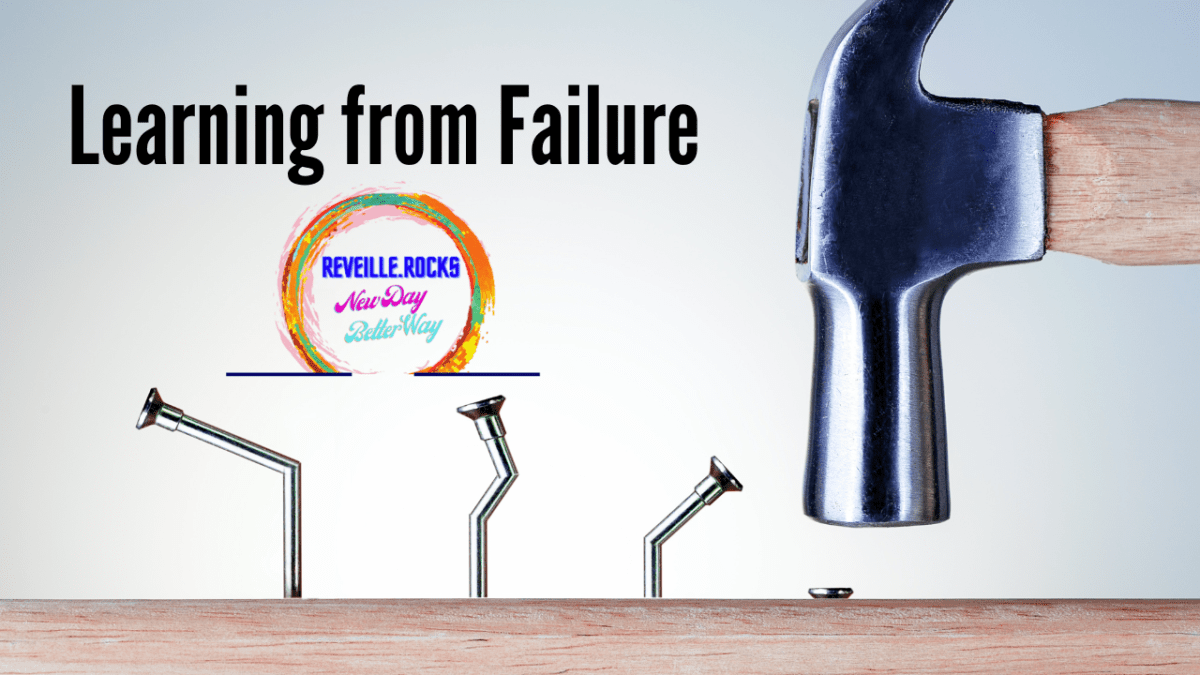
Learning from Failure

Treating failures as learning opportunities is essential for growth and innovation. Winners embrace failure as a valuable part of the learning process.

They can improve their strategies and achieve better outcomes by analyzing mistakes and identifying lessons learned. Learning from failure involves resilience, self-awareness, and a growth mindset.

A proactive approach allows individuals and companies to turn setbacks into opportunities for development and progress.

Market Research

Staying informed about trends in the market is crucial for adapting to change. Winners prioritize market research to remain competitive and relevant.

Personnel can make informed decisions and adjust strategies by continuously monitoring industry developments, customer preferences, and emerging opportunities. Market research involves data collection, analysis, and interpretation.

Staying proactive aids individuals and companies in staying ahead of the norm and actively maintaining their long-term success in a dynamic market.