Self-Kindness Is Often An Overlooked Aspect Of Personal Growth

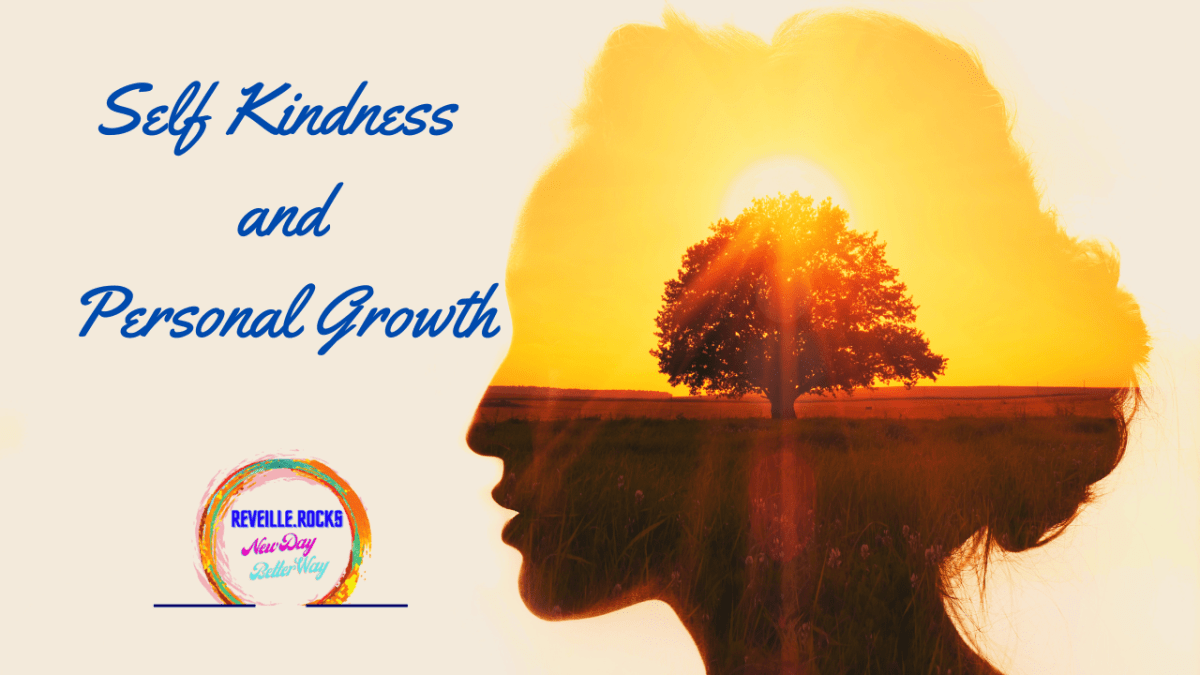
Self-kindness is often an overlooked aspect of personal growth, yet it is crucial in helping us become the best version of ourselves. When we are kind to ourselves, we become better equipped to handle life’s challenges and changes. We are more likely to survive well through difficult times.

One way that self-kindness encourages personal growth is by helping us develop a positive self-image. When we are kind to ourselves, we learn to appreciate our strengths and weaknesses and are more likely to focus on our accomplishments rather than our failures. This positive self-image can translate into greater confidence and motivation, which can help us achieve our goals.

Self-kindness also helps us develop greater resilience. When we treat ourselves with compassion and understanding, we are better able to bounce back from setbacks and failures. We are less likely to beat ourselves up over mistakes and more likely to learn from them and move on.

In conclusion, self-kindness is a powerful tool for personal growth. By treating ourselves with kindness, compassion, and understanding, we can develop a positive self-image, greater resilience, and a more optimistic outlook. So, take some time to be kind to yourself today and watch your personal growth grow!
Become More Productive

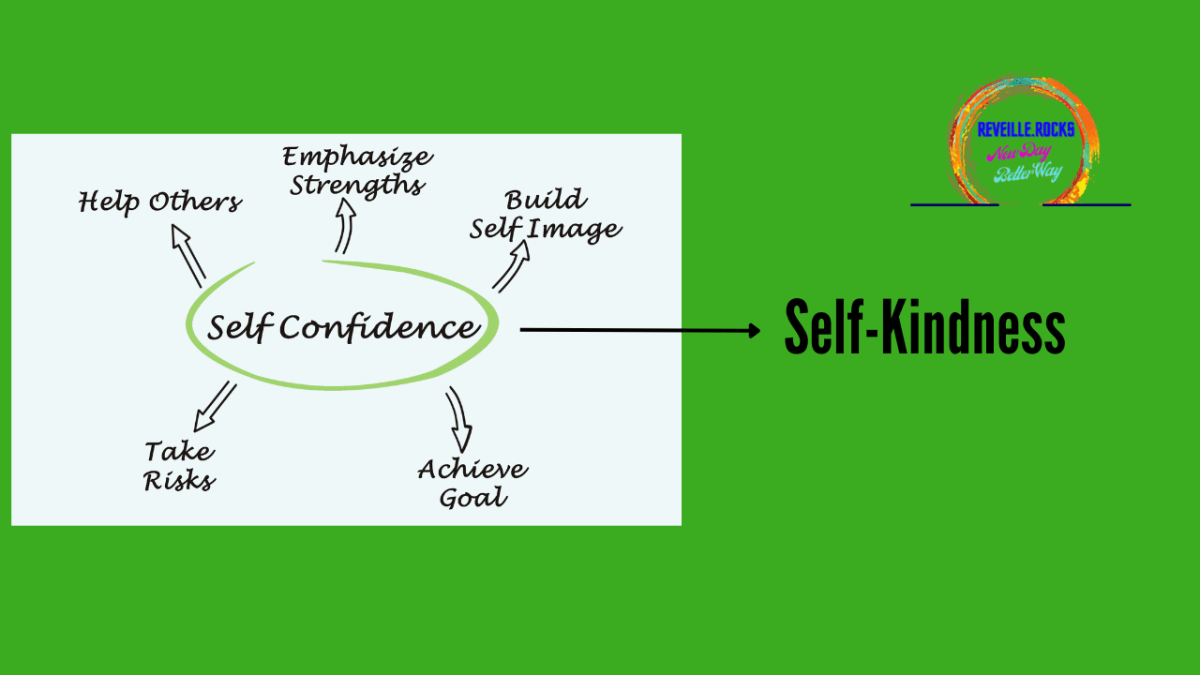
Self-kindness is crucial for our mental health and well-being and can help us become more productive. Being kind to ourselves means treating ourselves with compassion and understanding, especially when we make mistakes or face challenges. Self-kindness can help us to stay motivated and focused on our goals.

When we are hard on ourselves, we become overwhelmed and stressed, leading to procrastination and decreased productivity. On the other hand, when we show kindness and understanding, we are more likely to take care of our needs and manage our time more efficiently. Compassion can help us stay organized and focused, allowing us to accomplish what we need quickly.

Self-kindness also helps to build our self-esteem and confidence, which are essential for success in any area of life. As we believe in ourselves and our abilities, we will likely take better risks and pursue our goals enthusiastically and determinedly.

Practicing self-kindness benefits our overall well-being and can help us become more productive and successful personally and professionally. Let’s be kind to ourselves and see its positive impact on productivity and success.

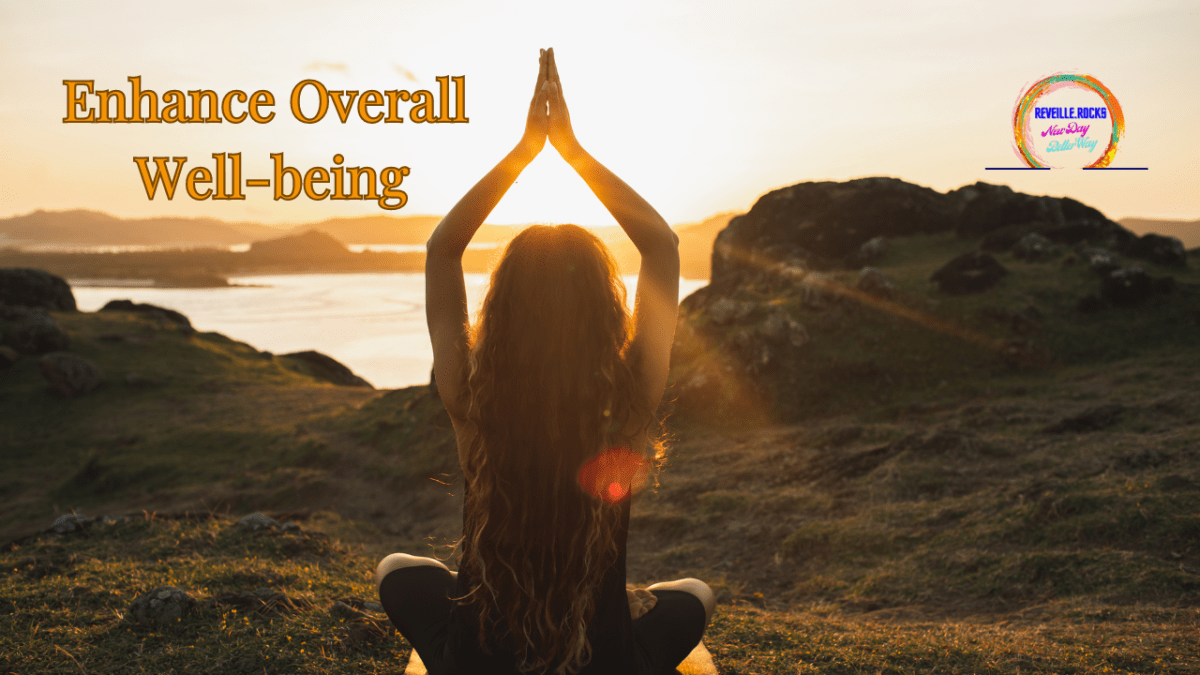
Enhance Overall Well-Being

Self-kindness is a powerful tool that can enhance overall well-being. It involves treating oneself with compassion, understanding, and empathy – the same way one would treat a loved one going through a tough time. Self-kindness fosters a positive relationship with oneself, contributing to better physical and mental health.

Research has shown that people who practice self-kindness have lower stress levels, anxiety, and depression. They also have higher self-esteem, resilience, and overall life satisfaction. By being kinder to oneself, individuals can better cope with difficult situations, bounce back from setbacks, and maintain a healthy perspective on life.

Self-kindness can have a ripple effect on others. When individuals treat themselves kindly, they are likelier to be kind to others. It creates a positive cycle of empathy and compassion in one’s social circles, improving relationships and creating a more positive community.

Self-kindness is an essential component of overall well-being. By practicing self-compassion and empathy, individuals can improve their mental and physical health and foster positive relationships with themselves and others.

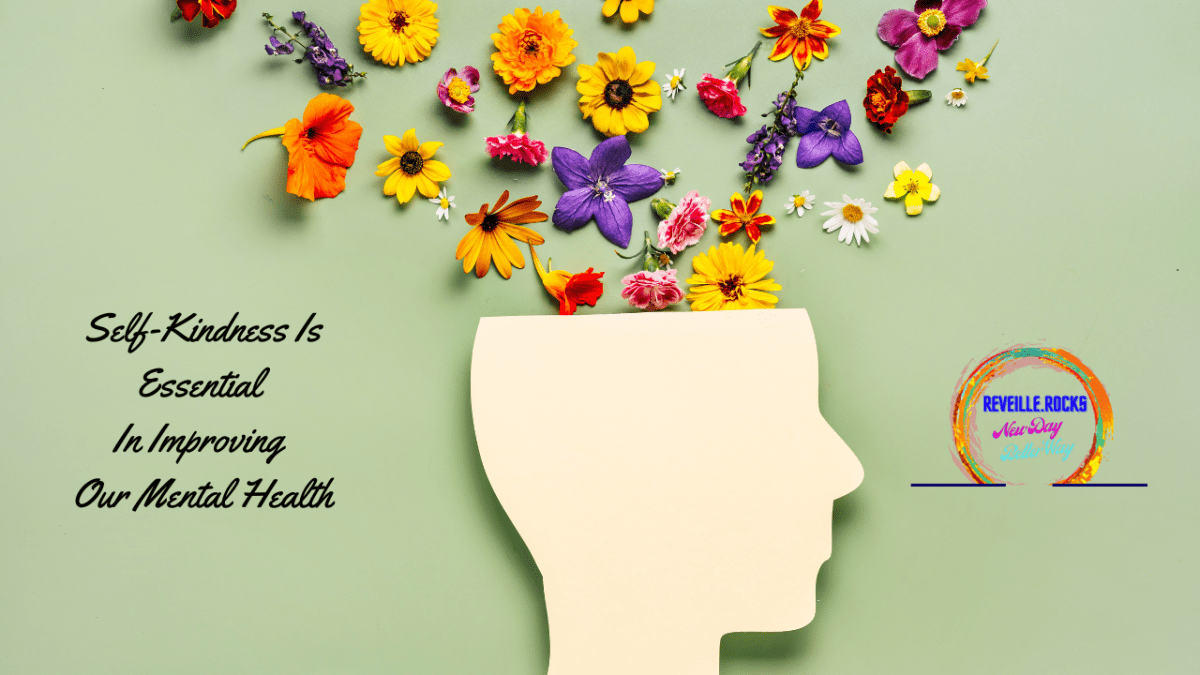
Self-Kindness Is Essential In Improving Our Mental Health

Self-kindness is vital to improving our mental health. It involves treating ourselves with the same care, understanding, and compassion that we would offer to a close friend or a loved one. Practicing self-kindness can help us to manage stress and anxiety, develop resilience, and improve our overall well-being.

One of the ways self-kindness improves mental health is by reducing negative self-talk. Instead of being self-critical, we can learn to be more self-compassionate. It involves acknowledging our mistakes and shortcomings without judging ourselves harshly. By practicing self-compassion, we develop a more supportive inner voice.

Self-kindness can also help us to build a stronger sense of self-worth. When we treat ourselves with kindness and respect, we begin to see ourselves in a more positive light. Giving yourself kindness can lead to greater self-confidence and a more positive outlook on life.

Self-kindness can help us to develop better relationships with others. When we are kind to ourselves, we are more likely to extend that kindness to others. We can lead to more substantial and meaningful connections with the people in our lives.

Self-kindness is an essential ingredient in improving our mental health. By treating ourselves with the same care and compassion we offer others, we can reduce negative self-talk, build self-worth, and develop stronger relationships with those around us.

Reduce Stress And Anxiety

Self-kindness is an essential tool that can help us reduce stress and anxiety. When we are kind to ourselves, we treat ourselves with the same compassion, understanding, and desire to help that we would offer to a close friend or loved one. This self-compassion helps us become more resilient and better cope with life’s challenges.

One of the primary benefits of self-kindness is that it helps us reduce our stress and anxiety. When we are kind to ourselves, we become slower to engage in negative self-talk, which can be a significant source of stress. Instead, we are more likely to be supportive, understanding, and encouraging, which can help us feel more relaxed and at ease.

Self-kindness can also help us to reduce anxiety by allowing us to feel more confident and empowered. When we are kind to ourselves, we are more likely to trust ourselves and our abilities, which can help us to feel more in control of our lives. This increased sense of control can help to reduce feelings of anxiety and helplessness.

Practicing self-kindness can be a powerful way to reduce stress and anxiety and improve our well-being. So, take a few moments each day to be kind to yourself, and watch as your stress and anxiety levels begin to decrease.

Creating A Soothing Bedtime Experience

Creating a soothing bedtime routine is a great way to improve the quality of your sleep. By winding down before bed, you can calm your mind and prepare your body for a good night’s rest. Here are a few tips to help you create a relaxing bedtime routine.

Set a consistent bedtime that is reasonable for you. Consistency will aid in regulating the body’s internal timing and make it easier to fall asleep. Next, create a relaxing environment. Turn off electronics, dim the lights, and play calming music or white noise. Take a warm bath or shower to help your muscles relax and release tension.

Do something calming and enjoyable before bed, like reading or journaling. Doing so can help clear your mind and ease any stress or worries from the day. Finally, practice deep breathing or meditation to help quiet your mind and prepare for sleep.

Creating a soothing and consistent bedtime routine will help the quality and quantity of sleep. You wake up refreshed and energized when you get the peaceful sleep you need. Experiment with different activities and find what works best for you. 

Have a peaceful rest.

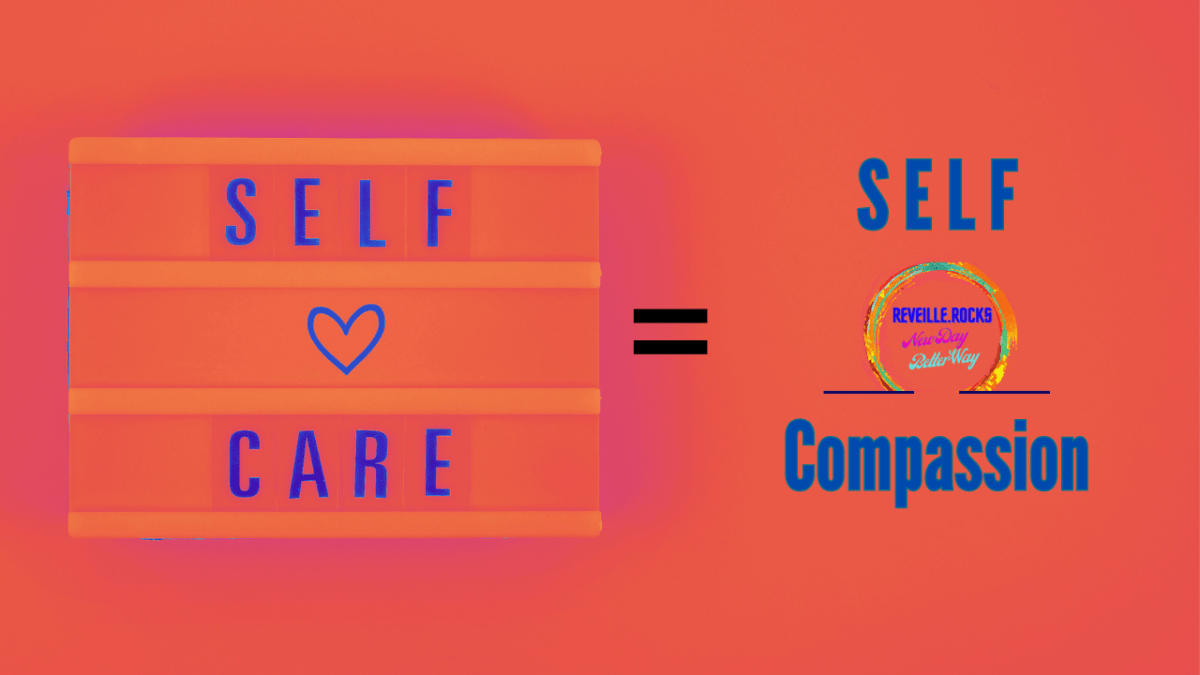
Self-Compassion

Self-compassion is an essential part of self-care. One of the ways to show kindness to yourself is by practicing forgiveness towards yourself for past mistakes. It can be easy to get hung up on past mistakes and let them define us. However, you must remember that everyone makes mistakes, and how we respond to them genuinely matters. 

Forgiving yourself for past mistakes allows you to move forward and let go of any negative emotions or self-blame holding you back. Acknowledging the mistake, taking responsibility for it, and learning from it is important. Once you have done this, you must let go of negative feelings towards yourself and practice self-forgiveness. 

Remember that practicing self-forgiveness is a process, and it may take time. Be patient and kind to yourself as you work through any negative emotions or self-blame. You can write a letter to yourself, practice self-compassion meditation, or seek support from a trusted friend or therapist. 

Ultimately, practicing forgiveness towards yourself is an act of self-love and a crucial step towards living a happy and fulfilling life. 

Taking Care Of Ourselves

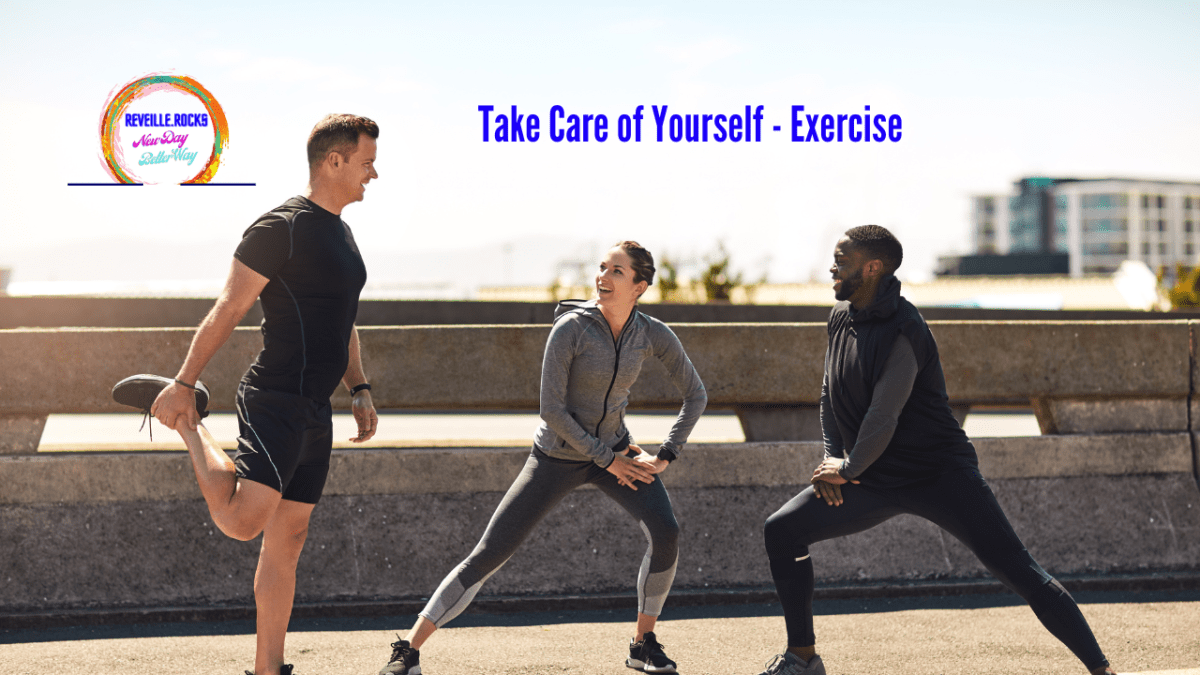
Taking care of ourselves is often the last thing on our to-do list. We seem always to take care of someone else or fulfill obligations, leaving little time for self-care. However, taking a yoga or exercise class can be a great way to show ourselves kindness and prioritize our own well-being. 

Yoga and exercise classes offer a variety of benefits – from physical health to mental clarity. These classes allow us to disconnect from our daily stressors and focus on our breath and body. The movements and poses help to strengthen our muscles, improve flexibility, and increase blood flow. Additionally, the mindfulness aspect of yoga and exercise helps to reduce anxiety and improve mood. 

Attending a class also provides a sense of community and support. Being surrounded by others who are also prioritizing their well-being can be motivating and inspiring. It can also be a great way to meet new people and build connections. 

Incorporating a yoga or exercise class into our routine can be a simple yet impactful way to show ourselves kindness. It’s important to remember that caring for ourselves isn’t selfish – it’s necessary for our overall health and happiness. 

Be Kind To Yourself And Take A Tech Break 

In today’s society, technology and social media are integral to our daily lives. We count on technology for communication, work, and entertainment. However, constant use of technology and social media can lead to burnout, stress, and anxiety. It’s important to unplug from these distractions and take time for self-kindness. 

Taking a break from technology and social media can help us reconnect with ourselves and our surroundings. It allows us to be present in the moment and fully engage with our environment. It can lead to increased creativity, improved mental health, and better relationships with those around us. 

To unplug, set aside specific times during the day to disconnect. Take a walk outside, read a book, or spend time with loved ones without distractions from technology. During this time, focus on self-care activities that make you feel good, such as practicing mindfulness or taking a relaxing bath. 

In conclusion, unplugging from technology and social media can be a great act of self-kindness. It allows us to reconnect with ourselves and our surroundings, improving mental health and better relationships with others. Try setting aside time each day to unplug and focus on self-care activities. 

Gratitude For Self-Kindness

Gratitude is a powerful tool. Gratitude often helps us focus on the positive aspects of our lives. One way to cultivate a grateful mindset is to write down three things you are thankful for daily. This simple practice can profoundly impact your mental health and well-being. 

Writing down three items you are grateful for daily can help you shift your focus from negative thoughts to positive ones. This exercise will help you lower stress and improve overall happiness. It can help you appreciate the small things we often take for granted in life. Whether it’s a beautiful sunset or a warm cup of tea, acknowledging these moments can bring a sense of joy and contentment. Finally, it can help foster stronger relationships with others as you begin to notice and appreciate the positive things they bring to your life. 

Making gratitude a part of your daily routine is easy. Simply take a few minutes each day to reflect on the things you are grateful for and write them down. Over time, this habit can help you cultivate a positive and grateful mindset, leading to a happier and more fulfilling life.