
The Benefits Of Therapy And How To Find A Therapist That Works For You

Therapy is an excellent tool for improving mental health and well-being. It can help when trying to cope with stress, anxiety, depression, and other issues. In addition, it can provide a safe space for people to explore their thoughts and feelings and develop coping strategies.

One of the best benefits of seeing a trained therapist is the help you can get from a professional who gives guidance and support. Therapists can help individuals identify negative thinking and destructive behavior patterns. It allows the two of you to develop strategies to overcome them. They can also provide a non-judgmental space to talk about complex topics, which can be especially helpful for people who feel isolated or unsupported.

If you’re interested in finding a therapist, there are a few things to consider. First, think about what type of therapy might be most helpful. Do you want to focus on cognitive-behavioral therapy, talk therapy, or another approach? Next, consider your budget and insurance coverage. Many therapy professionals offer sliding scale fees or accept insurance, but checking before scheduling an appointment is essential. Finally, take the time to research potential therapists and read reviews from other clients. Knowing ahead can help you find the best therapist for your needs and personality.

Therapy is powerful for improving mental health and well-being. By finding a therapist who works for you, you take a vital step towards achieving your goals and feeling better.
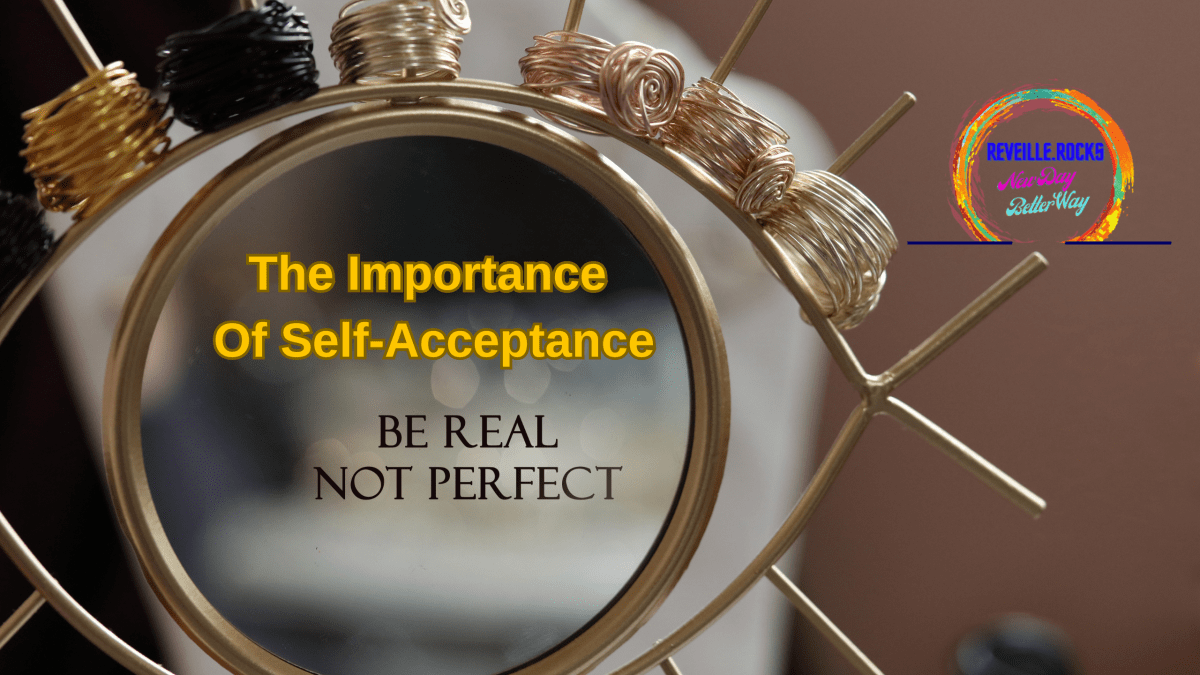
The Importance Of Self-Acceptance And How To Achieve It

Self-acceptance is a crucial aspect of our emotional and mental well-being. It is about accepting ourselves for who we are, with all our strengths and weaknesses. When we accept ourselves, we free ourselves from constantly seeking validation and approval from others.

One of the keys to achieving self-acceptance is to practice self-compassion. It means treating ourselves with the kindness and understanding we often offer close friends. It involves acknowledging our mistakes and imperfections without judgment or criticism and reminding ourselves that it is okay to be flawed.

Another important aspect is to focus on our strengths and accomplishments rather than fixating on our shortcomings. We can do this by recognizing and celebrating our achievements, no matter how small they may seem.

It is also helpful to cultivate a positive self-image by engaging in activities that make us feel good about ourselves. Whether exercising, pursuing a hobby, or spending time with loved ones, doing things that bring us joy and fulfillment can boost our self-esteem and help us feel more confident in who we are.

In summary, self-acceptance is essential for our emotional and mental well-being. When we practice self-compassion, focus on our strengths, and cultivate a positive self-image, we can learn to accept ourselves and embrace our uniqueness.

The Benefits Of Spending Time Alone And How To Enjoy It

Spending time alone can be a great way to recharge and improve your mental health. It allows you to reflect, rest, and focus on your needs. Here are a few benefits of spending time alone and how to enjoy it:

When you’re alone, you have time for reflection on your thoughts and feelings, which can help you better understand yourself. Try journaling or meditating to gain more self-awareness.

Being alone allows your mind to wander, develop new ideas, and engage in creative activities such as painting, writing, or playing music.

Alone time can give you a break from the demands of everyday life and allow you to relax. Try taking a bubble bath, walking in nature, or reading a book.

When you’re alone, you can think through decisions without outside influence. Use this time to make a pro and con list or weigh the options before deciding.

To enjoy your alone time, try disconnecting from technology and social media. Try activities that bring you joy and make you feel relaxed. It is always okay to prioritize your needs and take time for yourself.

How To Identify Your Needs And Prioritize Them

Identifying and prioritizing your needs can be daunting, but leading a fulfilling life is essential. It is easy to get distracted by the needs of others or our wants, but it is critical to recognize what is truly necessary for our well-being. Here are some steps to help you identify and prioritize your needs.

First, make a list of all the things that you believe you need in your life. The list can include anything from basic necessities like food and shelter to emotional and social needs like love and support. Once you have your list, try to categorize each item by level of importance.

Next, evaluate each item on your list and ask whether you see a necessity or a want. Consider the consequences of not having each item and the impact it would have on your overall well-being.

Finally, prioritize your needs based on their level of importance and the consequences of not having them. Doing so will help you focus on the most critical needs first and work your way down the list.

Remember, your needs may change over time, so it is crucial to reassess and adjust your priorities as necessary. You will lead a fulfilling and satisfied life by identifying and prioritizing your needs.

The Power Of Self-Reflection And How To Incorporate It Into Your Life

Self-reflection is a powerful tool. With it, you have better personal growth and development. Reflecting on our thoughts, emotions, and actions helps us better understand ourselves and our experiences. It leads to greater self-awareness and a stronger sense of purpose. Here are some tips on how to incorporate self-reflection into your life:

  • Set aside a regular time each day or week to reflect on your experiences. It could be in the form of journaling, meditation, or simply taking a quiet walk.
  • Use prompts to guide your reflection, such as “What did I learn today?” or “How did I handle that situation?” Questions can help you identify patterns in your behavior and thought processes.
  • Self-reflection requires honesty and vulnerability. Don’t be afraid to confront difficult emotions or acknowledge areas you need to improve.
  • The insights gained from self-reflection are only valuable if we use them to make positive changes in our lives. Identify areas where you want to grow and set actionable goals to help you get there.

Incorporating self-reflection into your life can be a transformative practice, helping you become more self-aware, compassionate, and intentional in your actions. Start small and make it a regular habit, and you may be surprised at the insights and growth it brings.

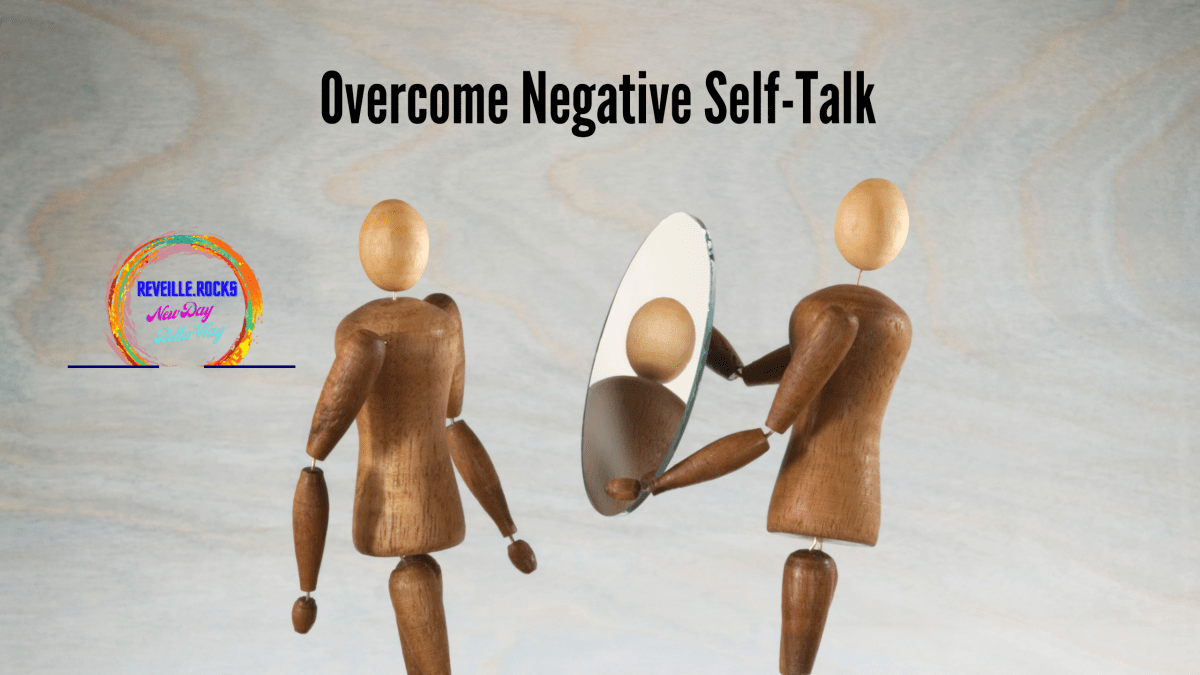
How To Overcome Negative Self-Talk And Build A Positive Mindset

Negative self-talk can be all too familiar for many of us. That voice in our head tells us we’re not good enough, smart enough, or capable enough. While it’s normal to have some self-doubt, it’s important to recognize when it’s controlling us and take action to change it.

To overcome negative self-talk, you must become aware of it. Pay attention to the thoughts that go through your head and identify the negative ones. Once you’ve identified them, challenge them. Ask yourself if they’re accurate and if there’s evidence to support them. We often find that our negative thoughts develop on assumptions, not facts.

Next, replace negative self-talk with positive affirmations. Choose a few positive phrases that resonate with you, and repeat them to yourself regularly. You need to retrain your brain to think more positively and build a more positive mindset.

Finally, surround yourself with positivity. Seek out positive people, books, and experiences. Make a conscious effort to focus on the good in your life and express gratitude for that good regularly.

Taking these steps can overcome negative self-talk and build a more positive mindset. Remember, it takes time and practice, so be patient with yourself and celebrate your progress along the way.

Practice Self-Forgiveness And Let Go Of Past Mistakes

Self-forgiveness is one of the most empowering things you can do for yourself. It involves releasing yourself from the guilt and shame often accompanying past mistakes. When we forgive ourselves, we acknowledge that we are human and that we all make mistakes. Here are some practical tips on how to practice self-forgiveness and let go of past mistakes.

Acknowledge your mistakes and accept responsibility for them. Understand that you cannot change the past, but you can change your attitude toward it.

Try to understand why you made the mistake in the first place. Taking the time to do this can help you avoid repeating the same error.

Practice self-compassion for yourself. Treat yourself with the kindness and understanding you would show a struggling friend.

Let go of the negative emotions associated with the mistake through mindfulness practices such as meditation or journaling.

Remember, self-forgiveness is a process that takes time and effort.By practicing self-forgiveness, you can free yourself from the weight of past mistakes and move forward with a renewed sense of self-love and acceptance.

Take A Break From Social Media And The News For Mental Health

In today’s world, social media and news have become an integral part of our lives. While they help us stay connected and informed, they can also hurt our mental health. Taking a break from social media and news can incredibly benefit our mental well-being.

One significant benefit of taking a break from social media and news is that it can help reduce stress and anxiety. Constantly watching negative news and social media posts can lead to anxiety and overwhelming feelings. Resting from these sources gives our minds a chance to rest and recover.

Another benefit of taking a break from social media and news is that it can improve our focus and productivity. Social media and news can be incredibly distracting and takes our attention away from important tasks and goals. Minimizing our exposure can increase our ability to focus on the things that matter.

Finally, taking a break from social media and news can improve our mood and happiness. It allows us to focus on the present moment and appreciate the things we have in our lives. We can gain perspective and prioritize our mental health and well-being by taking a step back.

Use Positive Affirmations

Gratitude is a powerful emotion that could significantly impact your greatness. It can be a simple but effective way to improve mental health and boost happiness.

Keeping a Journal of what things you are grateful for helps.  Even if you start with a list, it is a start. Look at the small stuff. A hello, a smile, maybe someone holding a door open. It could be seeing a sunset, a kind gesture, or a delicious meal. Focusing on the positive things helps shift your mindset and helps improve your outlook.

Gratitude is also your appreciation for those around you. Take time to thank someone for something done for you, or simply tell the person how much you appreciate the person. Gratitude helps strengthen your relationships and increase feelings of connection and positivity.

Make gratitude a daily habit. Put it into your routines by taking a moment each day to reflect on what you are grateful for. Start with a few breaths and focus on the present moment.

Use Positive Affirmations To Boost Your Self-Esteem

Self-esteem is a very important aspect of our lives. Self-esteem determines our confidence, self-worth, and attitude toward ourselves. Therefore, we want to have good feelings about ourselves.

Sometimes, it is common to experience self-doubt, negativity, and low self-esteem. It is when you want a powerful tool that can help boost your self-esteem, such as using positive affirmations.

Start by identifying areas of your life where you need more self-esteem. For instance, you may need to be more confident in your work, relationships, or personal life.

After you identify areas that require improvement, create positive affirmations that address those areas. For example, if you need more confidence at work, your affirmation could be, “I Know I can make valuable contributions to my job.”

Repeat your affirmations. Repetition is vital when using affirmations. Repeat your affirmations daily and say them with conviction and belief. Saying them out loud can have a more significant impact than just thinking them.

Believing in what you can do is crucial to using affirmations. Trust the process, and the affirmations will help you achieve your goals.

 Using positive affirmations can boost your self-esteem. It takes practice and consistency, but with time, you will find positive changes in your mindset and overall outlook. Remember to be patient, believe in yourself, and enjoy the process.