
Finding Your Passion

Finding your passion is like uncovering a hidden treasure within yourself. It’s that one thing that ignites a fire within you, fills you with excitement, and gives your life a sense of purpose and direction. Many spend years searching for their passion, trying different hobbies, career paths, and experiences to see what resonates.

To discover your passion, explore activities that bring you joy and fulfillment. Pay attention to what makes you lose track of time, what positively challenges you, and what gives you a deep sense of satisfaction. It could be anything from painting, writing, cooking, playing an instrument, helping others, or working with animals.

Once you’ve identified your passion, pursue it wholeheartedly. Embrace the growth and skills that come with following your passion, and allow yourself to immerse yourself fully in the things that bring you true happiness. Remember, finding your love is not just about what you do but about who you are becoming.
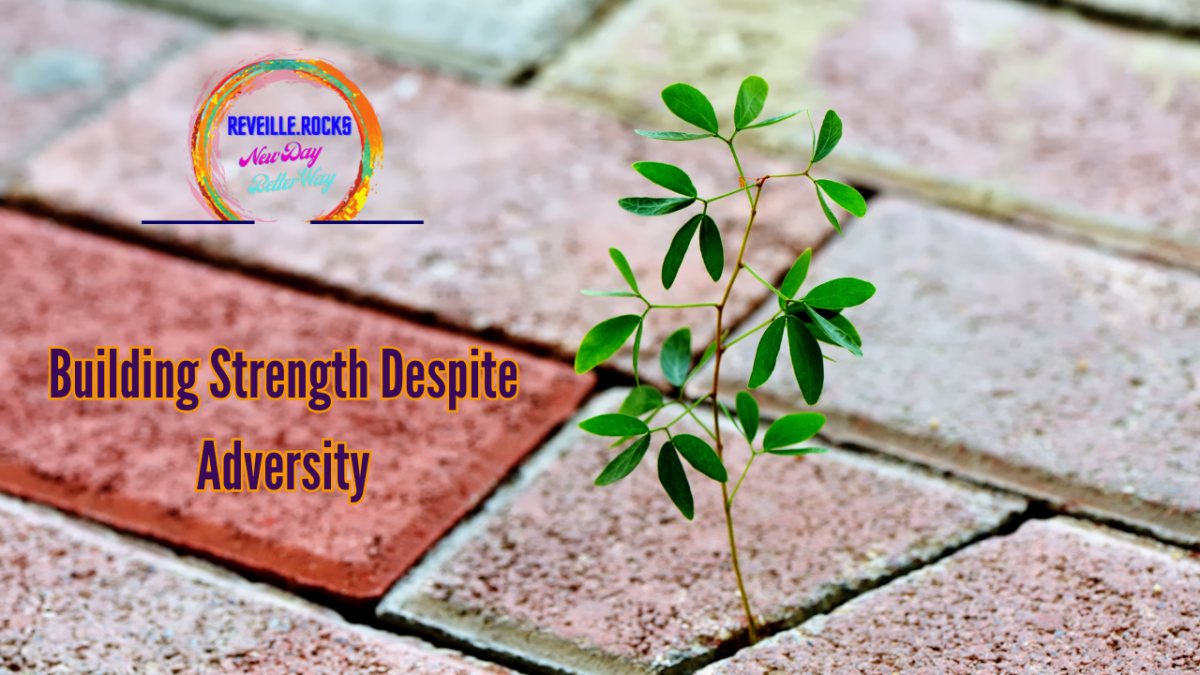

 Building Strength Despite Adversity

Resilience helps people recover from challenges and setbacks. It allows us to overcome our ups and downs and keep our sanity. Cultivating resilience is essential in today’s fast-paced and unpredictable world. Individuals can better cope with stress, overcome obstacles, and thrive in adversity when developing resilience.

One way to cultivate resilience is by fostering a positive mindset. You make a win by reframing negative thoughts into empowering ones. Individuals build resilience in adversity by practicing gratitude, focusing on strengths, and maintaining a hopeful outlook. Developing strong social connections and a support network is crucial in building resilience. Having people to lean on during tough times can provide emotional support and perspective, helping individuals navigate challenges more effectively.

Furthermore, taking care of oneself through healthy habits such as regular exercise, proper nutrition, and sufficient sleep can also enhance resilience. Physical well-being closely links to mental and emotional resilience, so it is important to prioritize self-care. By actively working on these aspects, individuals can cultivate resilience and face challenges with courage and adaptability. Remember, resilience is not about avoiding hardships but facing them head-on and emerging more robust on the other side.

 Embracing Optimism

Embracing optimism is a powerful tool for navigating life’s ups and downs. Optimism is more than just a positive mindset. It is a way of life that leads to greater resilience, improved mental health, and overall well-being.

Optimistic individuals tend to see obstacles as opportunities for growth and learning. Adopting an optimistic outlook makes us better equipped to handle setbacks and disappointments. The mindset shift increases motivation, creativity, and problem-solving skills.

Embracing optimism has a ripple effect on those around us. By radiating positivity and hope, we often inspire others to see the bright side of situations and approach challenges with can-do attitudes. Embracing optimism leads to a more fulfilling and purposeful life filled with gratitude, joy, and a sense of possibility.

We should make a conscious effort to embrace optimism in our daily lives. Let’s see the glass as half full and believe in ourselves for a brighter future. By cultivating a mindset of optimism, we can unlock the doors to endless possibilities and create a life worth living.

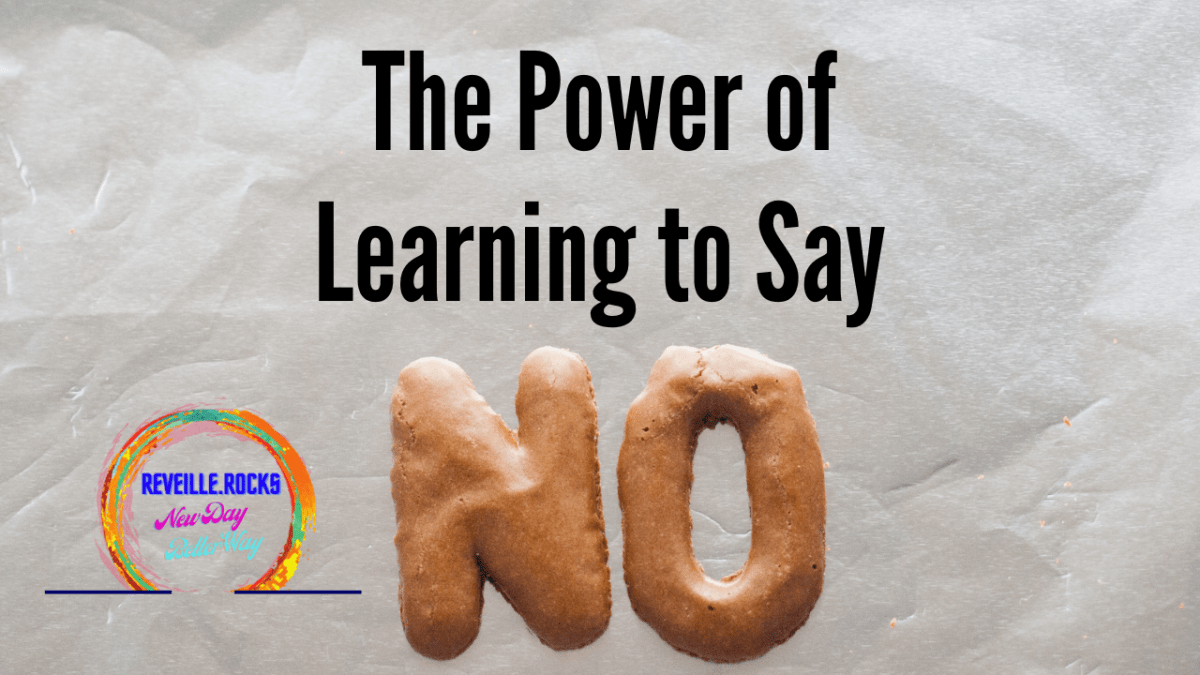
The Power Of Learning To Say No

Learning to say no is a valuable skill that many people struggle with.  It is natural to please others and avoid conflict, but saying yes to everything can lead to burnout and resentment. By setting boundaries and prioritizing our needs, we can protect our time and energy for what truly matters.

Saying no doesn’t have to be negative; it’s about honoring our limits and respecting ourselves. It allows us to focus on our goals, passions, and well-being. By practicing assertiveness and clear communication, we can decline requests gracefully and without guilt.

Remember, saying no is not selfish – it’s self-care. It’s about valuing your time and energy to show up fully for yourself and others. Embrace the power of saying no, and watch your confidence and happiness soar.

Setting Boundaries

An essential part of healthy relationships is setting boundaries. Boundaries are different for different people to help define acceptable and unacceptable interactions, helping to establish mutual respect and understanding. Communicating our limits and needs can prevent misunderstandings, reduce conflicts, and foster healthier connections.

When setting boundaries, it’s essential to be assertive yet respectful. Clearly articulate your boundaries calmly and confidently without feeling guilty or apologetic for prioritizing your well-being. Remember, never design boundaries to control or manipulate others, but protect your physical, emotional, and mental health.

Setting boundaries also involves self-awareness and self-reflection. Take the time to identify your values, needs, and limits so you can effectively communicate them to others. Practice self-compassion and prioritize your well-being, even if it means saying no to others. Setting boundaries is a form of self-care that allows you to nurture healthy relationships and maintain your integrity.

 Effective Communication Skills

Practical communication skills are crucial in both personal and professional settings. Being able to convey your thoughts clearly and listen actively can lead to stronger relationships, successful collaborations, and overall improvement in various life moments.

An important aspect of effective communication is active listening. It involves hearing what the other person is saying and truly understanding their perspective. By listening attentively, you can show respect, build trust, and avoid misunderstandings.

Another vital skill is being able to express yourself clearly and confidently. Using simple language, maintaining good eye contact, and awareness of your body language can help ensure your message is received as intended.

Being empathetic and considering the feelings of others during communication can go a long way in fostering positive interactions. By being open-minded and respectful of different viewpoints, you can create an inclusive environment for effective communication to thrive. Practice and patience are vital in developing these skills. The benefits are worth the effort.

 Building Healthy Relationships

Building healthy relationships is crucial to leading a fulfilling life. Communication, trust, respect, and mutual support are key pillars in fostering solid and meaningful connections with others. By actively listening to one another, expressing emotions openly, and practicing empathy, individuals can create an environment of understanding and compassion in their relationships.

Trust is the foundation of healthy relationships. Reliability, honesty, and consistency are essential to building and maintaining trust with others. Respect is another vital component, as it involves valuing each other’s opinions, boundaries, and autonomy. By showing respect, individuals can cultivate a sense of appreciation and admiration for one another.

Moreover, providing support and encouragement during both good times and bad can strengthen the bond between individuals. Being there for each other, offering a helping hand, and celebrating successes together can deepen the connection and create a sense of unity. Building healthy relationships requires effort, commitment, and an Ability to prioritize the well-being of all involved. When nurturing these relationships, individuals can experience greater happiness, fulfillment, and emotional support.

Stress management techniques

In today’s fast-paced world, stress has become a standard part of our daily lives. To maintain your well-being, you want to have effective stress management techniques. One technique is mindfulness meditation, which involves focusing on the present moment and letting go of worries about the past or future. The practice helps reduce stress levels and promotes relaxation. 

Another helpful technique is exercise. Physical activity releases endorphins. They are natural mood lifters that help combat the adverse effects of stress. Whether going for a run, practicing yoga, or simply walking, finding an exercise routine that works for you can significantly improve your overall stress levels.

Maintaining healthy lifestyles through proper nutrition, adequate sleep, and social support significantly manage stress. Eating a balanced diet, getting enough rest, and surrounding yourself with supportive friends and family contribute to a healthier mindset and better stress management. With these techniques, you can take control of your stress levels and improve your overall well-being.

Effective Time Management Strategies

Time management is a crucial skill that significantly impacts our productivity and overall well-being. One effective strategy is prioritizing tasks by importance and deadlines. Creating and organizing a to-do list and organizing tasks based on urgency helps you focus on completing the most critical ones first. Subdividing larger tasks into smaller, more manageable ones prevents feeling overwhelmed and increases motivation as you tick off completed items.

Setting specific goals and deadlines for yourself can also help with time management. Establishing clear objectives and timelines can help you stay on track and avoid procrastination. Learning to say no to non-essential tasks and delegating when possible saves time for more important responsibilities.

Technology tools such as calendar apps, task management apps, and timers can help you manage your schedule and stay organized. By incorporating these time management strategies into your daily routine, you can optimize your time, reduce stress, and achieve greater efficiency in your personal and professional life.

 Healthy Eating Habits

Healthy eating habits are crucial for overall well-being and longevity. A balanced diet that includes fruits, vegetables, whole grains, lean proteins, and good fats provides your body with the essential nutrients needed to function optimally. Also, it is vital to limit the intake of processed foods, sugary drinks, and high-fat, high-sugar snacks because they contribute to weight gain and various health issues.

In addition to choosing nutritious foods, portion control plays a significant role in healthy eating. Paying attention to serving sizes can help prevent overeating and promote weight management. Planning meals ahead of time and opting for homemade dishes over takeout or fast food can also support healthier choices. Stay hydrated, drinking plenty of water throughout the day, as proper hydration is vital to maintaining good health.

By prioritizing a well-rounded diet, portion control, and hydration, you can cultivate healthy eating habits that benefit your physical and mental well-being. Making small yet sustainable changes to your diet leads to long-term health benefits and a better quality of life.