
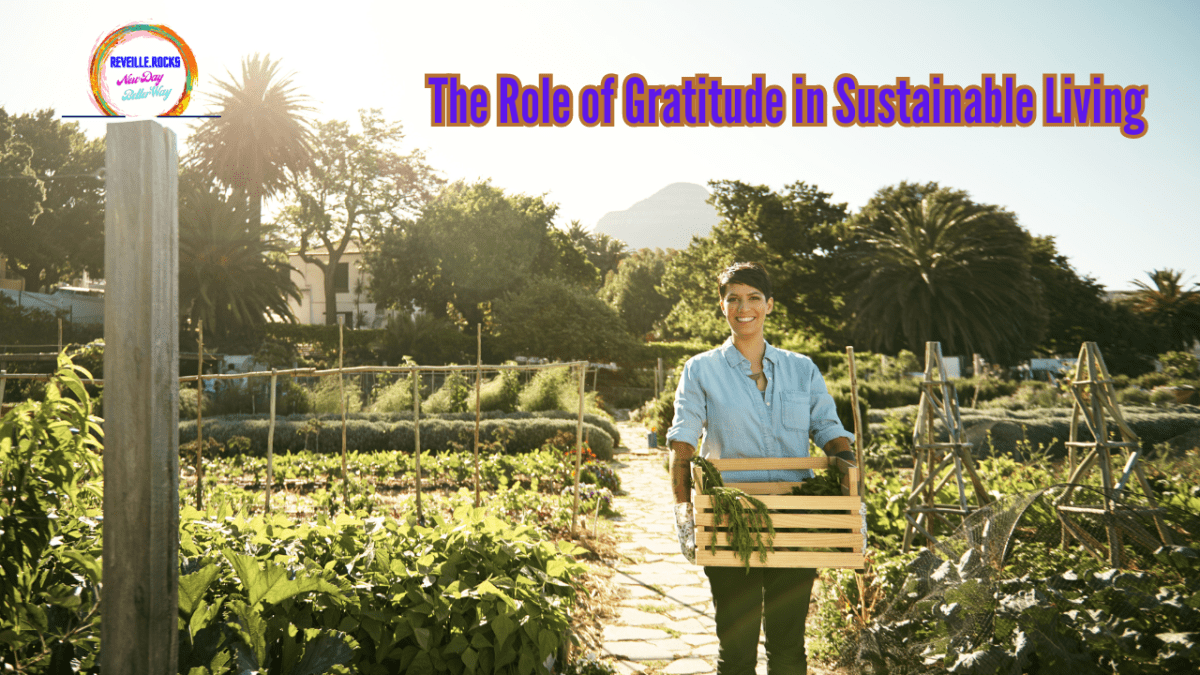
The Role of Gratitude in Sustainable Living

Gratitude plays a pivotal role in sustainable living by fostering a mindset of appreciation and mindfulness. When individuals express gratitude for their resources, they are more likely to use them wisely and avoid waste. This appreciation extends to the environment, encouraging recycling, reducing consumption, and supporting eco-friendly products. Gratitude also enhances well-being, reducing the desire for excess and promoting a simpler, more sustainable lifestyle. 

Communities prioritizing gratitude cultivate a culture of sustainability where shared resources are valued and preserved. By recognizing the interconnectedness of all life and the finite nature of our planet’s resources, gratitude can inspire more responsible and ethical choices. Ultimately, embracing gratitude helps create a more sustainable future where people’s and the planet’s well-being is prioritized.

Gratitude in Public Service: Appreciating Our Community Helpers

 Public service workers are the backbone of our society, tirelessly ensuring the smooth functioning of daily life. Firefighters, Police officers, teachers, and other public service workers are dedicated individuals who often go above and beyond to serve the community.

Expressing gratitude towards them uplifts their spirits and fosters a sense of unity and appreciation within the community. Simple acts of acknowledgment, such as a heartfelt thank you or a community event in their honor, can make a significant impact. Moreover, this gratitude practice can inspire others to pursue public service careers, knowing their efforts are valued.

 We contribute to a more compassionate and connected society by actively appreciating our community helpers. Let’s prioritize recognizing and thank these everyday heroes who work tirelessly to make our lives better, safer, and more enriched.

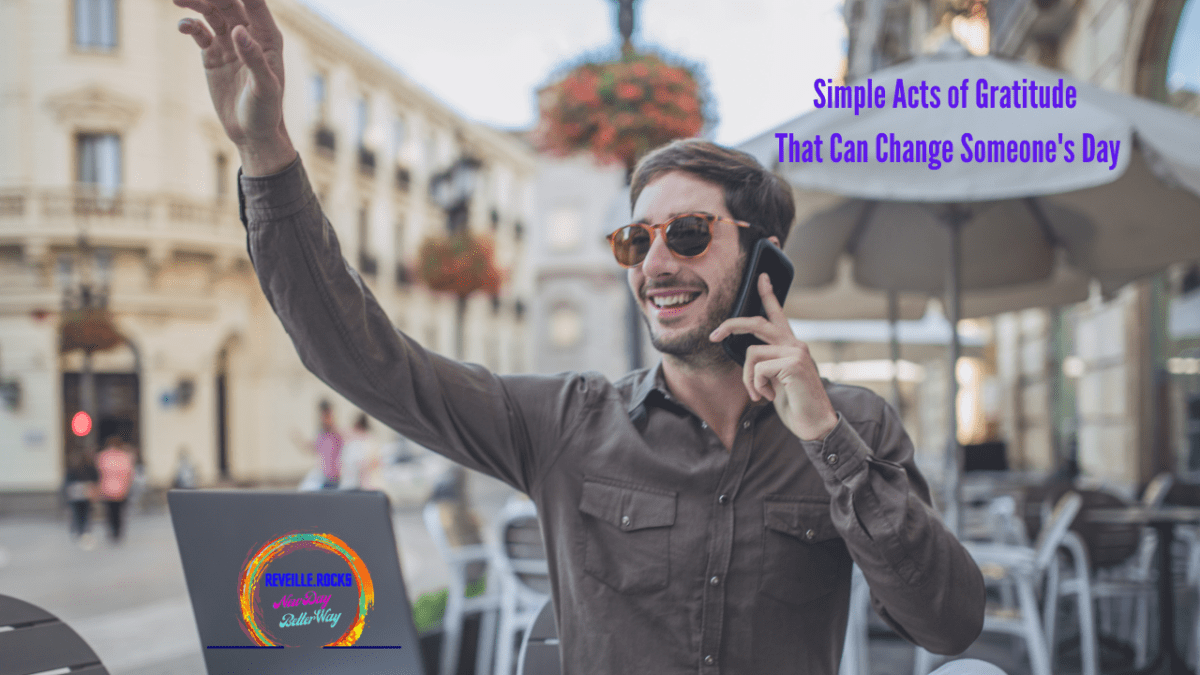
Simple Acts of Gratitude That Can Change Someone’s Day

In the fast pace of our daily work schedules, it’s easy to overlook the small gestures that can make a large impact. Simple acts of gratitude can brighten someone’s day and create a ripple effect of positivity. A heartfelt thank-you note, for instance, can express appreciation and make the recipient feel valued. Complimenting someone on their hard work or kind nature can boost their confidence and mood. Even something as small as a genuine smile or a warm greeting can uplift spirits and foster a sense of connection.

Taking a moment to acknowledge the efforts of others benefits and also enriches our own lives. Gratitude fosters empathy, enhances relationships, and creates a more positive environment. By incorporating small acts of gratitude into our daily actions, we contribute to a culture of kindness and compassion. So, take the time to say thank you, offer a compliment, or simply smile. These simple gestures genuinely change someone’s day.

Gratitude Travel: Exploring the World with an Appreciative Eye

Traveling the world creates a mosaic of vibrant cultures, breathtaking landscapes, and unforgettable experiences. However, the essence of travel extends beyond mere exploration; it’s about cultivating a spirit of gratitude. Gratitude Travel encourages us to immerse ourselves in our journeys with a deep appreciation for the places we visit and the people we meet.

Embracing gratitude while traveling can transform ordinary trips into enriching life lessons. It involves acknowledging the privilege of travel and recognizing the kindness of locals who make destinations come alive. This mindfulness enhances our experiences, deepens connections with others, and fosters a greater understanding of our world.

So, as you pack your bags for your next adventure, carry along an appreciative eye. Let gratitude guide you, turning each moment into a cherished memory and every destination into a heartfelt encounter.

The Role of Gratitude in Conflict Resolution

In conflict resolution, gratitude plays a pivotal yet often underestimated role. At its core, gratitude fosters empathy, a crucial component for understanding opposing viewpoints and emotions. When individuals in conflict consciously practice gratitude, they shift focus from their grievances to the positive aspects of their relationship, promoting a sense of shared goodwill.

Moreover, expressing gratitude can act as a bridge to mend communication gaps. By acknowledging the efforts and good qualities of the other party, even during disputes, the atmosphere softens, paving the way for more constructive dialogue. It eases tensions and enhances mutual respect, making it easier to find common ground.

Incorporating gratitude into conflict resolution strategies resolves differences more effectively and strengthens relationships for future interactions. It’s a simple practice with profound impacts, turning confrontations into opportunities for growth and understanding.

How to Express Gratitude in a Digital Age

In today’s digital age, expressing gratitude can be instantaneous and impactful. A simple yet thoughtful way to show appreciation is through personalized emails beyond generic thanks. Tailor your message to highlight specific actions or qualities you are grateful for, making the recipient feel genuinely acknowledged.

Social media platforms also offer a public venue to express thanks, adding a layer of acknowledgment that can amplify positive vibes. A shoutout on Instagram or a thoughtful post on Facebook tagging the person you’re grateful to can make their day and inspire others to spread kindness.

Lastly, digital gift cards or e-vouchers are excellent tokens of appreciation that can be sent instantly across distances. They allow recipients to treat themselves conveniently, making your gratitude practical and delightful. In this fast-paced era, these small gestures of thanks can strengthen connections and brighten days, embodying the timeless spirit of gratitude in modern, digital forms.

Integrating Gratitude into Your Morning Routine

If you begin your day with a mindset of gratitude, it can impact your overall well-being and perspective. Integrating gratitude into your morning routine is a simple and easy way to foster positive contentment. 

Set aside a few moments each morning to reflect on what you are grateful for. It could be anything from appreciating a warm shower, a fresh cup of coffee, or the comfort of your home.

Consider keeping a gratitude journal where you can jot down two or three things you are thankful for each morning. The journaling will help you cultivate a routine of recognizing and appreciating the good around you.

Incorporating gratitude into your morning sets a tone of thankfulness that can carry through the day, enhancing your interactions and overall outlook. Try it and see if you can spot the subtle yet significant shifts in your daily life.

Gratitude and Forgiveness: Healing Old Wounds

Gratitude and forgiveness are two of the most powerful tools for healing old wounds. Holding onto past grievances can often feel like carrying an invisible burden that subtly influences our decisions, relationships, and self-esteem. By embracing gratitude, we stop looking at what we don’t have and turn to the abundance surrounding us.

Doing this Provides a nurturing sense of peace and contentment. Forgiveness is then followed as a liberating force. You are not encouraging hurtful behaviors but instead releasing the grip of resentment that binds us to them. This process opens up a space for healing, allowing us to move forward with lighter hearts and clearer minds.

By cultivating these practices, we can mend the fractures of the past and pave the way for a more compassionate future.

The Environmental Benefits of Living Gratefully

Living gratefully enhances our mental well-being and promotes significant environmental benefits. When we appreciate what we have, we are less likely to succumb to the consumption-driven culture and waste that leads to environmental degradation. A grateful mindset encourages us to use resources wisely, reducing our ecological footprint.

Gratitude fosters a deep connection with the environment by making us aware of nature’s gifts and our responsibility to protect them. This awareness leads to more sustainable choices, such as recycling, Gratitude and Forgiveness, Healing Old Wounds, conserving water, and reducing energy consumption. Moreover, grateful living often involves buying less and choosing items with less packaging or more durable, significantly reducing waste.

By embracing a lifestyle of gratitude, we contribute to a healthier planet. It’s a simple yet profound way to live that enriches our lives and ensures a better world for future generations.

Grateful Leadership: Inspiring Your Team with Thankfulness

Grateful leadership is a transformative approach centered on appreciation and recognition to motivate and inspire team members. At its core, this leadership style involves consistently acknowledging each team member’s hard work and contributions to a positive workplace where everyone feels valued.

When leaders express genuine thankfulness, it boosts morale and enhances engagement and loyalty. This approach encourages a mutual respect and collaboration culture, where feedback and achievements are celebrated.

Implementing grateful leadership can be as simple as starting meetings with shout-outs for recent successes or sending personalized thank-you notes for exceptional efforts. These actions show high- -performance levels and take ownership of their roles. Ultimately, leading with gratitude enriches workplace relationships and drives the team toward greater success.