
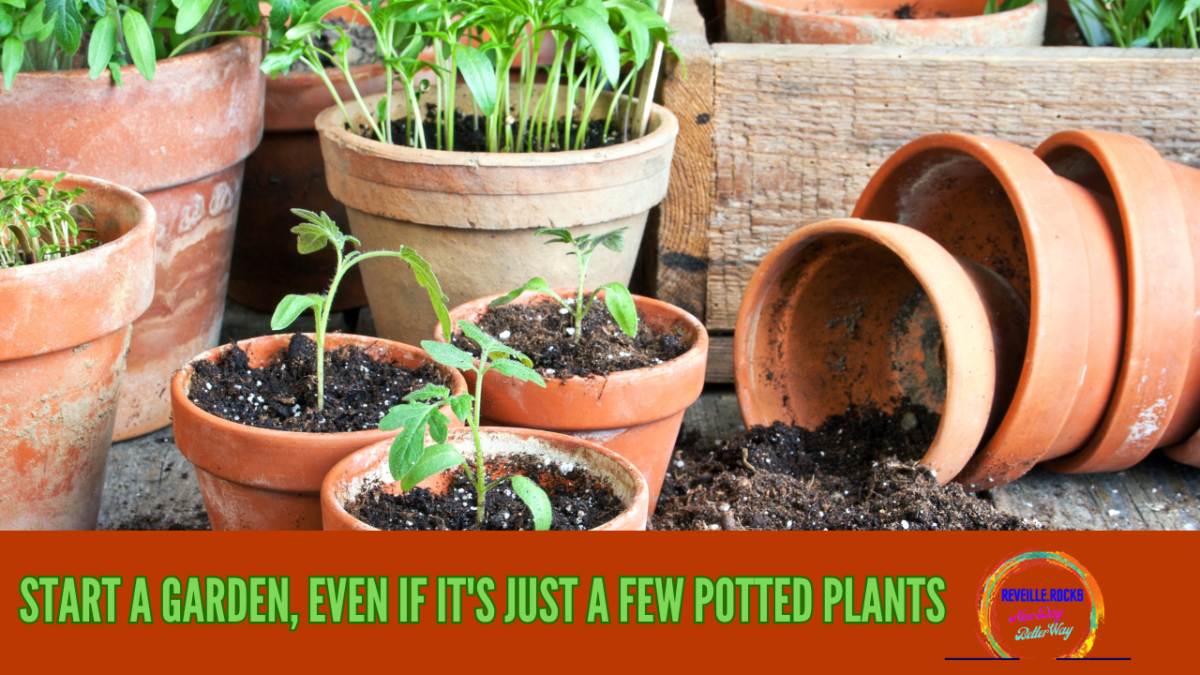
A Garden Can Bring Immense Joy and Benefits

Even with just a few potted plants, starting a garden can bring immense joy and numerous benefits. Gardening is therapeutic and allows you to commune with nature, reduce stress, and boost your overall well-being. Even with limited space, a balcony or windowsill can host a variety of plants, from vibrant flowers to fresh herbs and vegetables.

Potted plants are a great way to begin gardening without requiring a large outdoor area. They are easy to manage, and you can tailor your plant choices to suit your environment and preferences. Additionally, growing your herbs or vegetables can provide fresh, organic produce at your fingertips, promoting a healthier lifestyle.

Embracing a small garden can be a source of great pride and satisfaction. Watching your plants thrive under your care is rewarding and a testament to your nurturing skills. This sense of accomplishment can inspire you to expand your gardening efforts over time, turning your small garden into a flourishing oasis. So, why not start today? Happy gardening!


Have a cooking or baking day and everyone helps prepare a meal

Gathering the family for a cooking or baking day can be a delightful way to create lasting memories. It’s a unique opportunity for everyone to contribute and share their culinary skills, whether seasoned chefs or beginners. Start by planning a menu that includes dishes appealing to all tastes. Assign specific tasks based on skill levels, ensuring everyone feels involved and valued.

As the kitchen fills with the aroma of delicious food and laughter, it’s not just about the meal, it’s about the bonds we strengthen. Encourage creativity and experimentation, Allowing everyone to add their personal touch to the meal. Once everything is prepared, sit down together to enjoy the feast, and the company.

This collective effort results in a delicious meal and helps foster a sense of accomplishment and togetherness. Hosting a cooking or baking day transforms meal preparation into a fun, collaborative, and enriching experience.

Set up a DIY craft station with supplies for various projects

Creating a DIY craft station at home can be both exciting and rewarding. Select a dedicated space, such as a corner of a room or a small table. Ensure it’s lit well and away from a lot of foot traffic. Stock your station with essential supplies like scissors, glue, markers, and a variety of paper. Be sure to keep the projects age-appropriate for the junior artists. Maybe consider adding storage bins or drawers to keep everything organized and easily accessible.

Include materials for different projects for versatility. Have some fabric scraps for sewing, beads for jewelry making, and paints for artwork. A pegboard on the wall can hold tools and small items, and a corkboard can display inspiration. Label containers to make finding supplies effortless and keep the area tidy.

A well-organized craft station encourages creativity and makes it simple to start new projects. Whether it’s a family activity or a solo endeavor, having a dedicated space with all the necessary supplies will inspire endless artistic possibilities.

Plan A Weekly Movie Night With Popcorn And Snacks

Planning a weekly movie night with popcorn and snacks is a great way to bond with family and friends. It allows everyone to unwind from the week’s hustle. Start by selecting a consistent day and time that works for everyone, creating a routine everyone can expect. Choose a theme for each movie night, like classic films, comedies, or a specific director’s work. Keep things exciting and diverse.

Stock up on essential movie snacks. Popcorn is a must, and you can get creative with flavors like caramel, cheese, or even a spicy kick. Complement it with various snacks like nachos, candy, fruit platters, and beverages. Setting up a cozy viewing area with blankets, pillows, and dim lighting can enhance the experience.

Be sure to involve everyone in the process. Let each person have a turn picking the movie, ensuring everyone’s tastes are catered to. With some planning, your weekly movie night can become a cherished tradition.

Gratitude and Self-Improvement: The Role of Thankfulness in Personal Growth

Gratitude is a catalyst for growth and self-improvement. Embracing thankfulness can transform perspectives, fostering a positive mindset that paves the way for self-betterment. When we appreciate our achievements, no matter how small, we build a foundation of confidence and motivation. This positive reinforcement encourages us to set and pursue new goals with renewed vigor.

Moreover, gratitude shifts our focus to the good things we have around and within us. It promotes contentment and reduces feelings of inadequacy. This shift enhances mental well-being and cultivates resilience, enabling us to navigate challenges more effectively. Acknowledging and valuing our experiences creates a fertile ground for learning and growth.

In essence, gratitude is more than just a fleeting feeling; it is a practice that enriches our lives, strengthens our resolve, and propels us toward continuous self-improvement. Embrace thankfulness, and watch your personal growth flourish.

Gratitude and the Morning: Waking Up with Thankfulness

Gratitude is a powerful practice that often transforms our mornings and sets a positive tone for the rest of the day. Waking up with thankfulness involves taking a few moments to appreciate the simple blessings in life, such as a comfortable bed, the warmth of the sun, and supporting loved ones. This mindful practice can keep your focus on what you have and not what you lack, fostering a sense of contentment and joy.

Starting the day with gratitude often improves mental health, increases resilience, and enhances overall well-being. It encourages a positive mindset, helping you approach challenges with a sense of calm and optimism. By consciously acknowledging the good things in your life each morning, you train your brain to recognize and appreciate positivity throughout the day.

Incorporating gratitude into your morning routine is simple. You can jot down three things you’re thankful for in a journal, express appreciation to someone, or simply reflect quietly. By making gratitude a morning habit, you set yourself up for a day filled with positivity and purpose.

Gratitude and Mindfulness: A Synergistic Relationship

Gratitude and mindfulness are powerful practices that, when combined, create a synergistic relationship that enhances our appreciation for ordinary moments in life. Gratitude occurs when we recognize and appreciate the good in our lives, while mindfulness focuses on being present and fully engaged in the current moment. Together, they form a potent duo that can transform our perception of everyday experiences.

By practicing mindfulness, we become more attuned to the subtle details of our surroundings, making it easier to notice and appreciate the small blessings that often go overlooked. Mindfulness heightens awareness and fosters a sense of gratitude as we learn to value the simple joys in life. The joys are usually simple, like a warm cup of tea or a beautiful sunset. In turn, cultivating gratitude reinforces our mindfulness practice, helping us to remain present and grounded. Ultimately, the interplay between appreciation and mindfulness allows us to find joy and contentment in the ordinary.

Gratitude and Change: Embracing Life’s Transitions

Gratitude and change are intertwined forces that shape our lives. Embracing life’s transitions with a grateful heart allows us to navigate experiences with grace and resilience. Change, whether anticipated or unexpected, often brings uncertainty. In these moments, gratitude becomes a powerful tool, grounding us in the present and illuminating the positive aspects of our journey.

    Acknowledging the good amidst change fosters a sense of stability. Each transition is an opportunity for growth, and gratitude helps us recognize the lessons and blessings accompanying us, even in the most challenging times and shifts. If we focus on what we have, we cultivate a mindset of abundance, attracting more positivity into our lives.

    In essence, gratitude transforms the way we perceive change. It encourages us to embrace new beginnings with hope and optimism, ultimately enriching our lives and deepening our appreciation for the ever-evolving tapestry of existence.

    Gratitude in Everyday Life: Finding the Extraordinary in the Ordinary

    Gratitude is a powerful tool that transforms the mundane into the extraordinary. We can find joy in the places we often overlook by consciously appreciating the small moments. Consider the joy of a cup of tea in the morning, feeling the sunlight on your face, and enjoying a heartfelt conversation with a friend. These seemingly ordinary experiences hold immense value when we take a moment to acknowledge them.

    Practicing gratitude can shift our perspective, making us more aware of the abundance surrounding us. It encourages mindfulness, allowing us to live in the present rather than being consumed by worries about the future or regrets from the past. We cultivate a sense of fulfillment and happiness by consistently recognizing and celebrating the positives in our daily lives.

    In essence, gratitude is about finding the extraordinary in the ordinary. It’s a simple yet profound practice that cultivates joy and fosters a deeper connection with the world around us.

    Gratitude and Parenting: Raising Thankful Children

    Gratitude is an essential value that can significantly shape a child’s character and outlook. As parents, fostering gratitude in children is a rewarding endeavor that involves leading by example and creating an environment where thankfulness is a daily practice. 

    Start by modeling gratitude in your actions and words—express appreciation for grand gestures, everyday moments, and simple acts of kindness. Incorporate gratitude into daily routines, such as sharing something you’re thankful for at the dinner table or before bedtime. 

    Encourage children to keep gratitude journals where they can reflect on the positive actions of their day. Celebrating acts of kindness and teaching children to recognize and acknowledge the efforts of others can also reinforce this value.

    Ultimately, raising thankful children involves consistent effort and a nurturing approach. By instilling gratitude early on, parents can help children develop a positive, appreciative mindset that will benefit them throughout their lives.